Sharing Stories
When people tell each other stories, a moment of shared closeness and attentive listening is created. Sharing Stories explores storytelling, drawing and publishing as artistic means of fostering exchange – both between generations and across national borders.
The project comprises three cycles, each taking place in a peripheral region of the South Caucasus and in Switzerland: In the first, the participating artists worked in Toggenburg and in Arasadzikh; in the second, in Tusheti and Val Müstair; and in the third, in Lori and the Jura. On site, a comprehensive exchange was fostered with people from the region: with children and educators, cultural practitioners and craftspeople, as well as locals working in agriculture and ecology. The artistic processes were led by artists from the respective regions.
Sharing Stories III – Stories of Migration
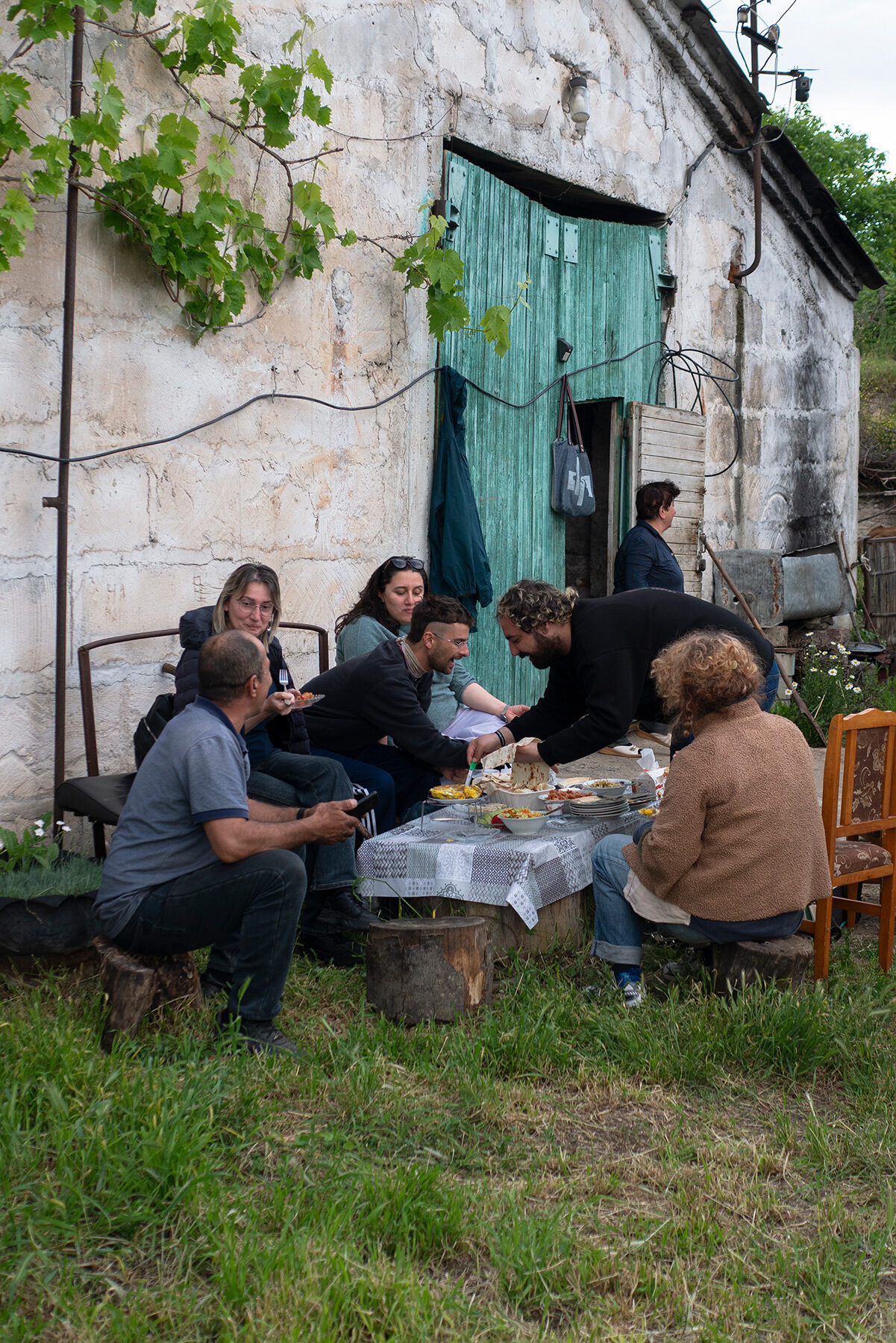
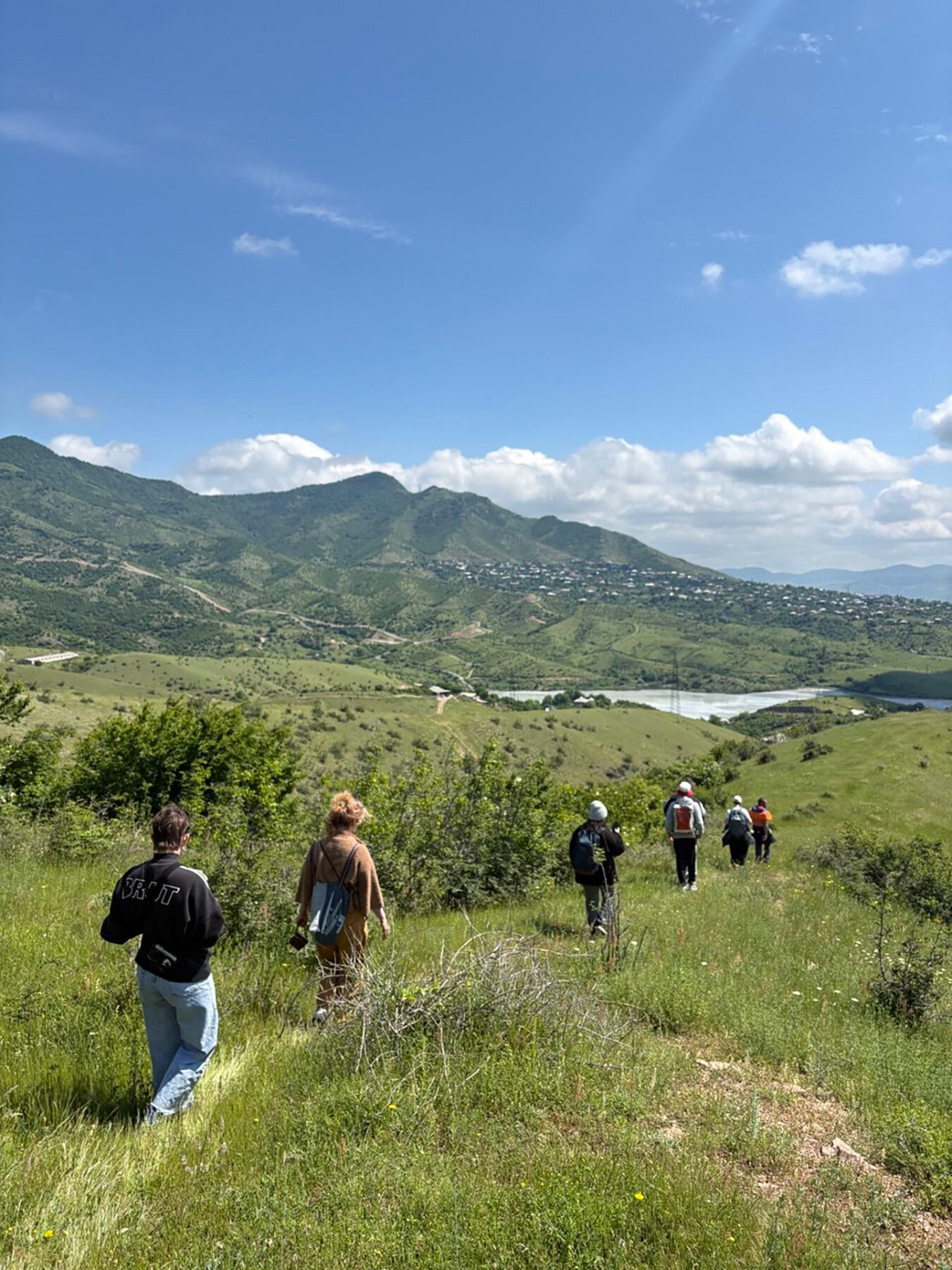
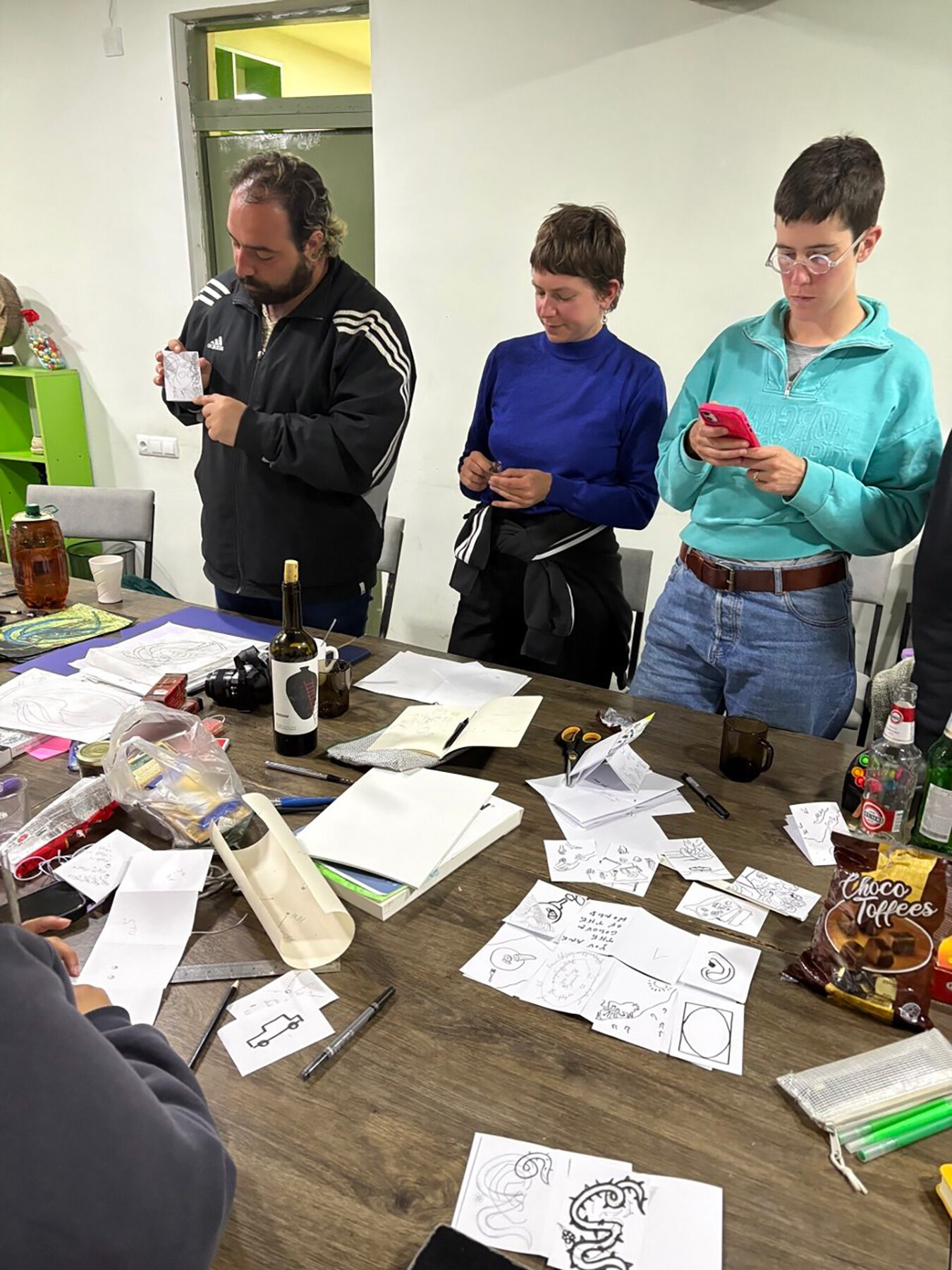
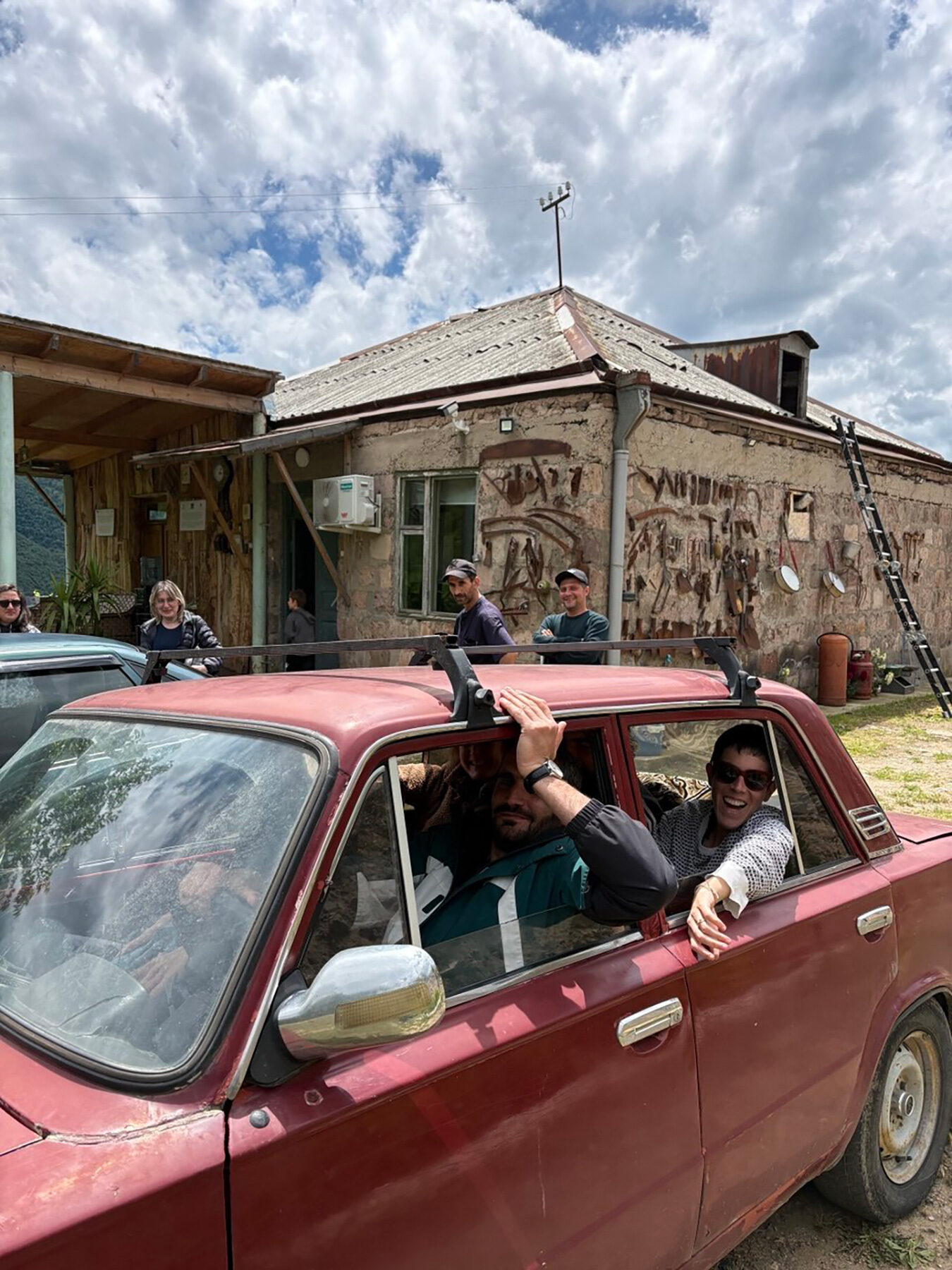
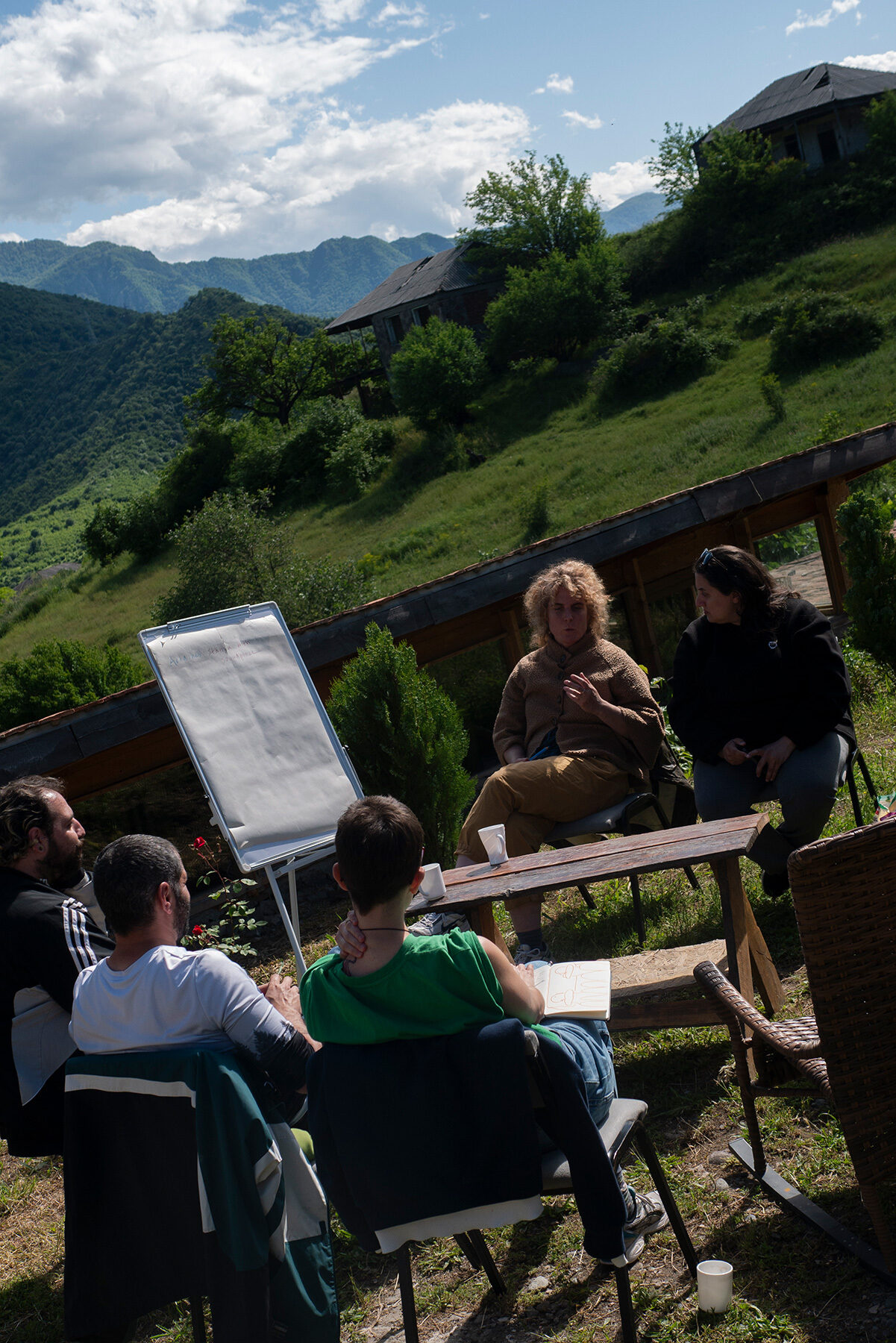
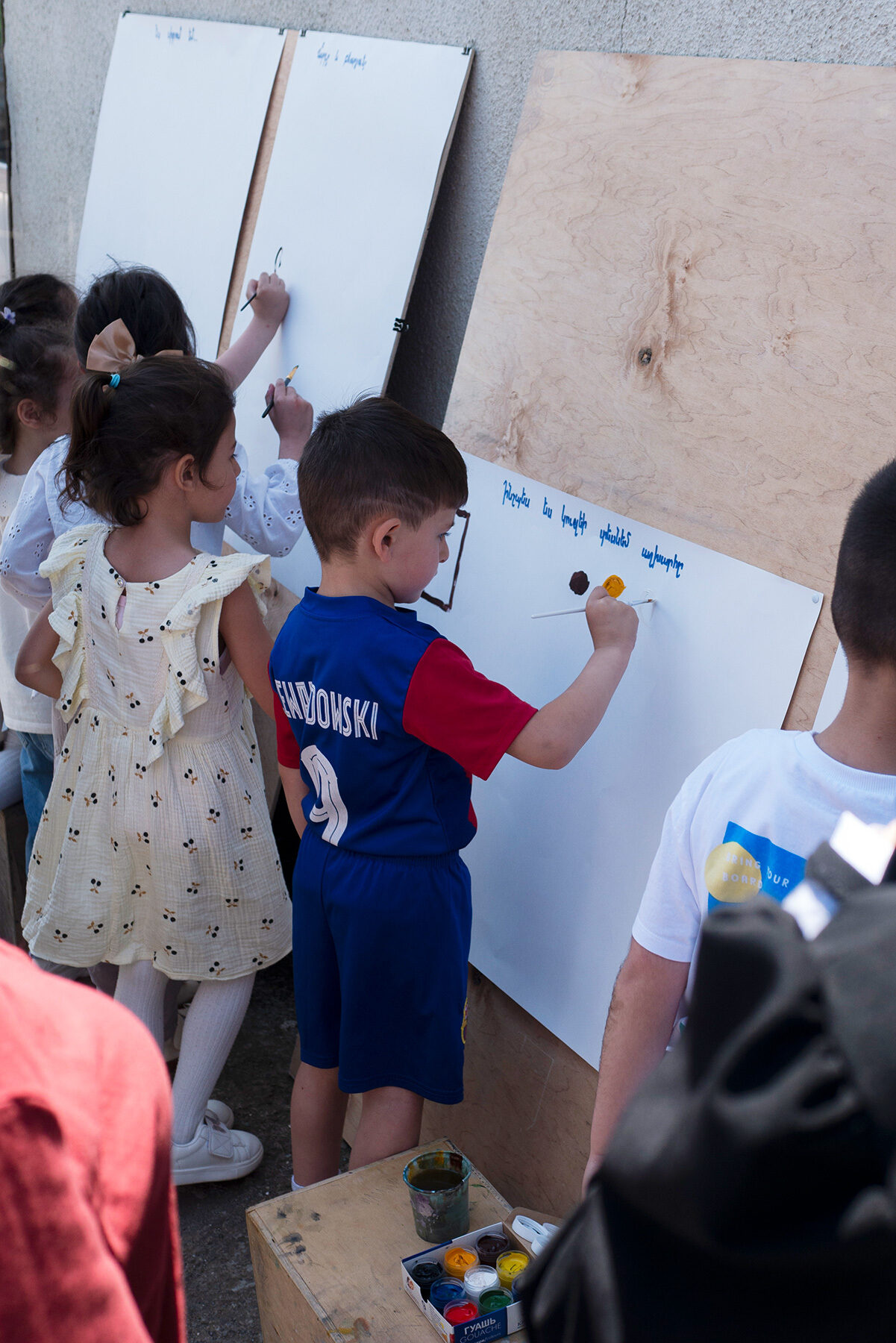
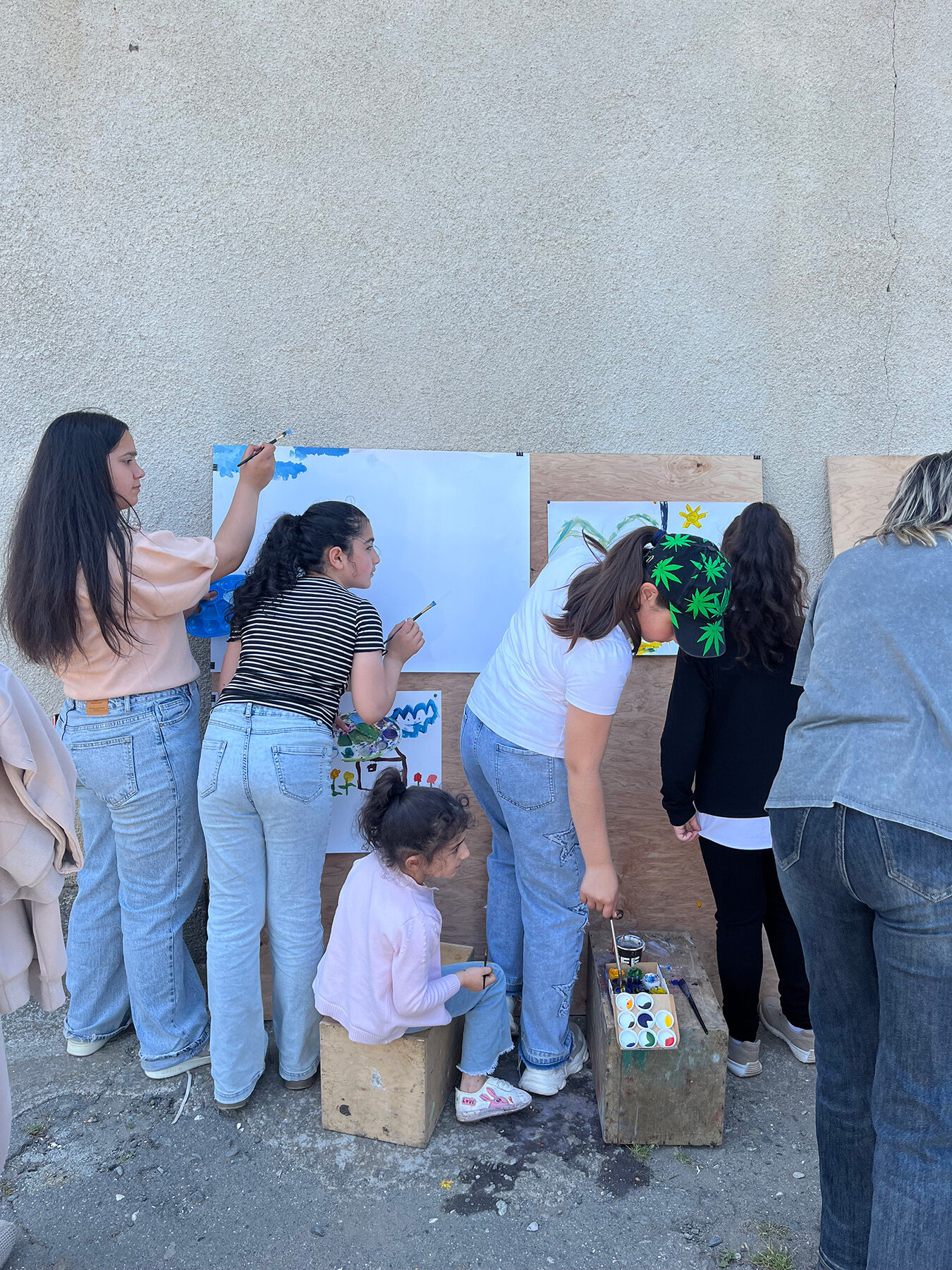
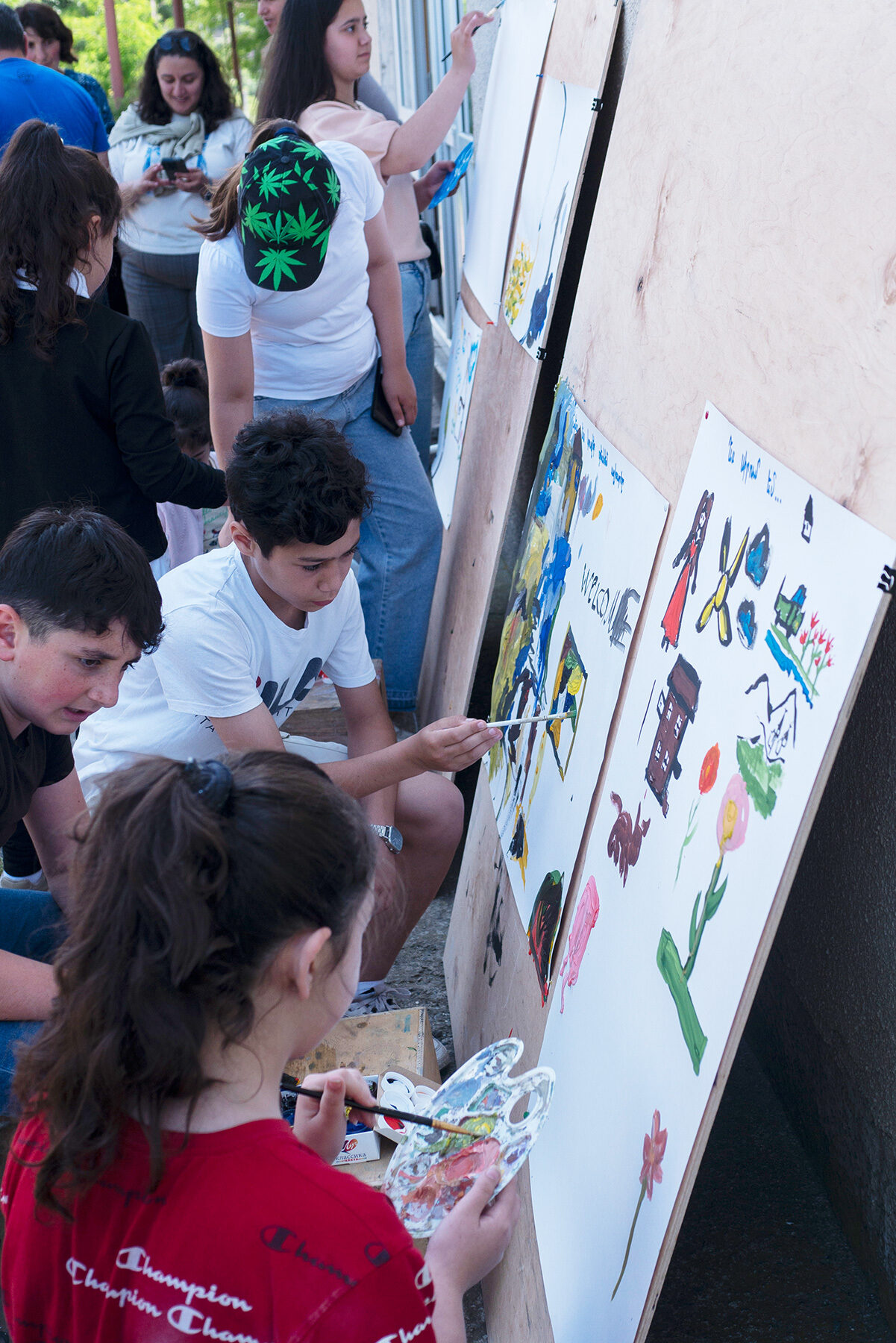
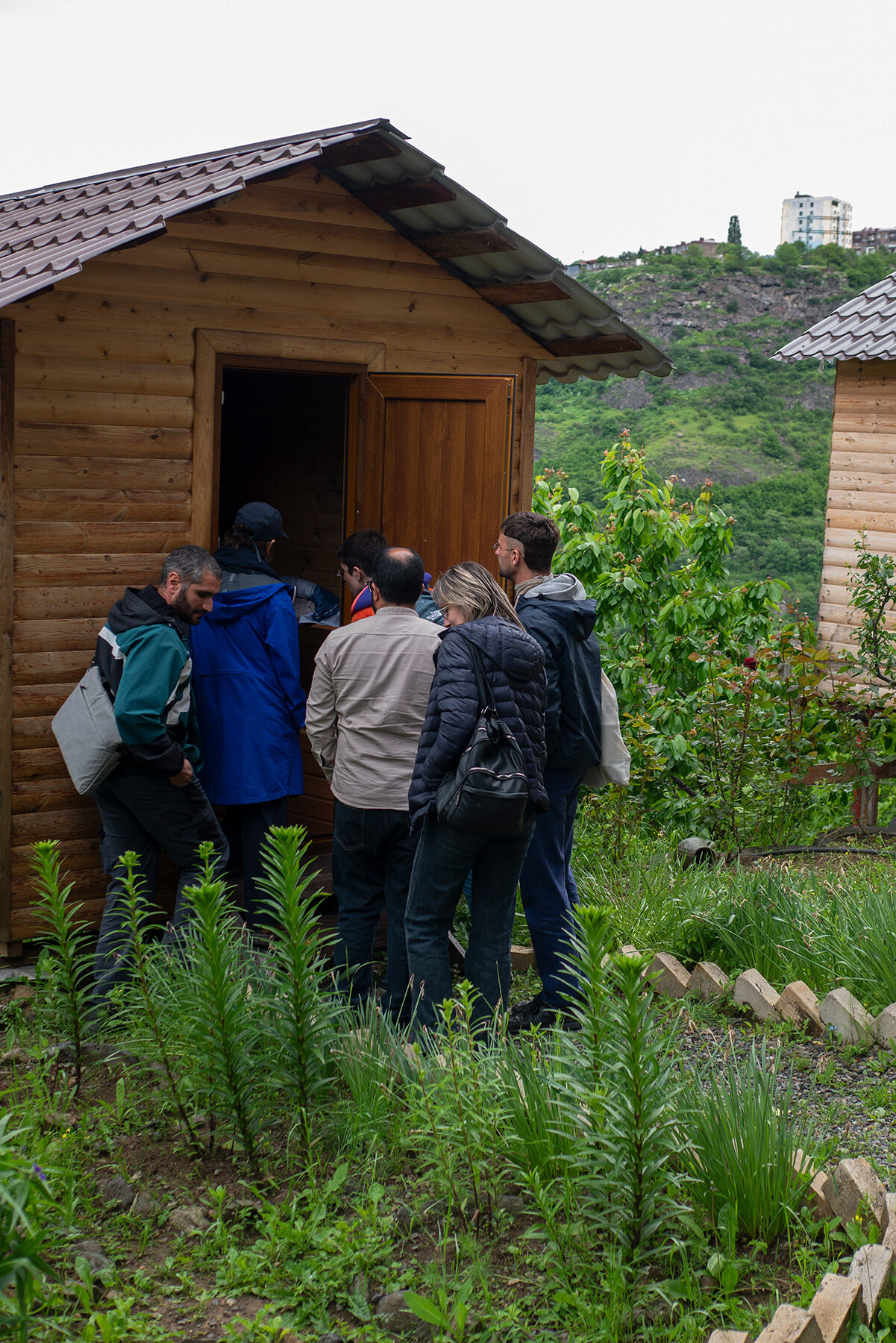
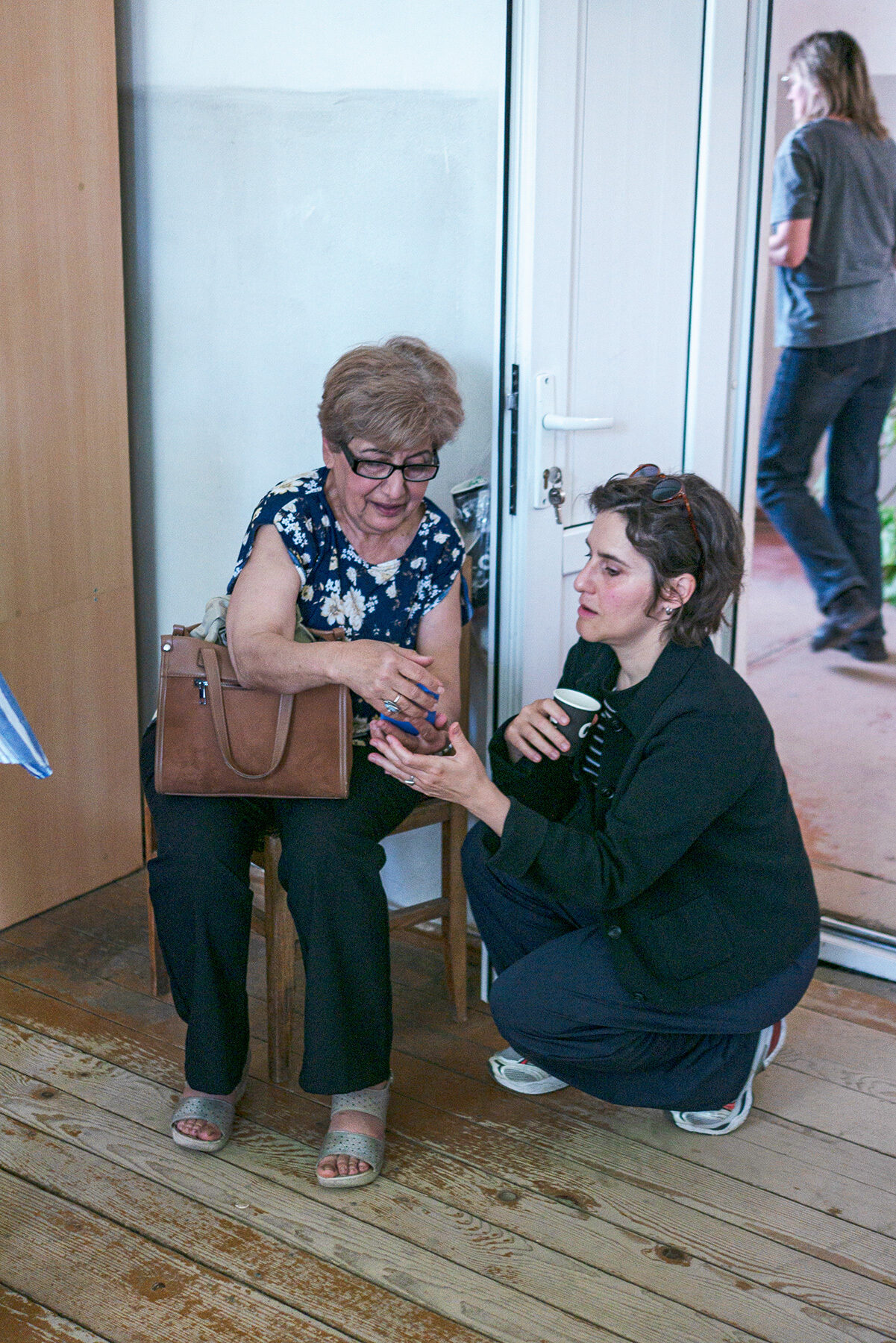
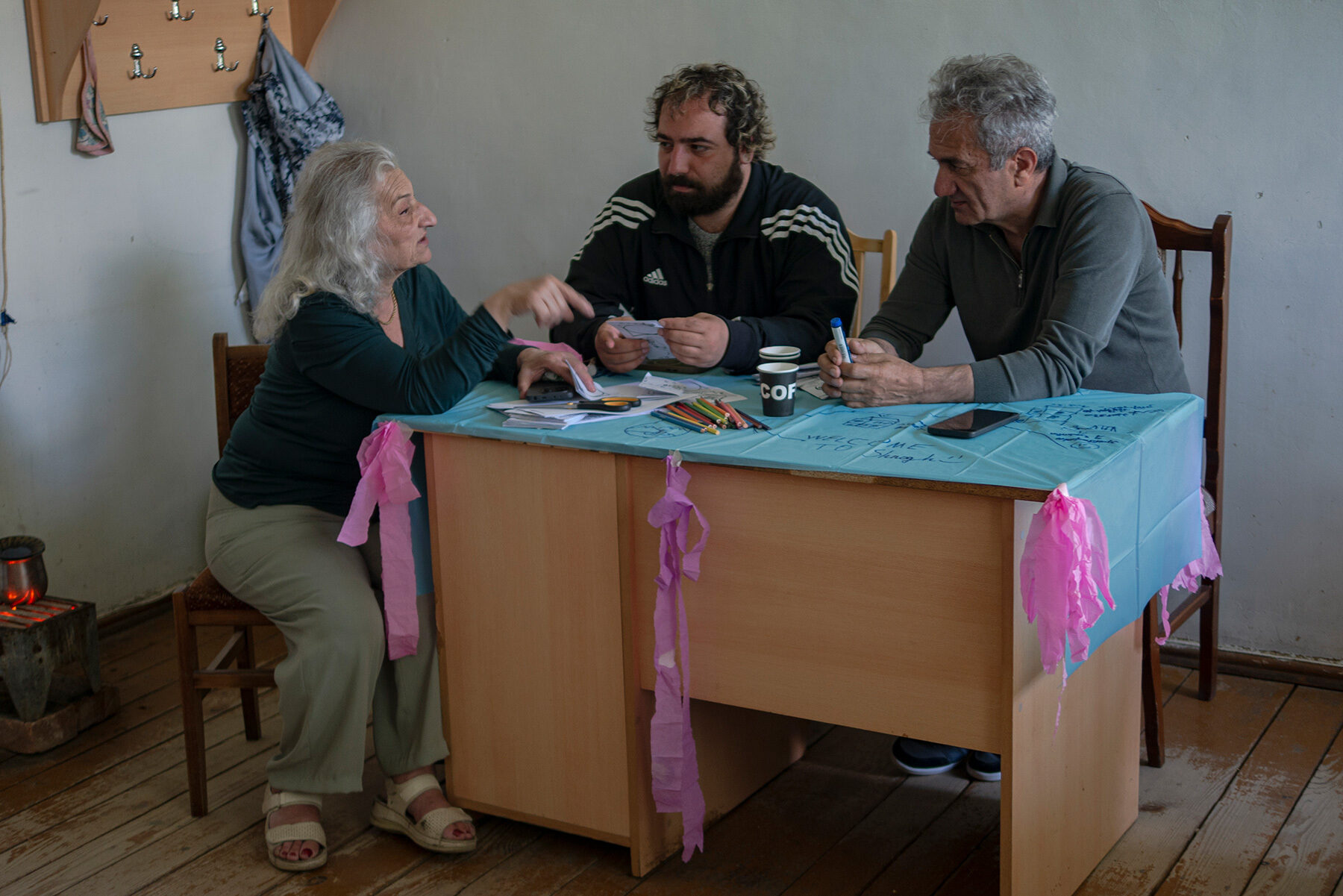
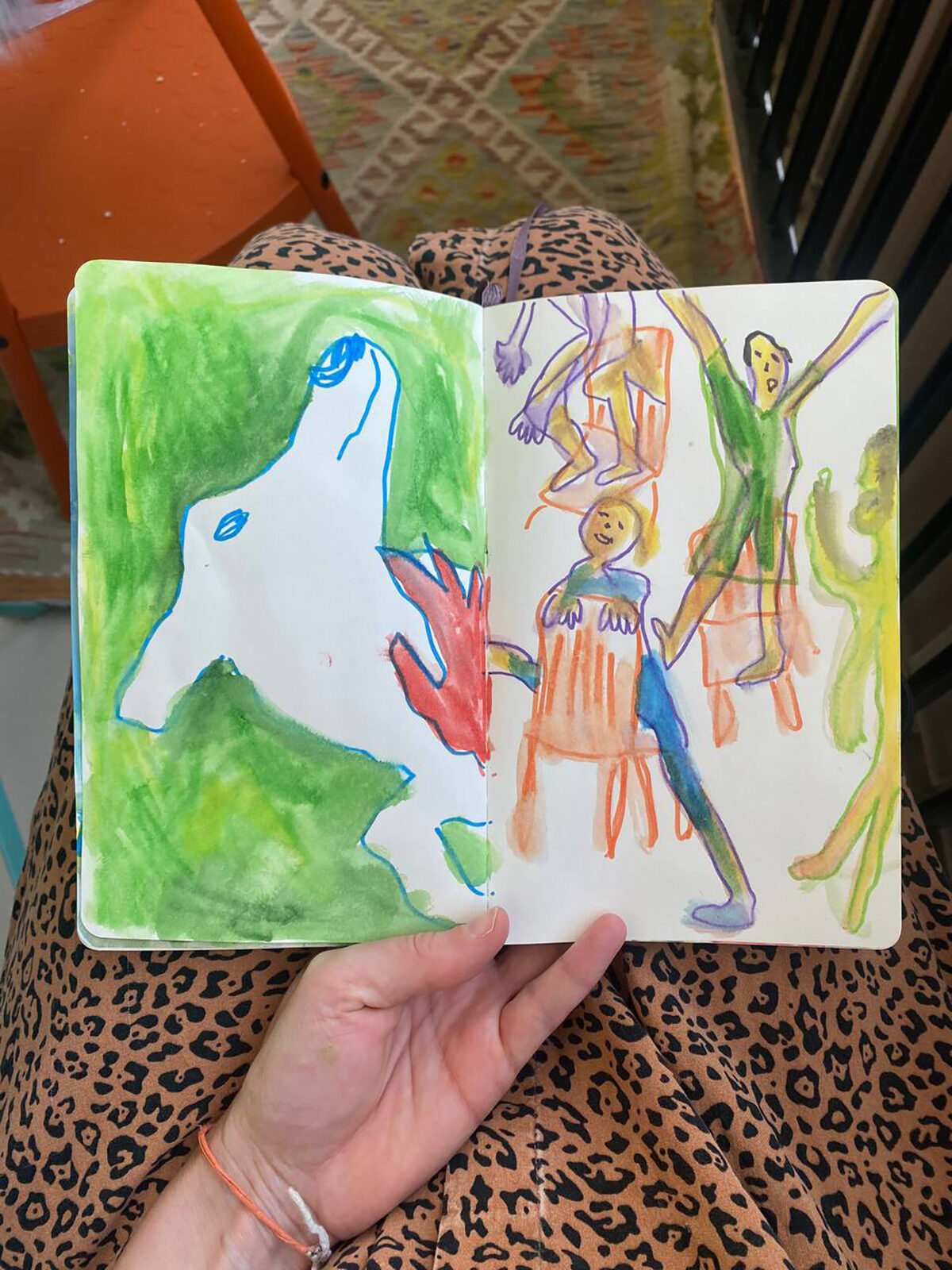
At the end of May and beginning of June 2026, a group of six artists – three from Armenia and three from the French-speaking part of Switzerland – met in the Armenian village of Pokr Ayrum. The region is characterised by its wild and striking natural landscape as well as its long history of mining. The area is shaped by its industrial infrastructure, but also by the environmental challenges that have emerged alongside it.
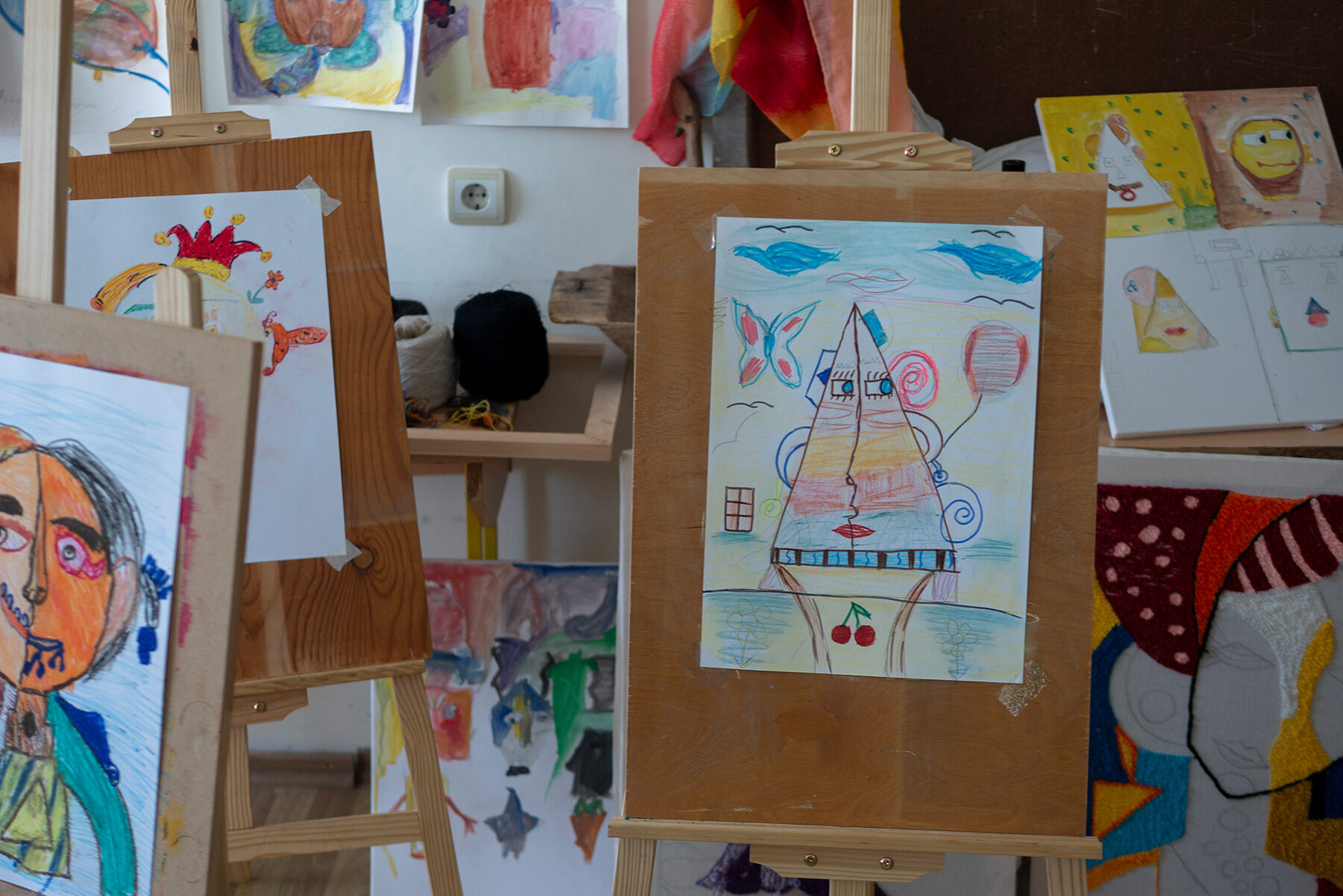
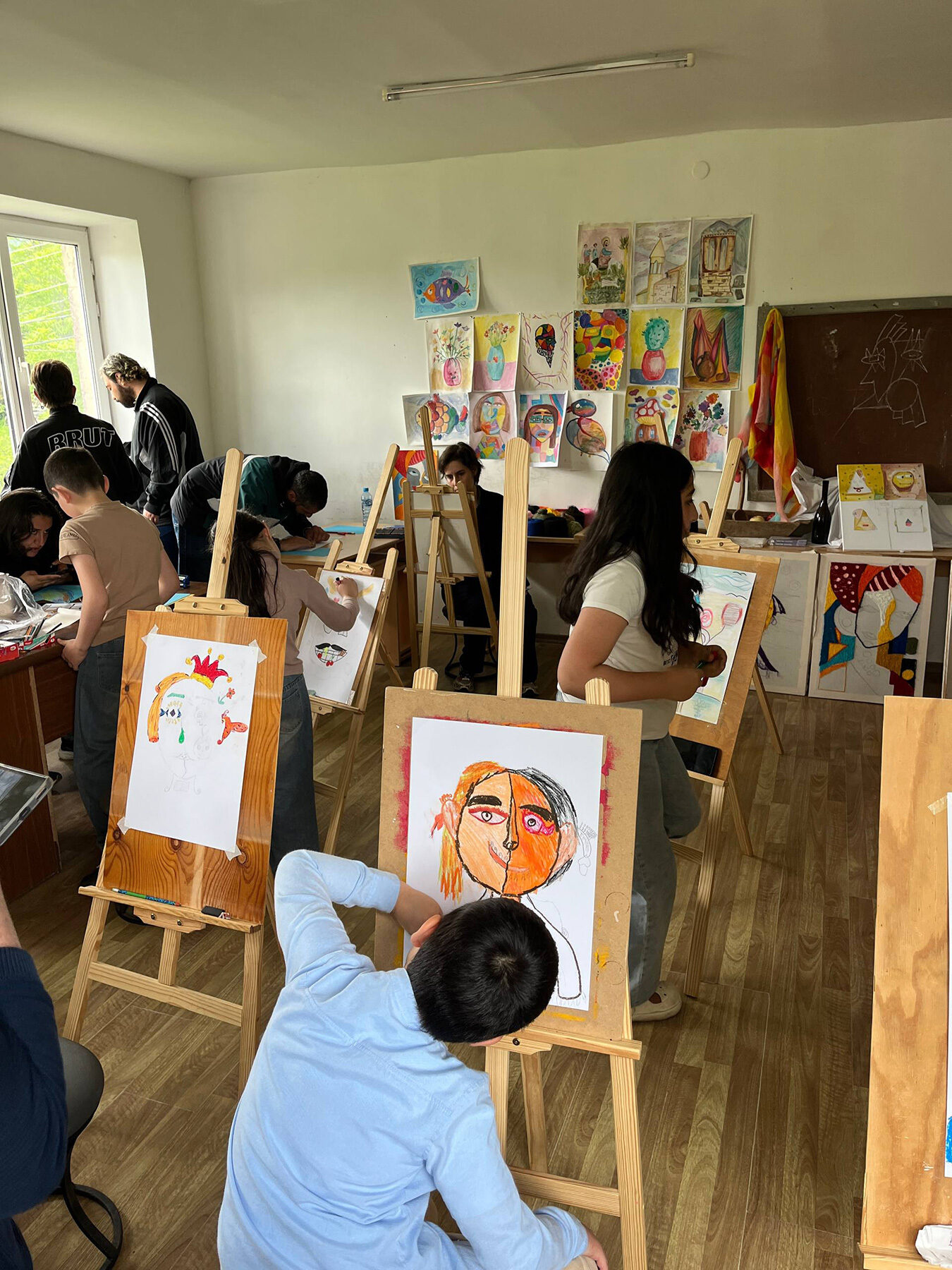
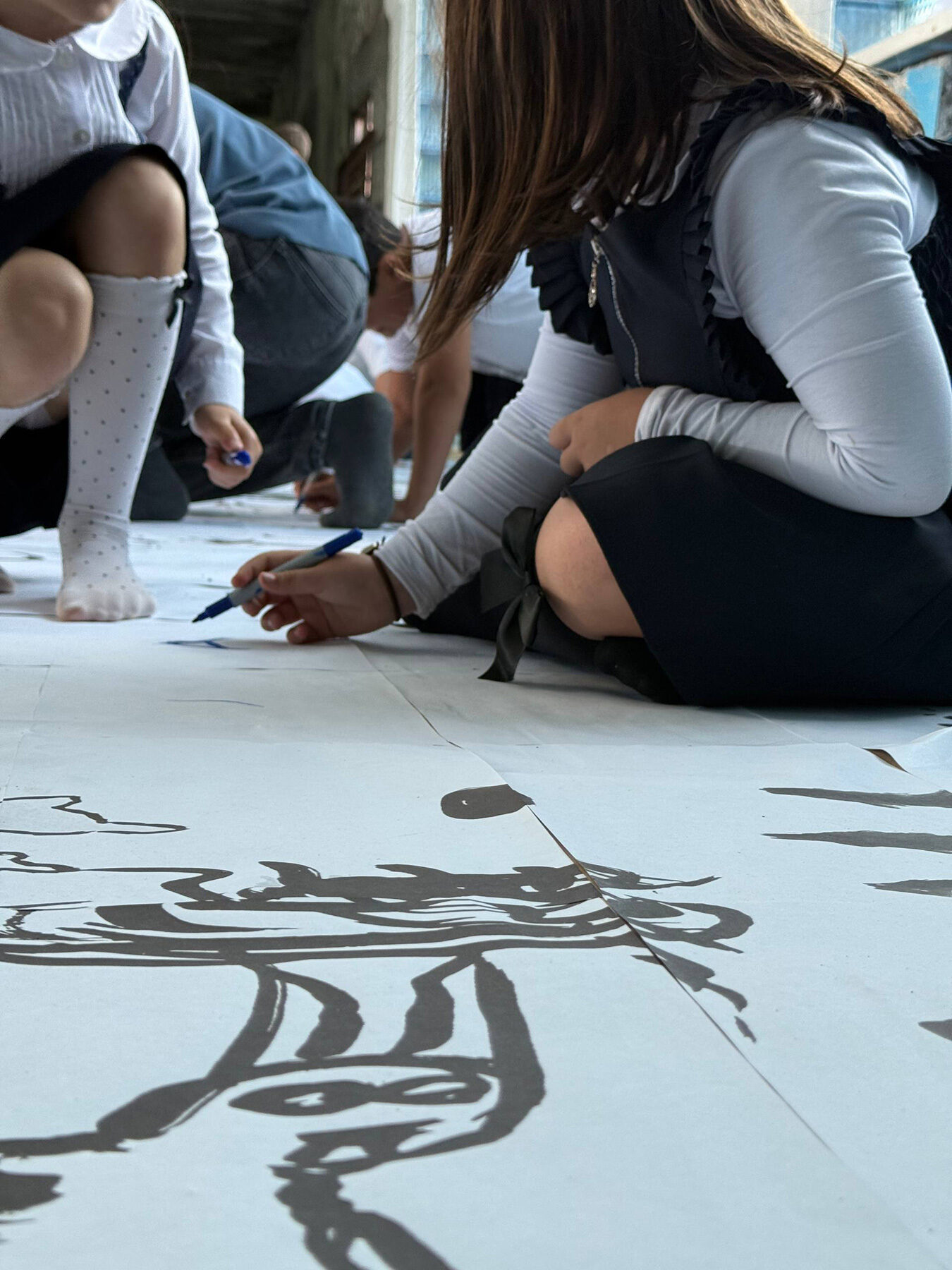
During the third Sharing Stories cycle, the artists expanded the visual storytelling research through activities with the art classes of a local school. In addition to meeting residents and exchanging stories, they also worked with children to paint and visualise their dreams.
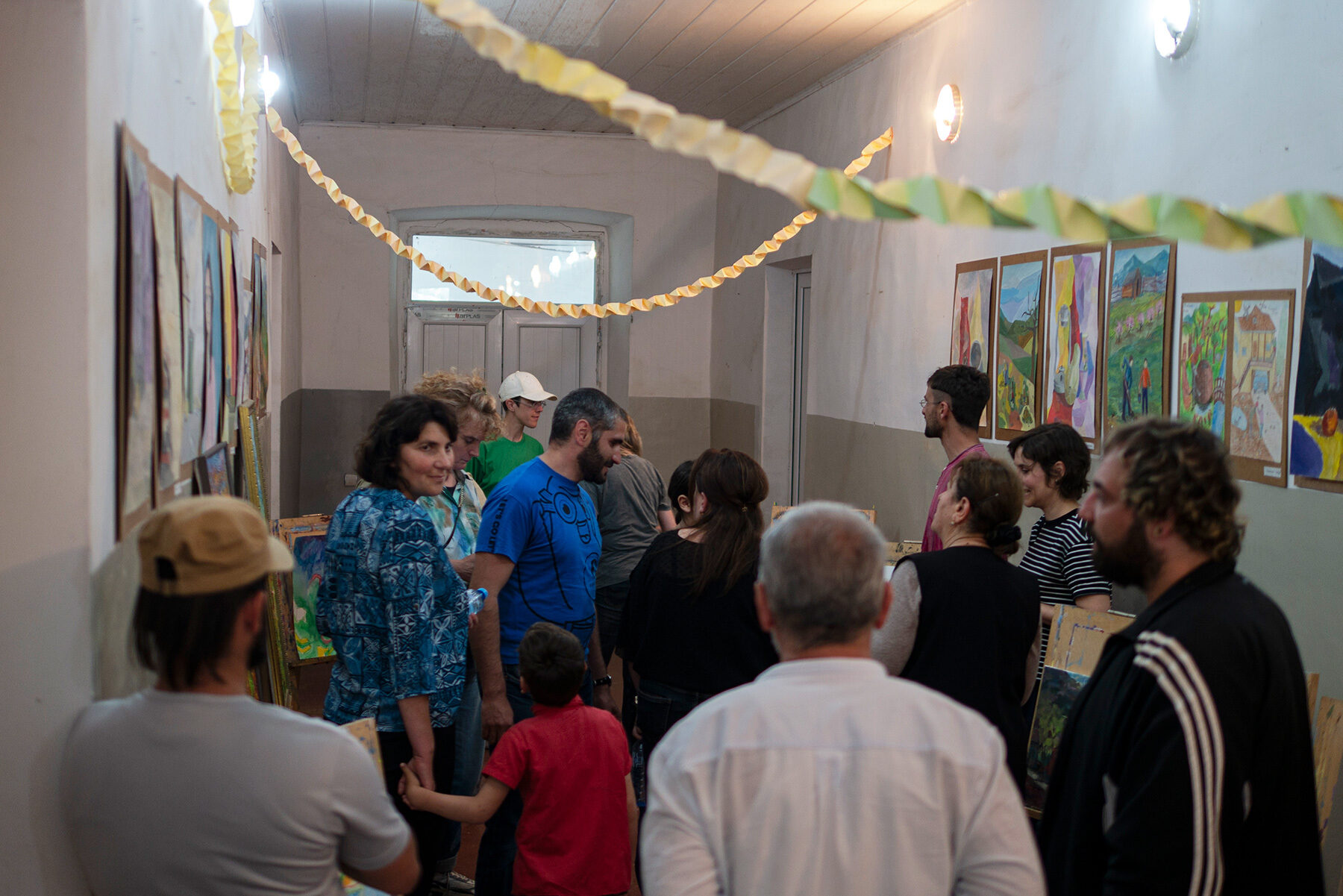
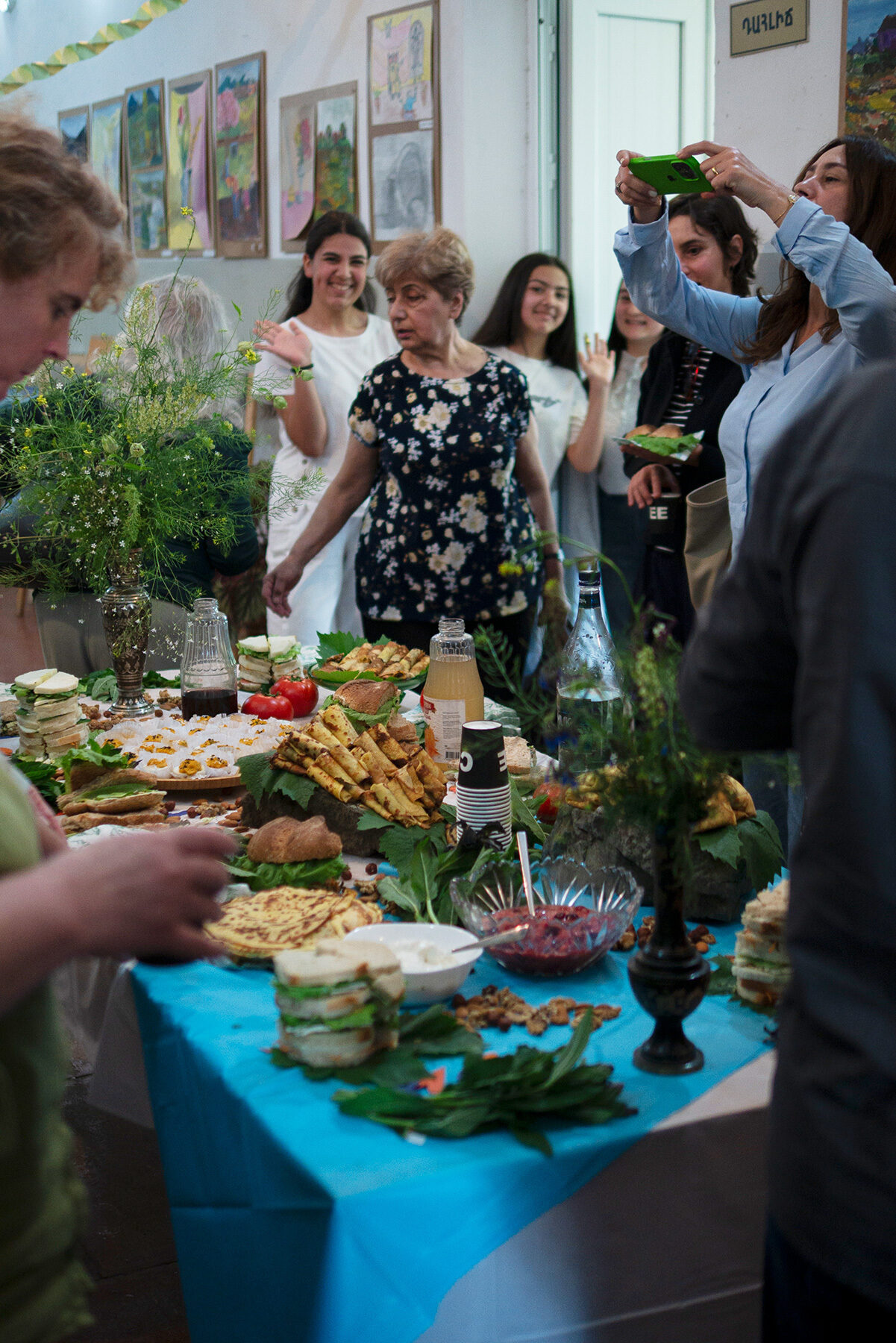
Throughout the project, the artists not only exchanged ideas and personal experiences but also engaged with the local residents involved in community activities. The project cycle concluded with an event organised by the participants at the local art school in Snogh, including food, concerts, and an exhibition showcasing works by the participating artists, local art teachers, and schoolchildren.
The second phase of the third Sharing Stories project cycle will take place in the Swiss Jura region at the end of October 2026.
Place and Year
Alaverdi and surrounding area (Lori region), 2026
Participants
Artashes Movsisyan
Gayane Muradyan
Gevorg Aslanyan
Max Léo Hauri
Jeanne Tullen
Anne-Laure Franchette
Flavia Bienz
Project Management
Mara Züst (artasfoundation)
Shoghakat Mlke Galstyan (artasfoundation)
Partner Organisations
Centre for Community Mobilization and Support
Odzun Arts School
Shnogh Art School
Green Camp social enterprise
Financial Contribution
Ernst Göhner Foundation
Sharing Stories II – Narratives in Motion
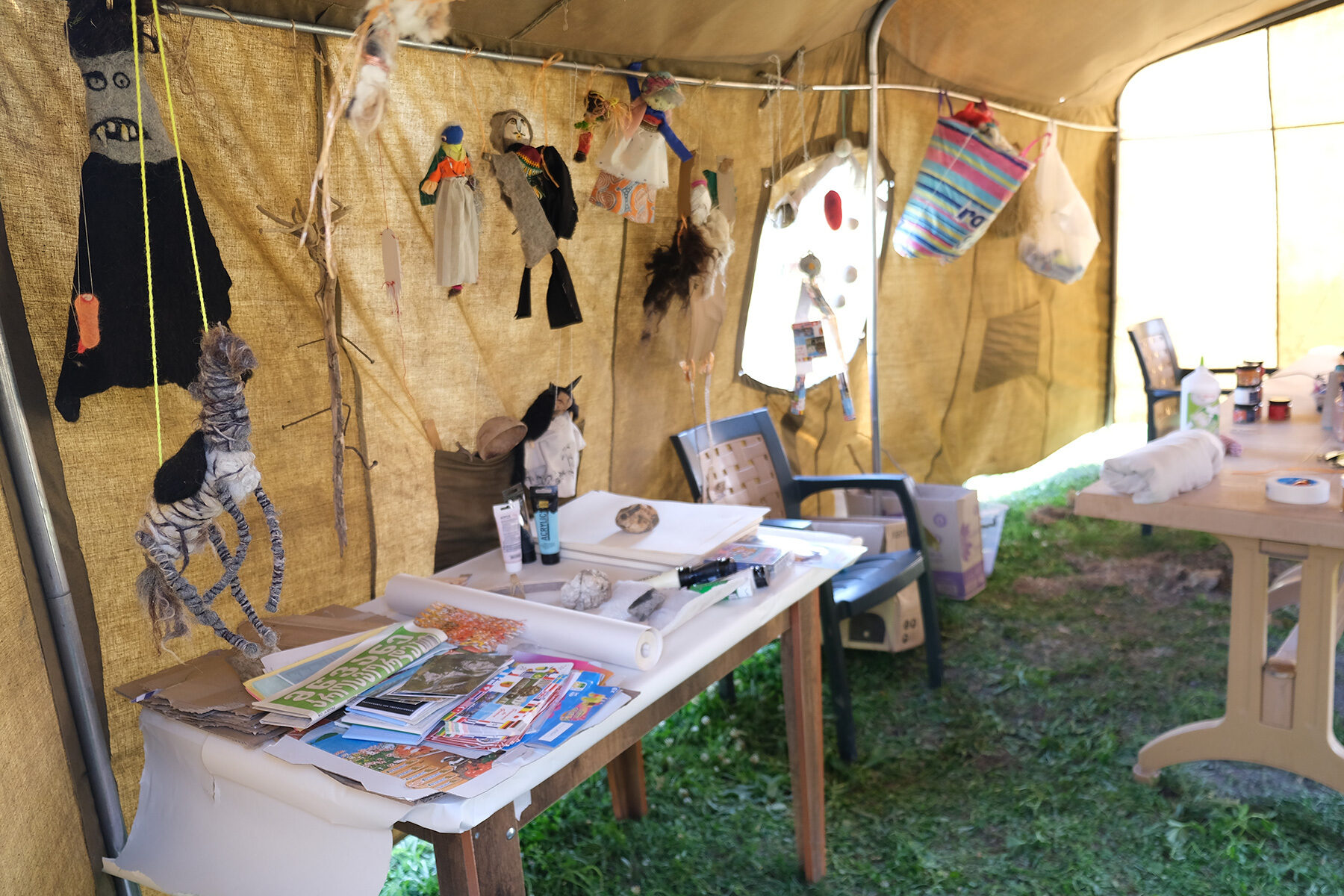
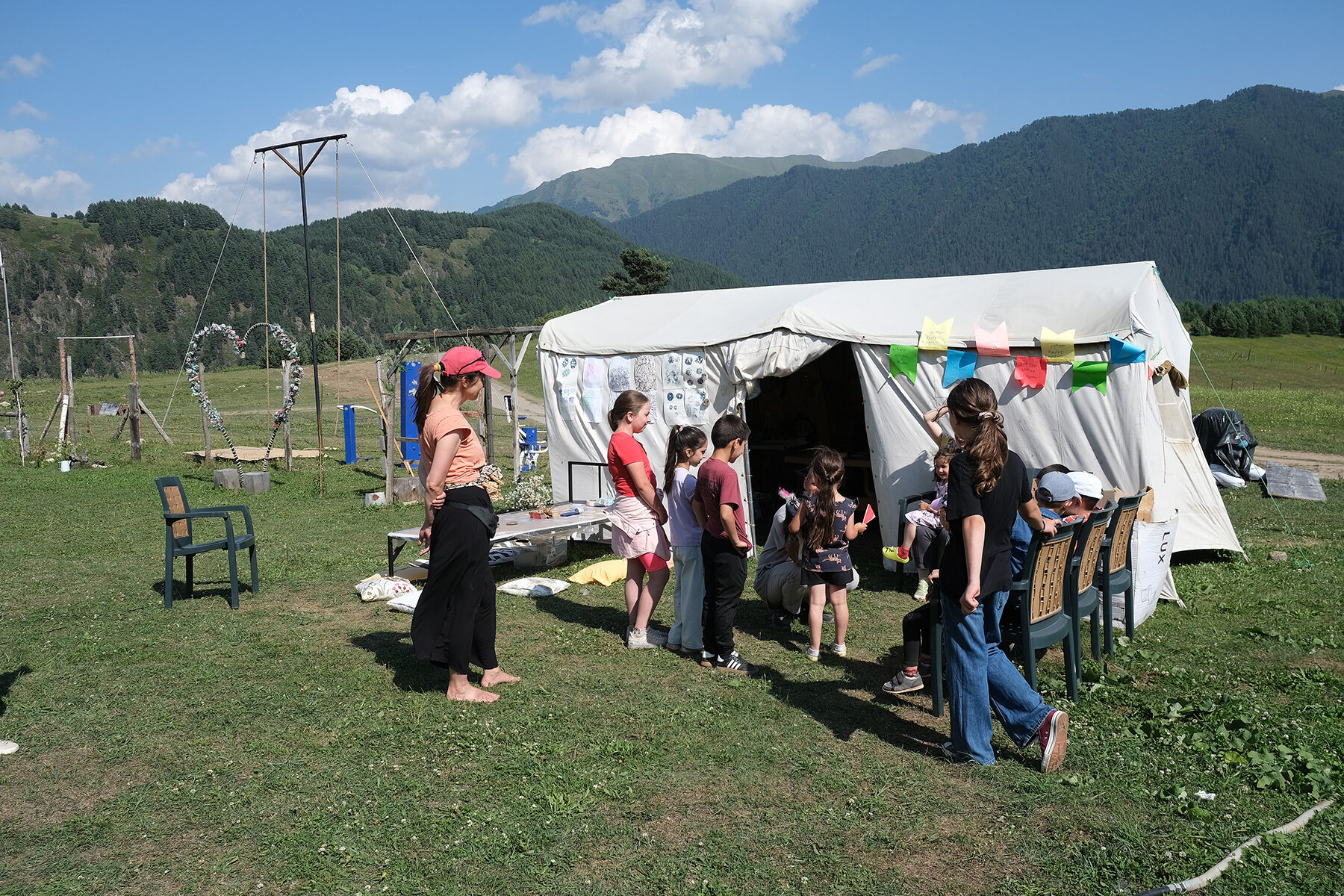
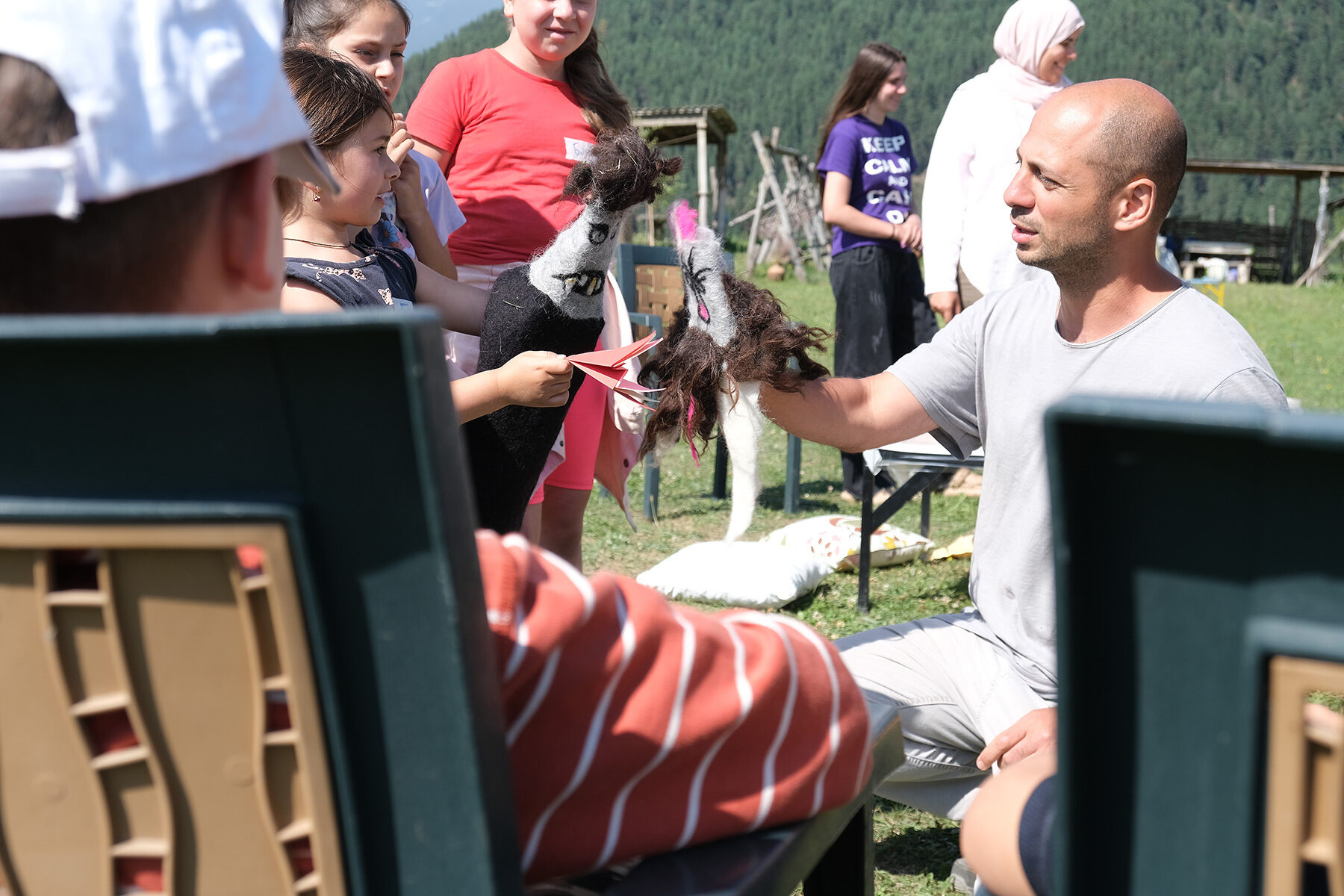
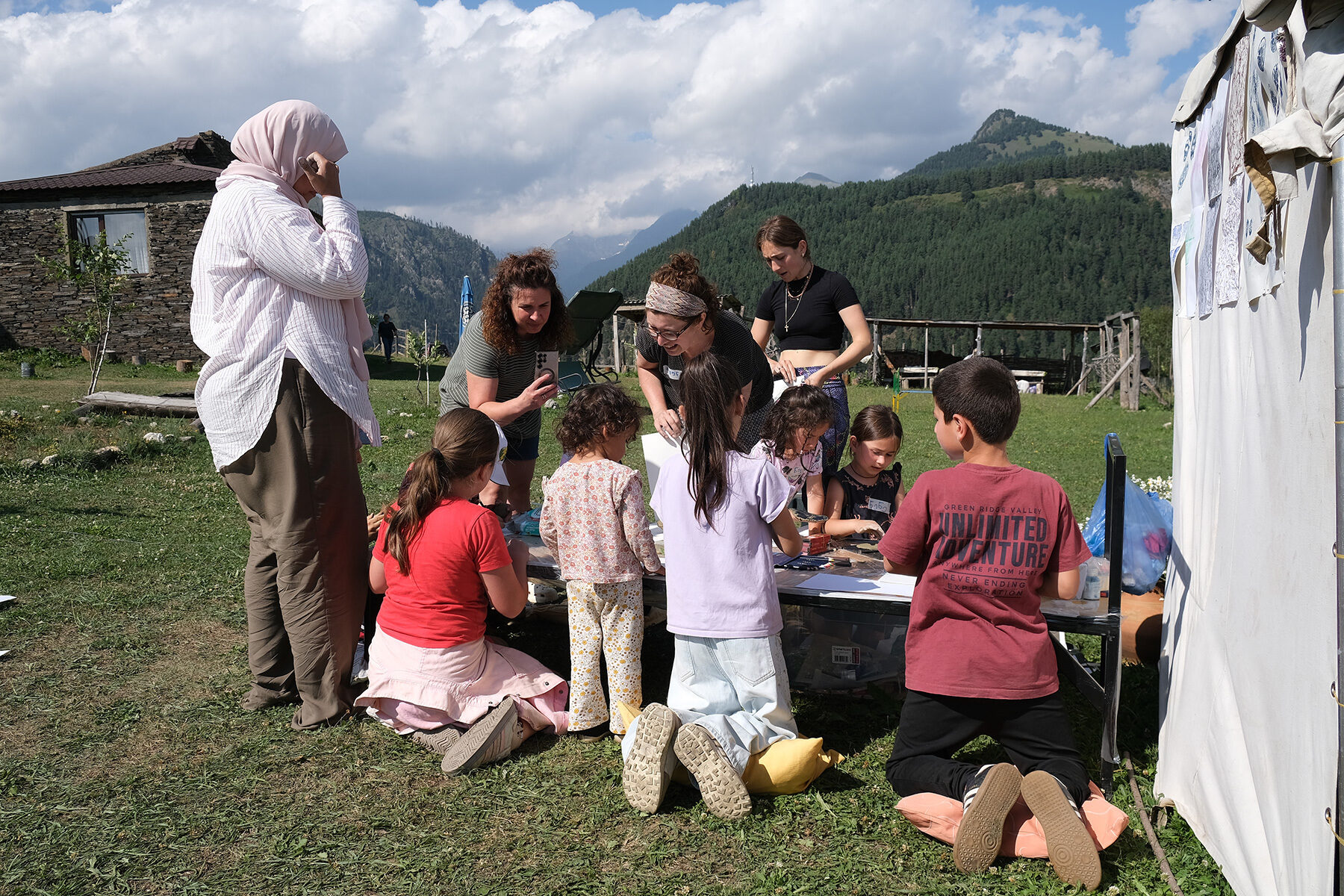
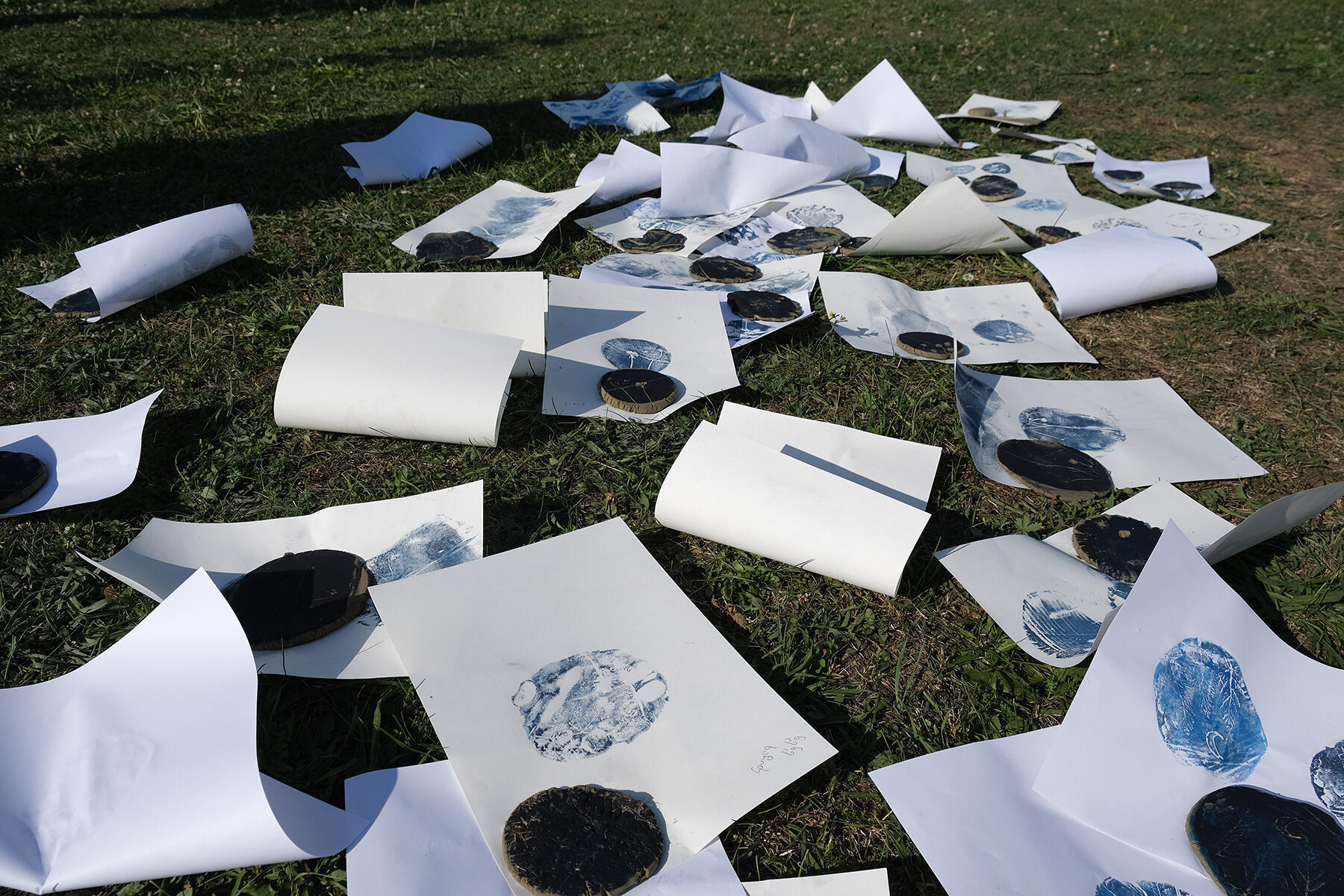
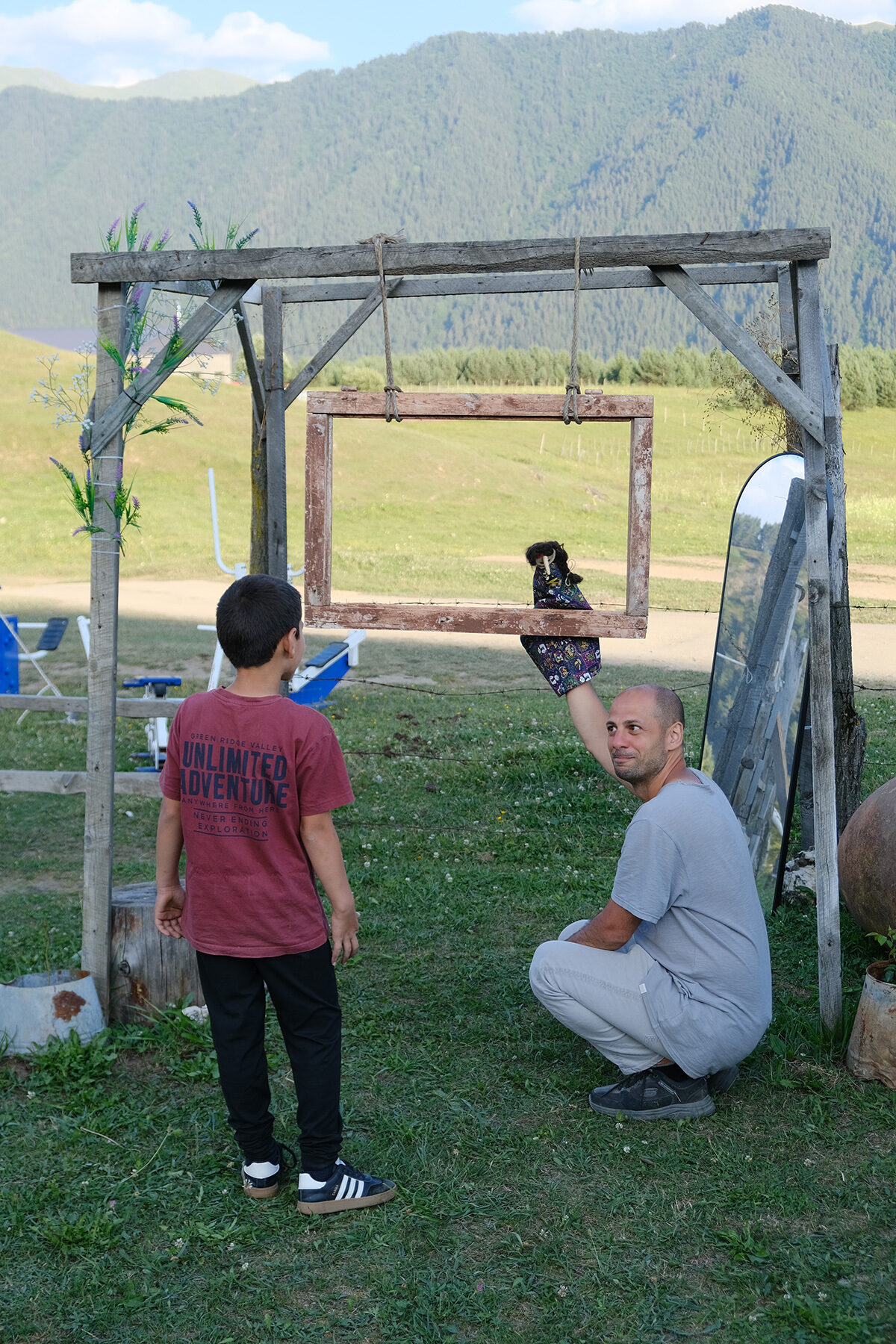
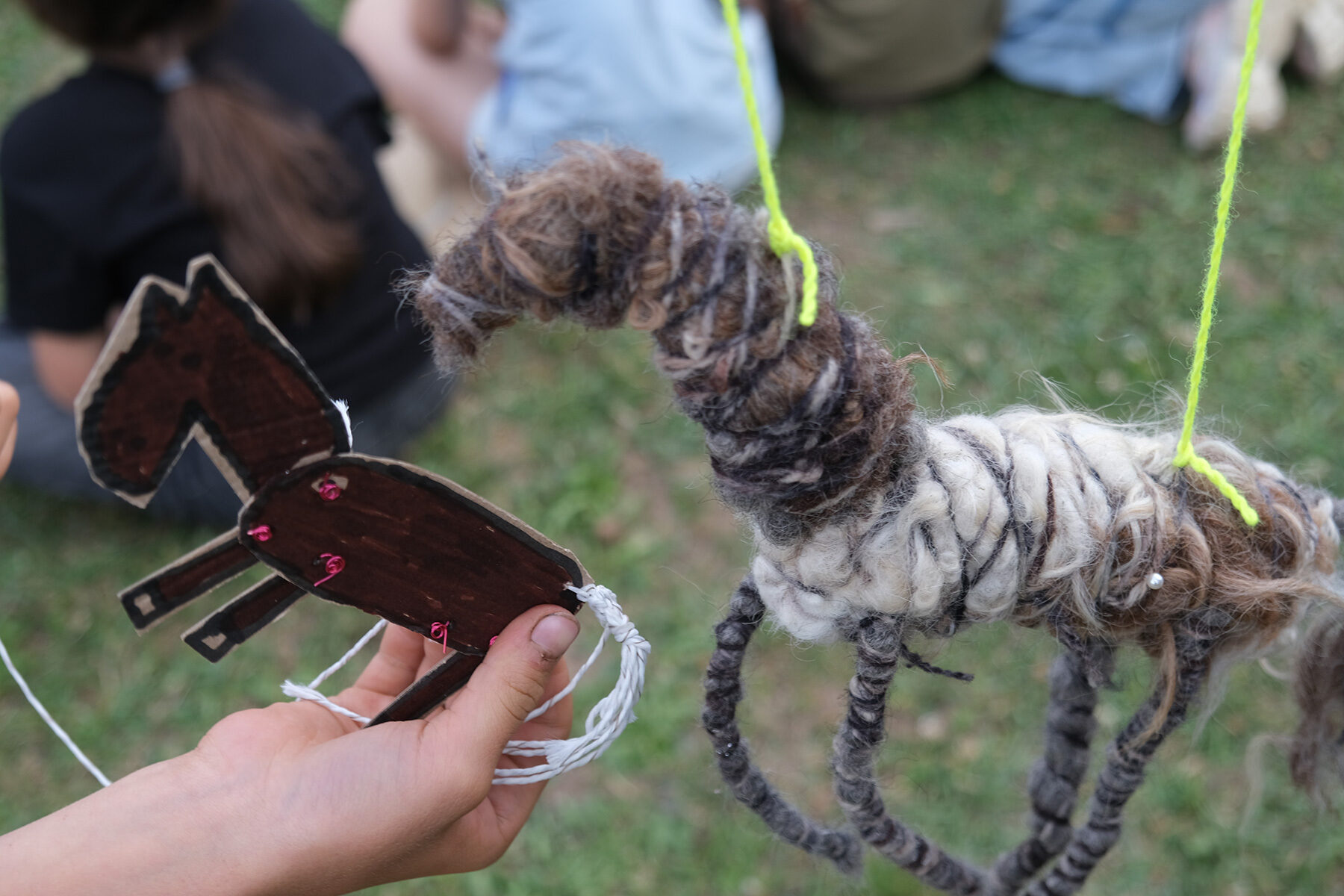
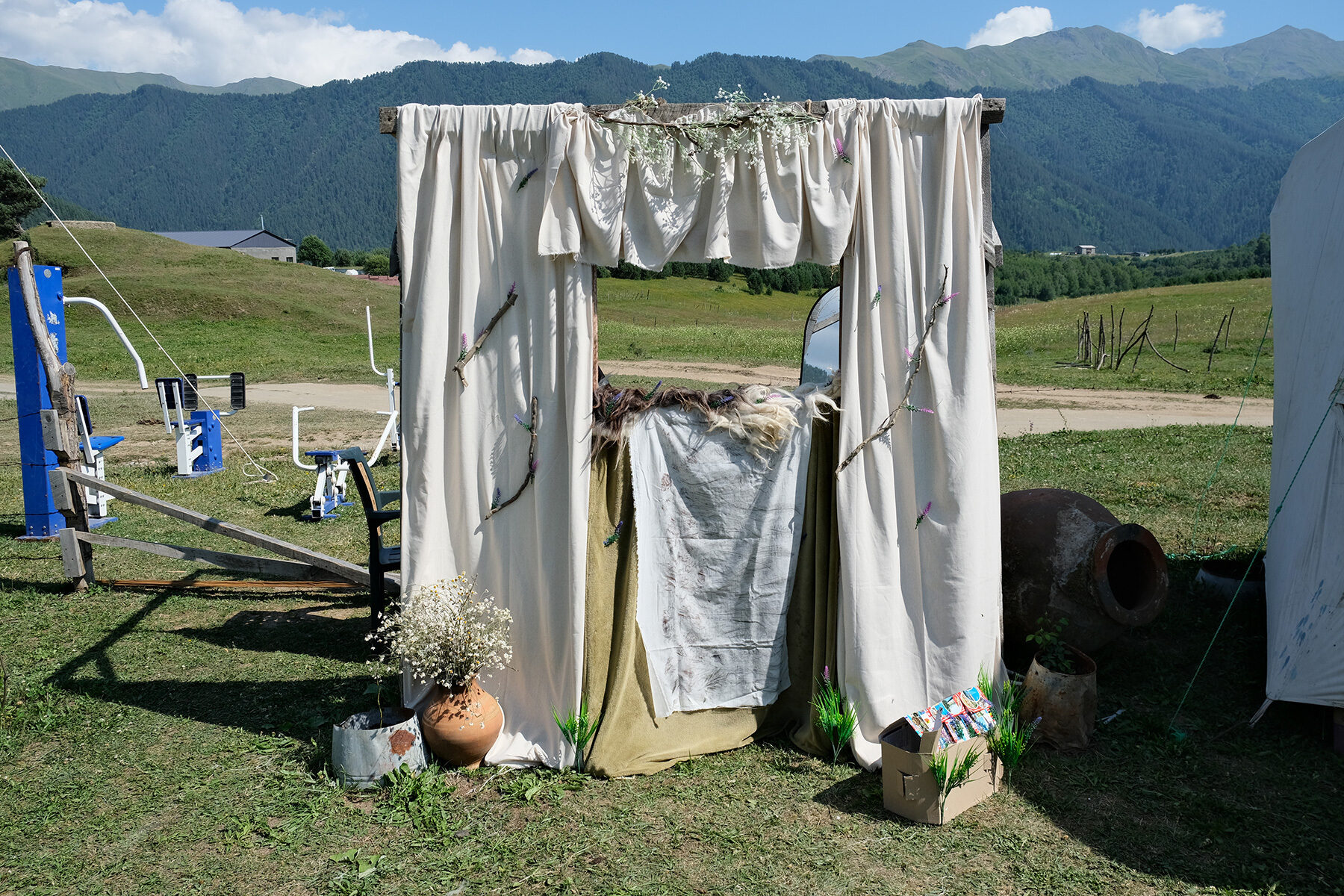
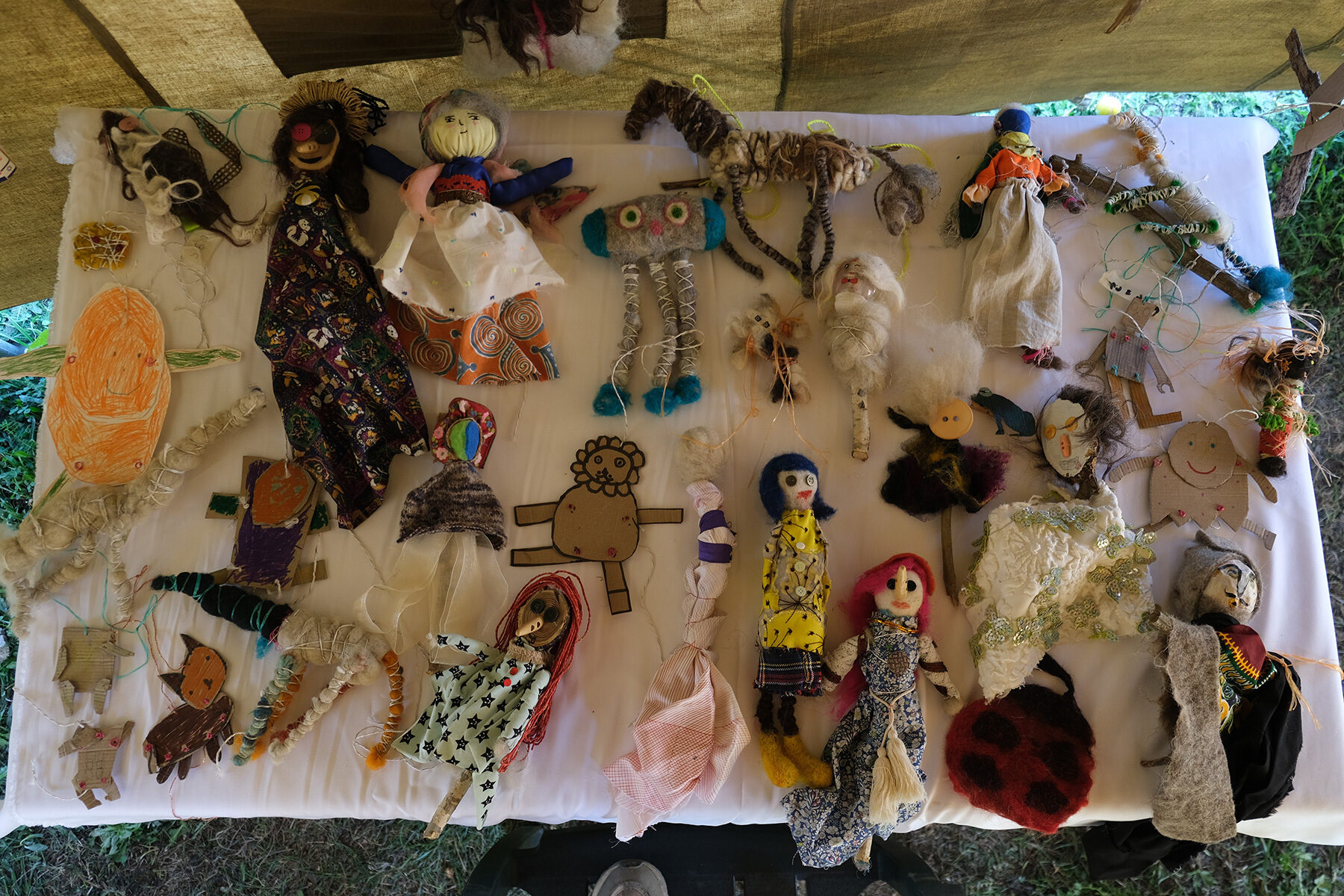
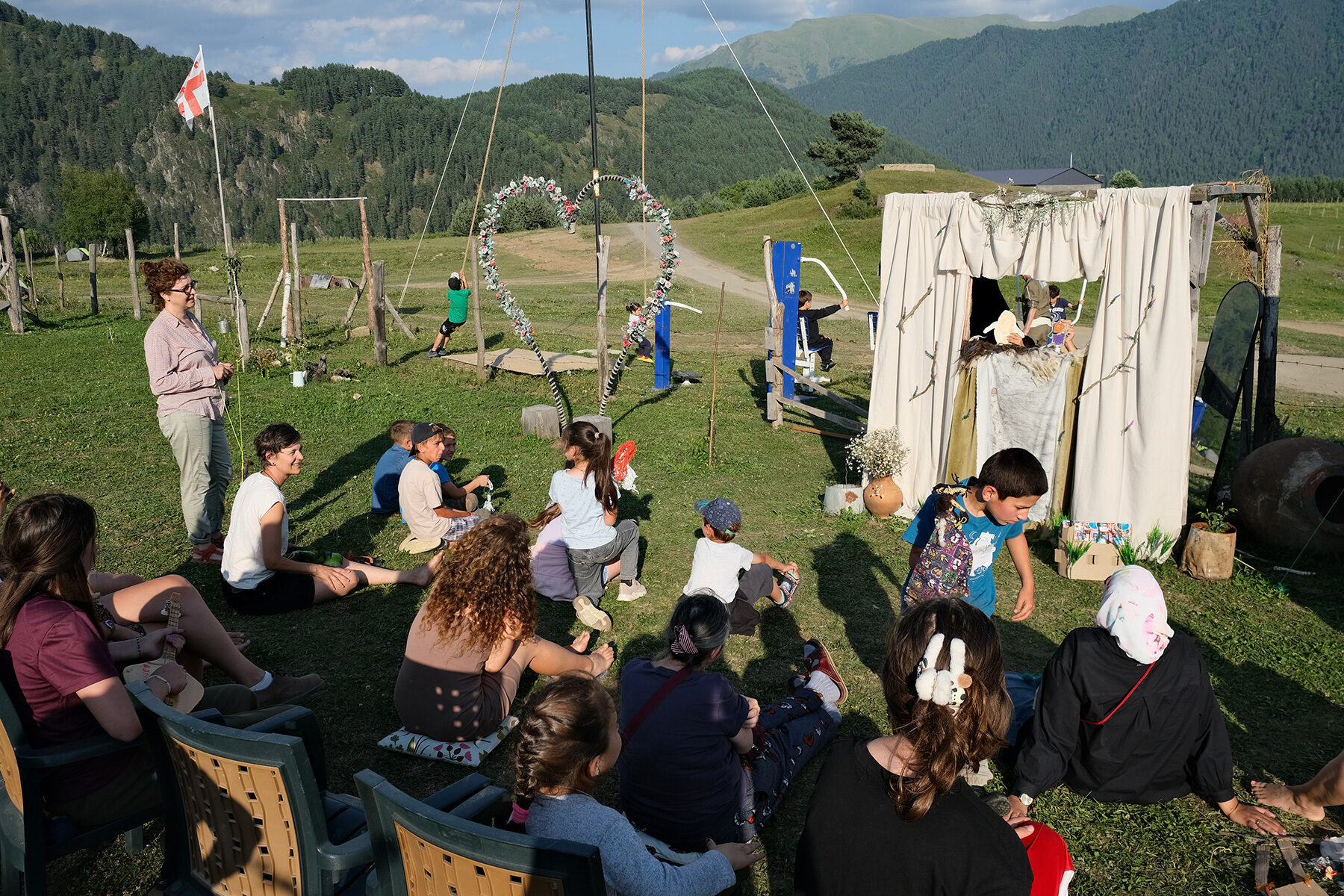
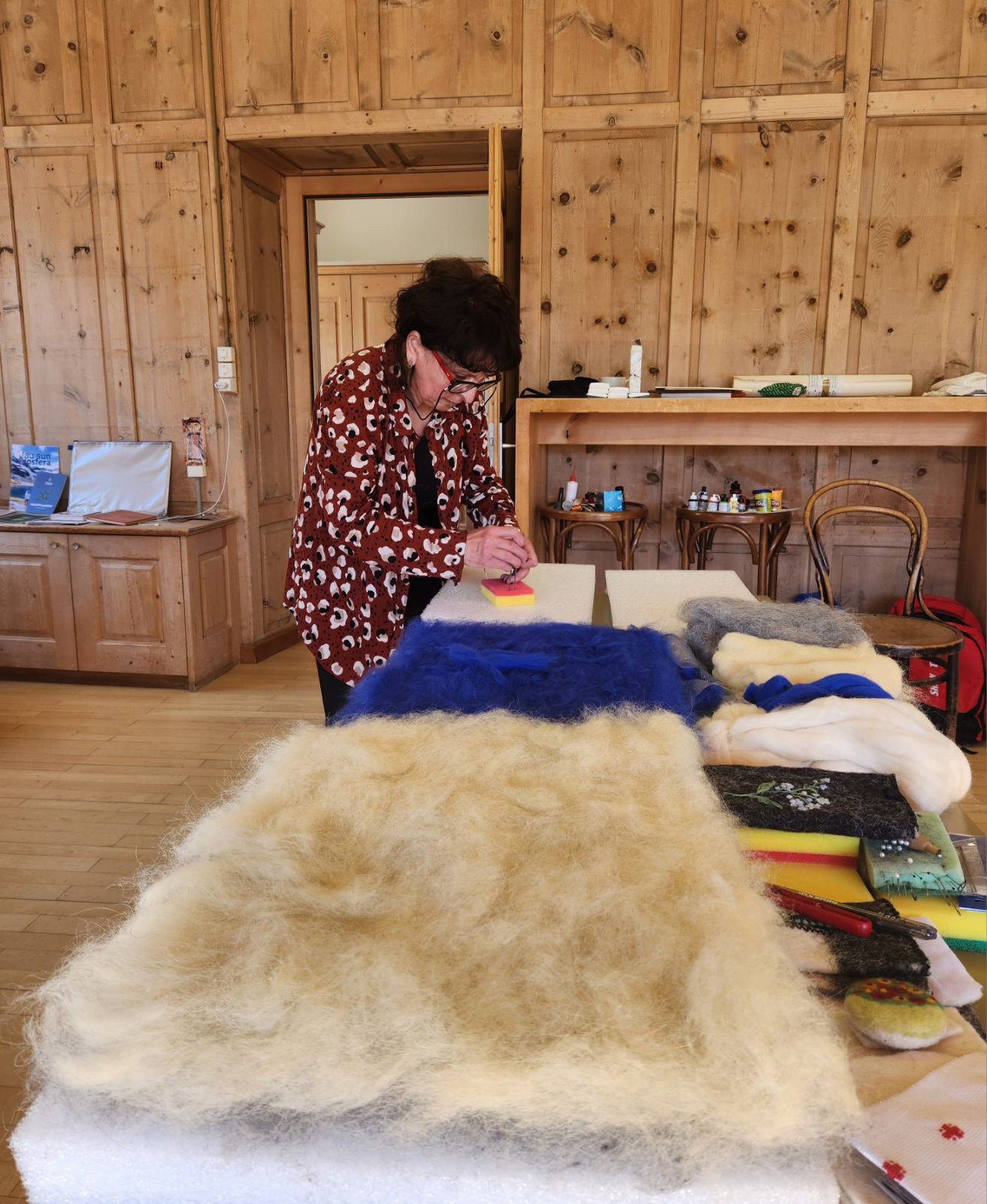
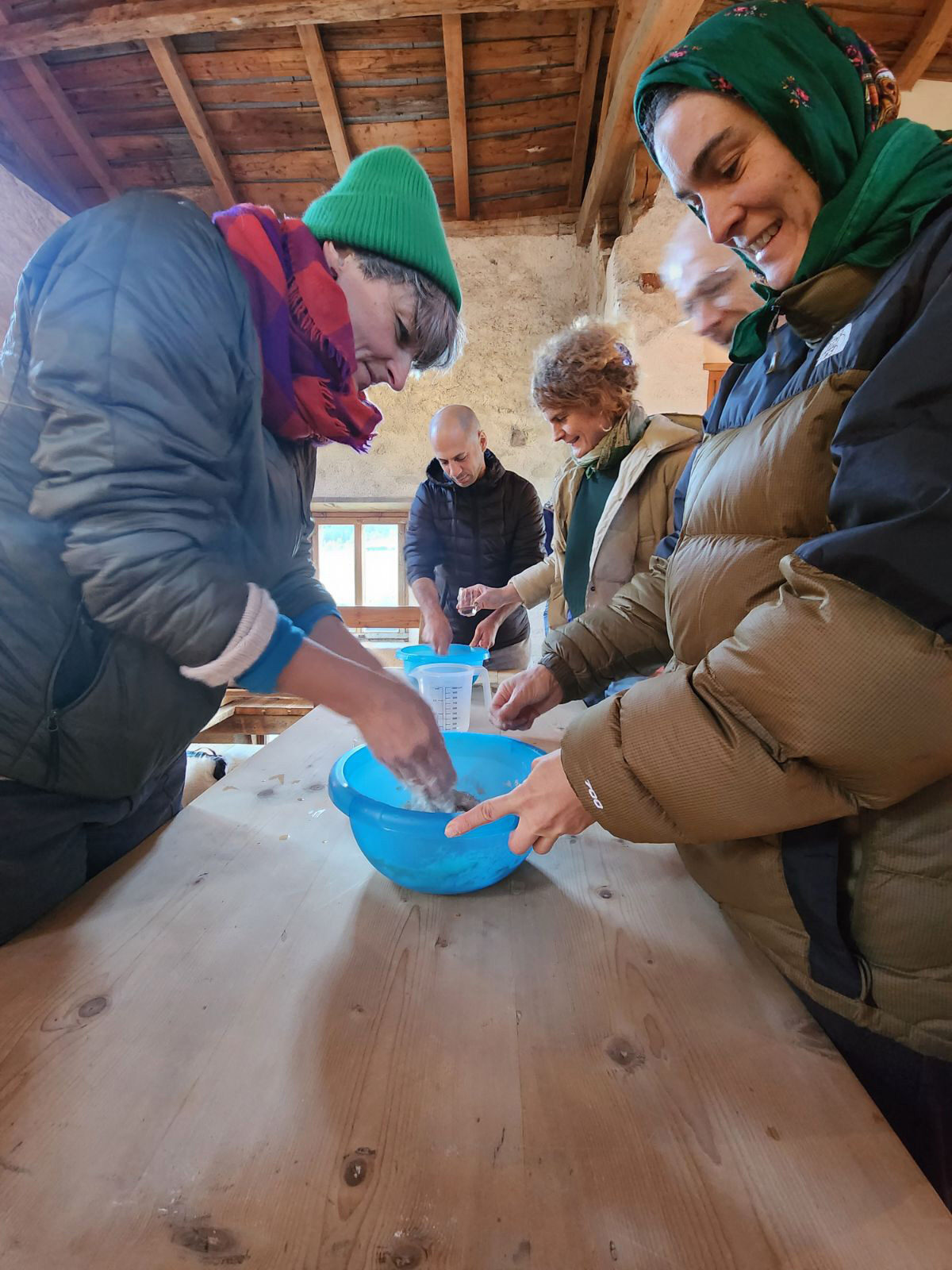
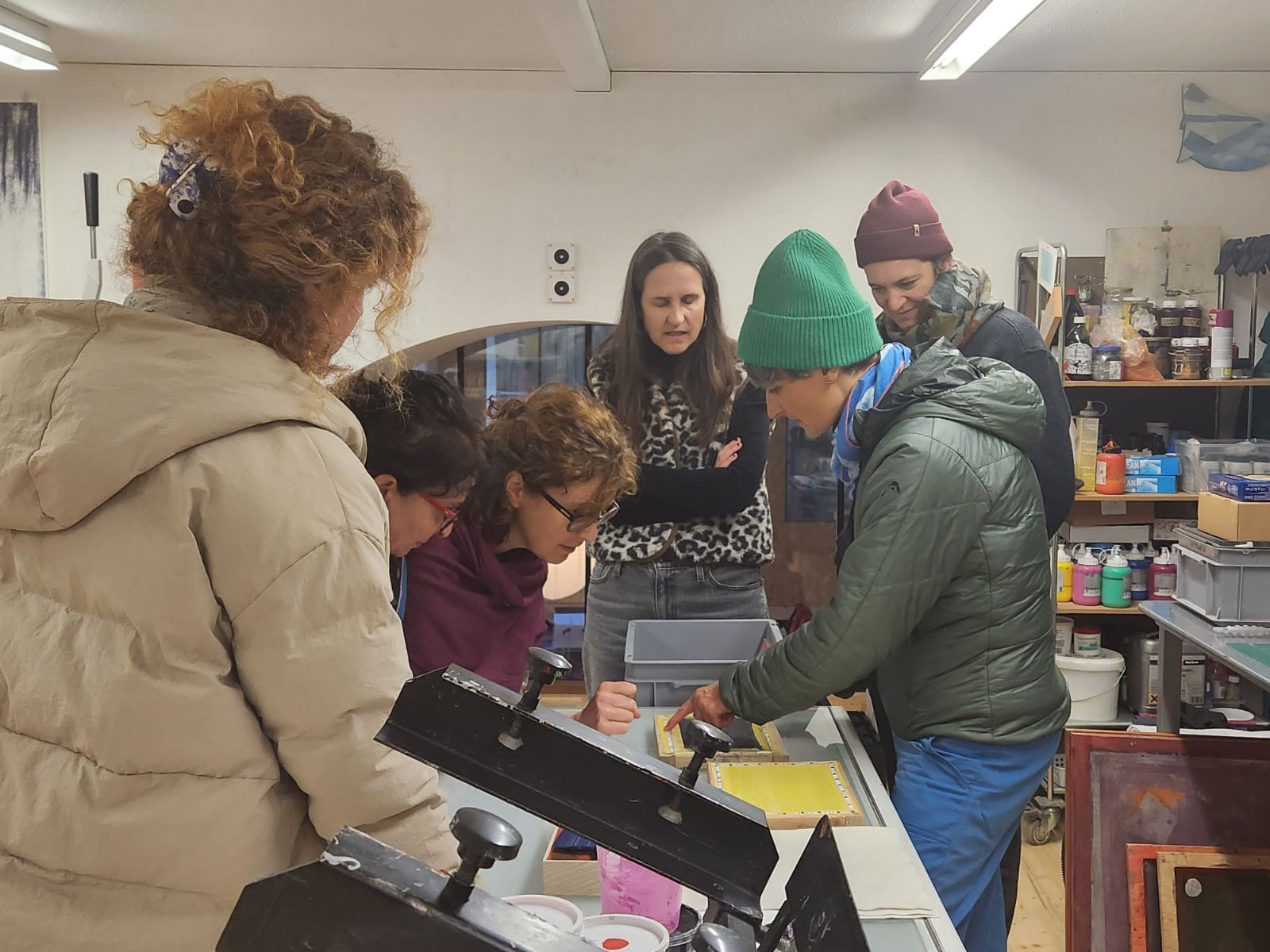
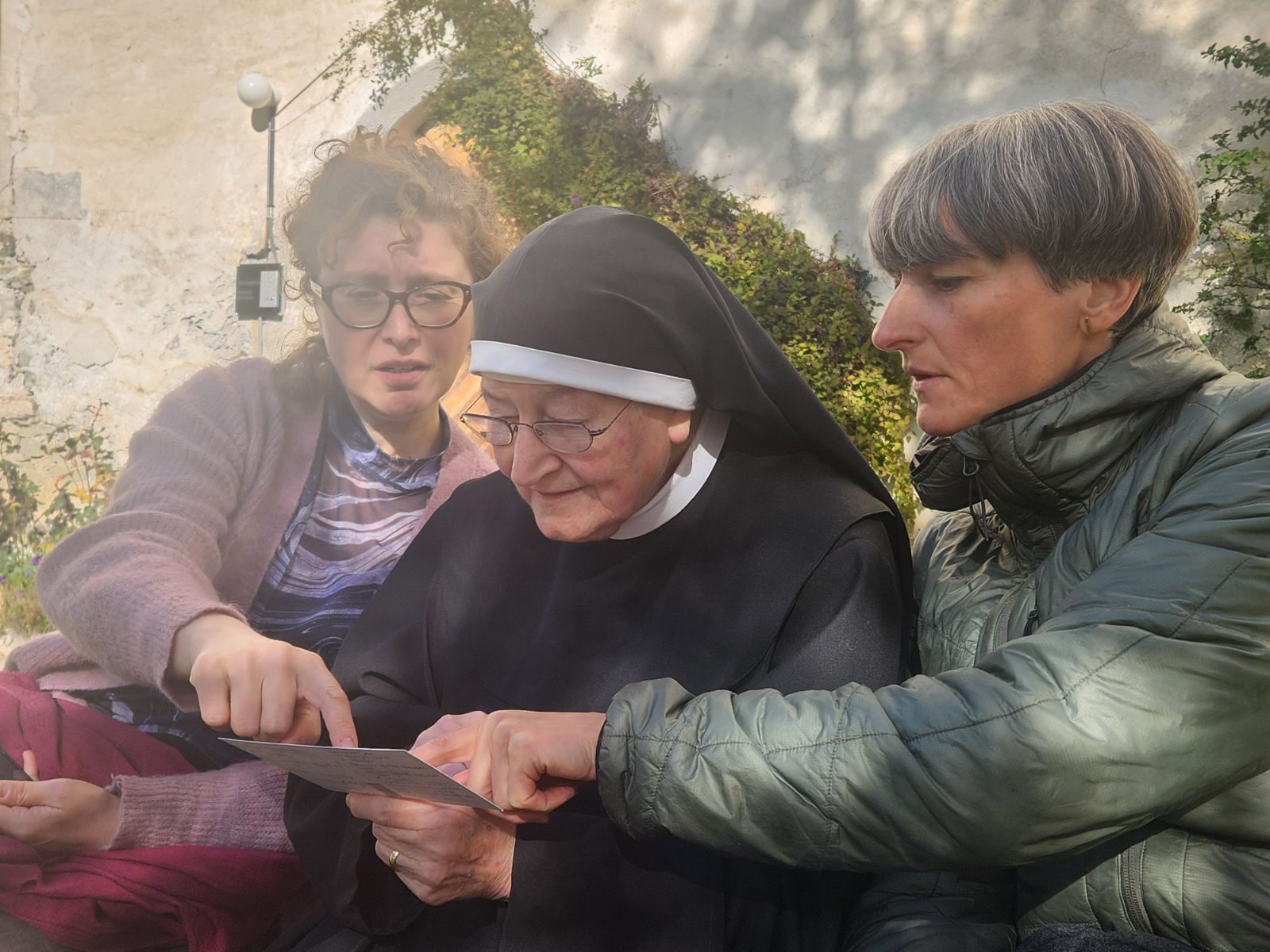
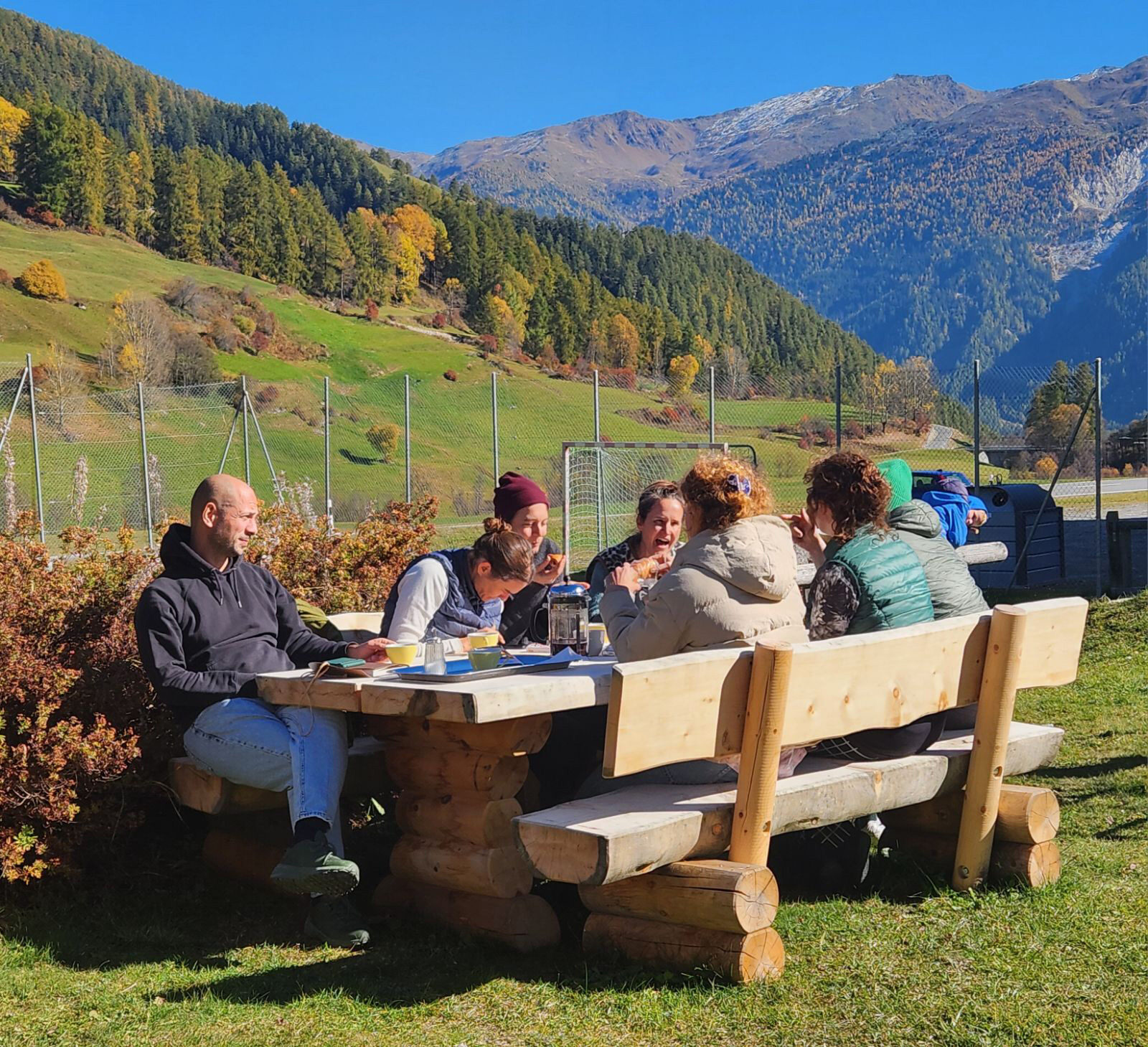
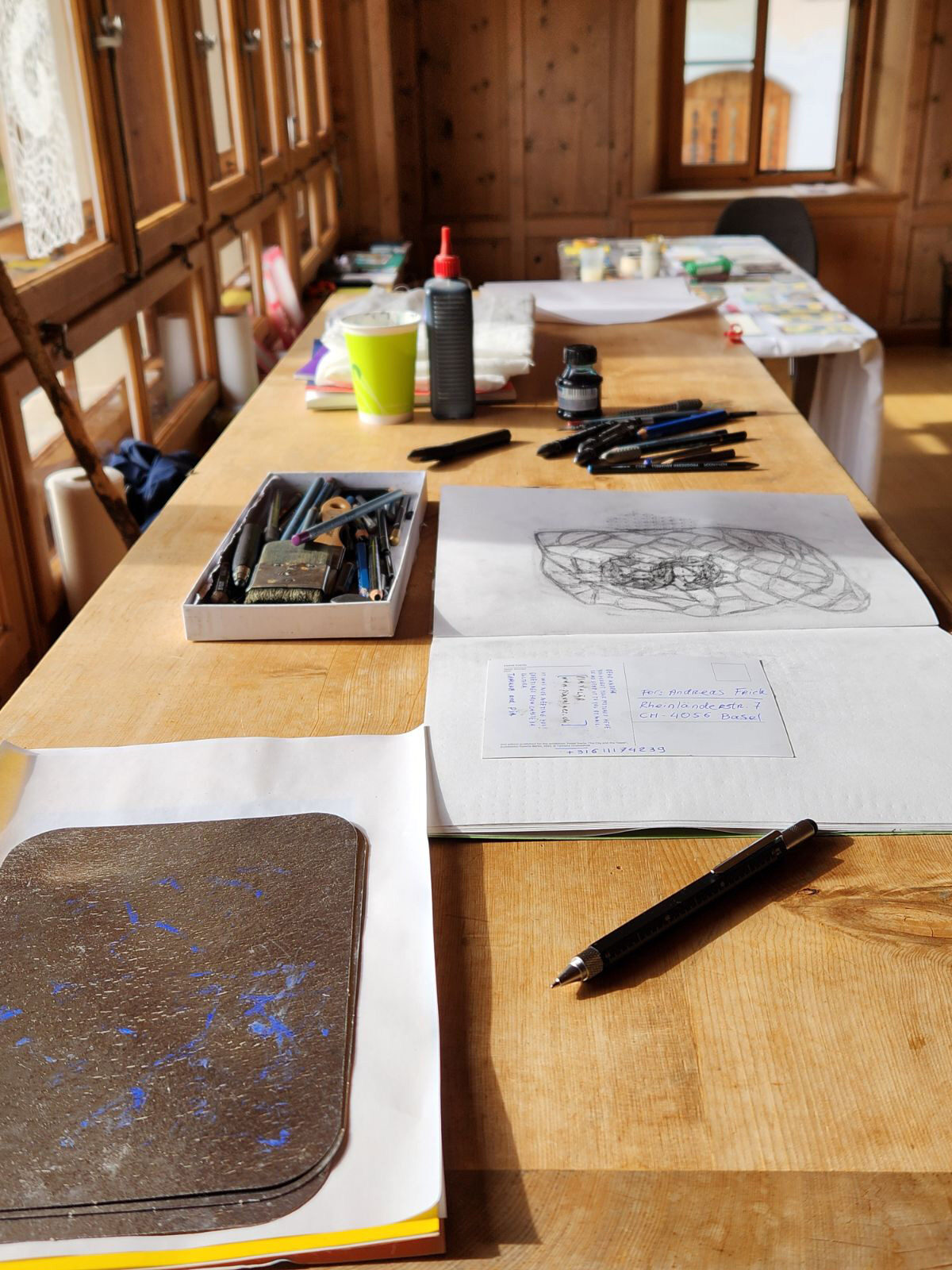
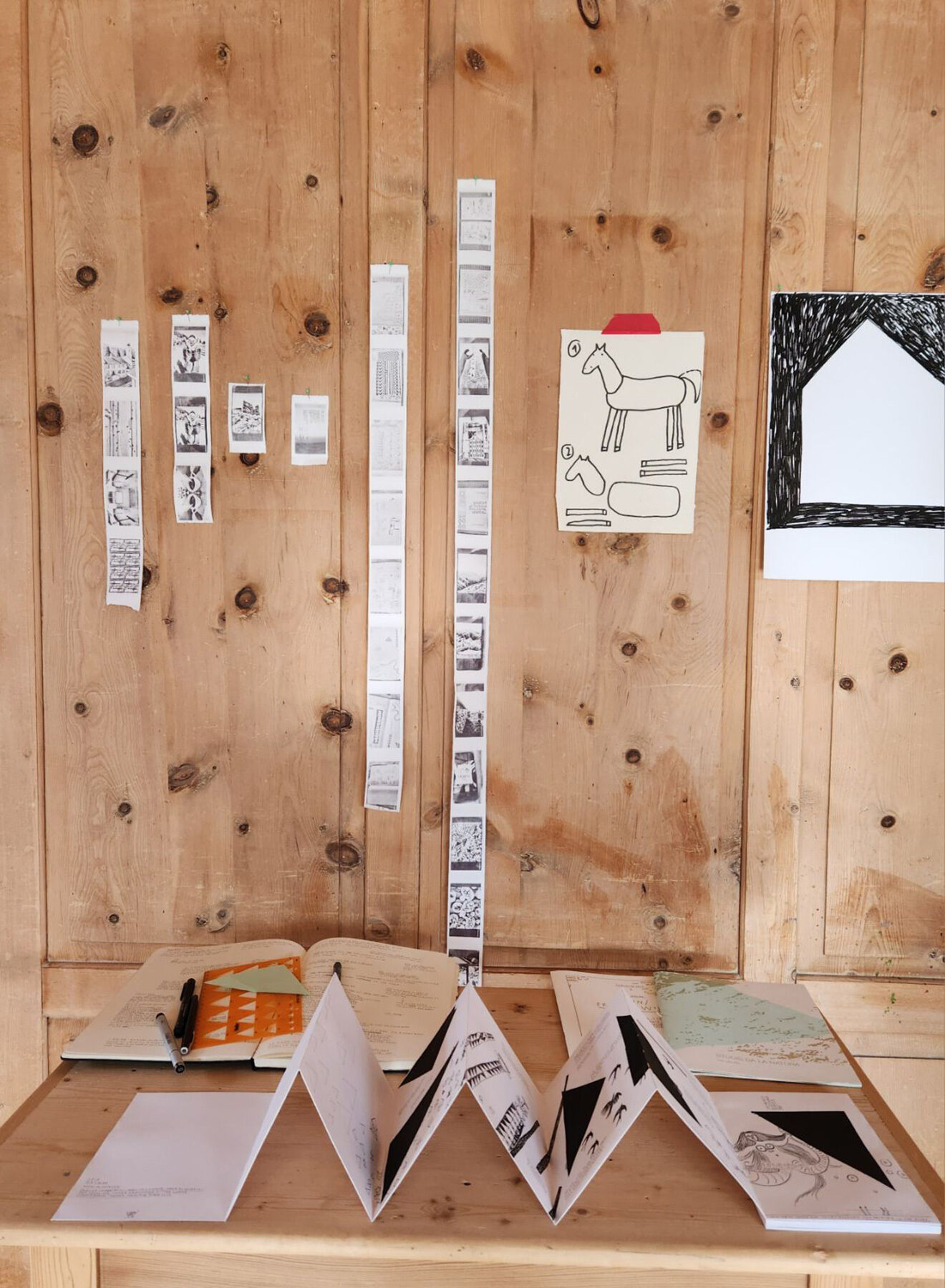
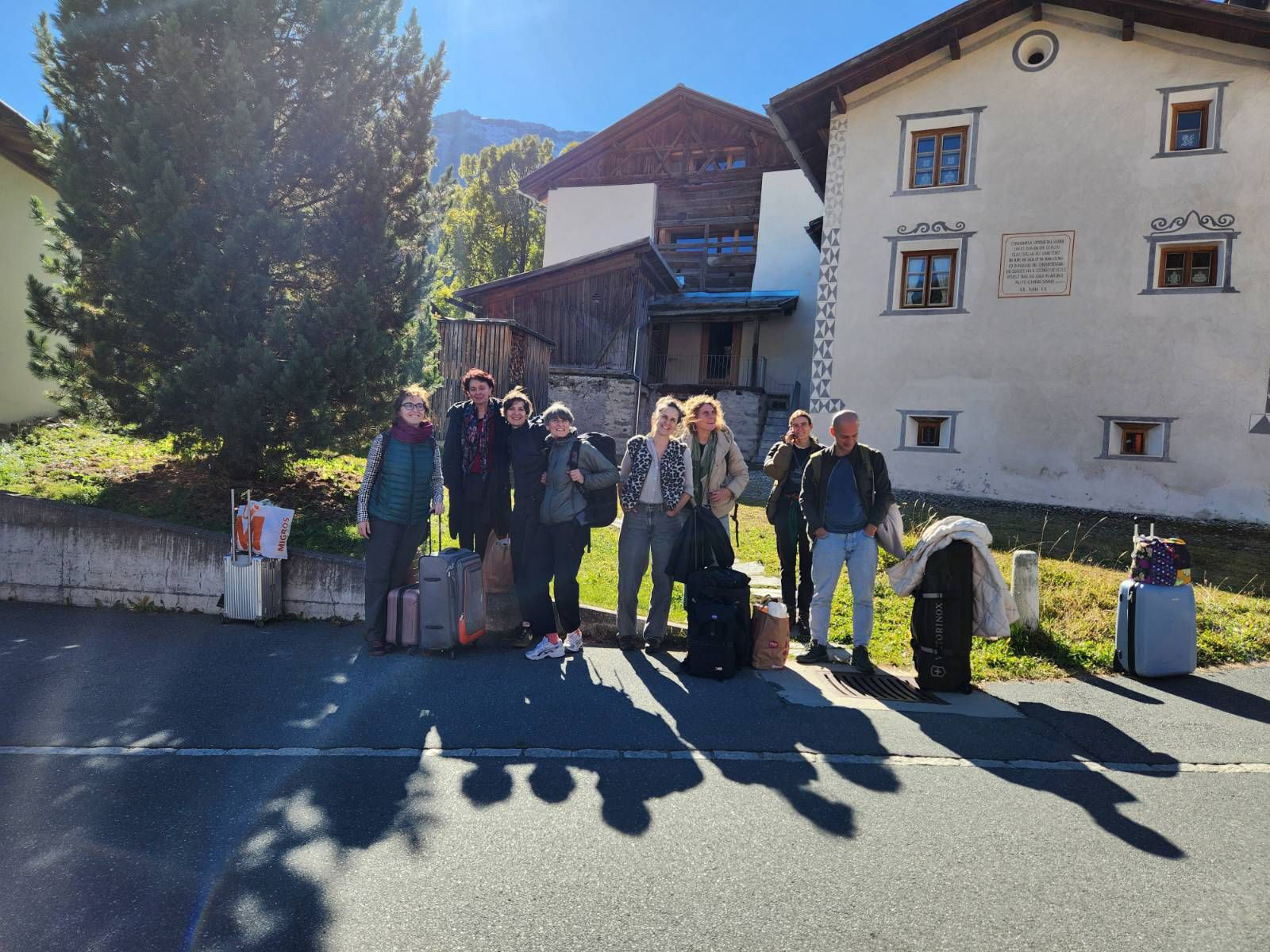
In the second cycle of Sharing Stories, the initial aim of using storytelling, drawing, and publishing as artistic tools was expanded to include experimenting with diverse formats of exchange – from puppet theatre to kitchen conversations.
In July 2025, as part of the second edition of Sharing Stories, we spent a week in Omalo, in the mountains of Tusheti. Although the region attracts tourists in summer, it remains a peripheral area in the Greater Caucasus, bordering Dagestan and Chechnya. Many of the approximately 30 children who spend the summer in the village took part in workshops prepared by the group of 9 artists on site. The focus was on exploring myths to discover the universality of grand narratives. At the same time, figurines were created from a wide range of materials: horses, mythological beings, fantasy creatures, friends – complete with suitable stage sets. At the end of the week, the artists and children presented an improvised puppet theatre performance to an extended audience.
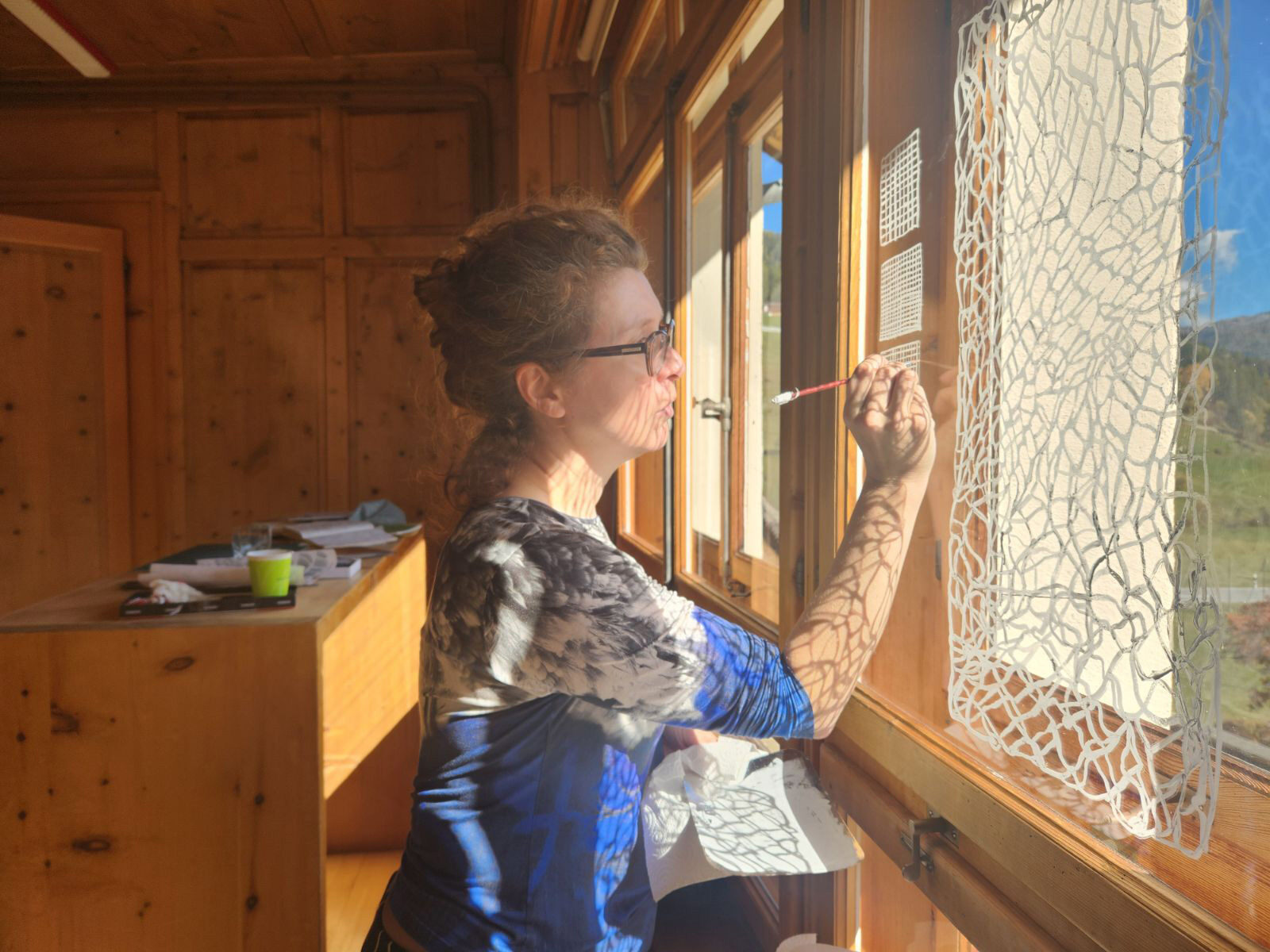
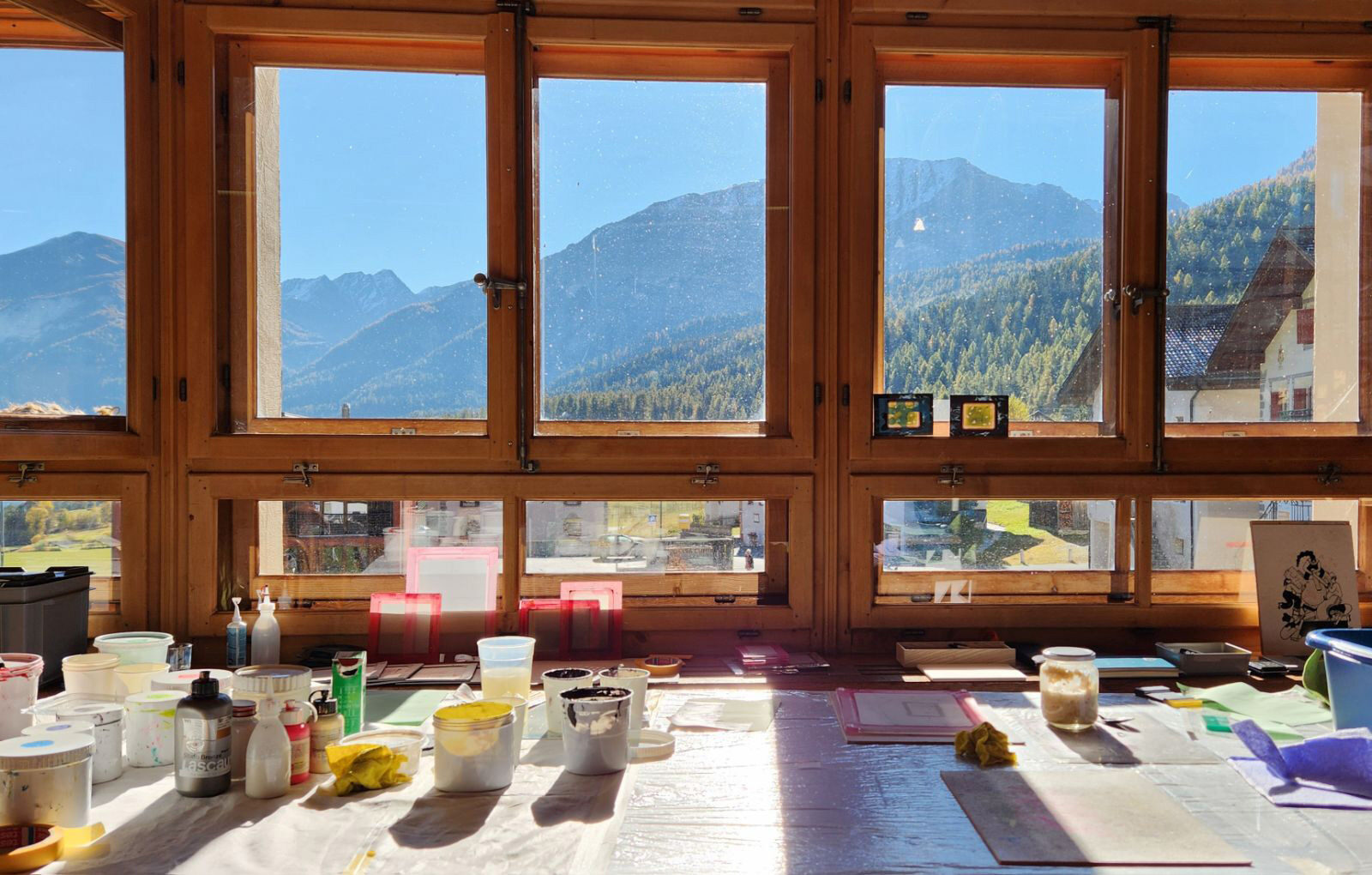
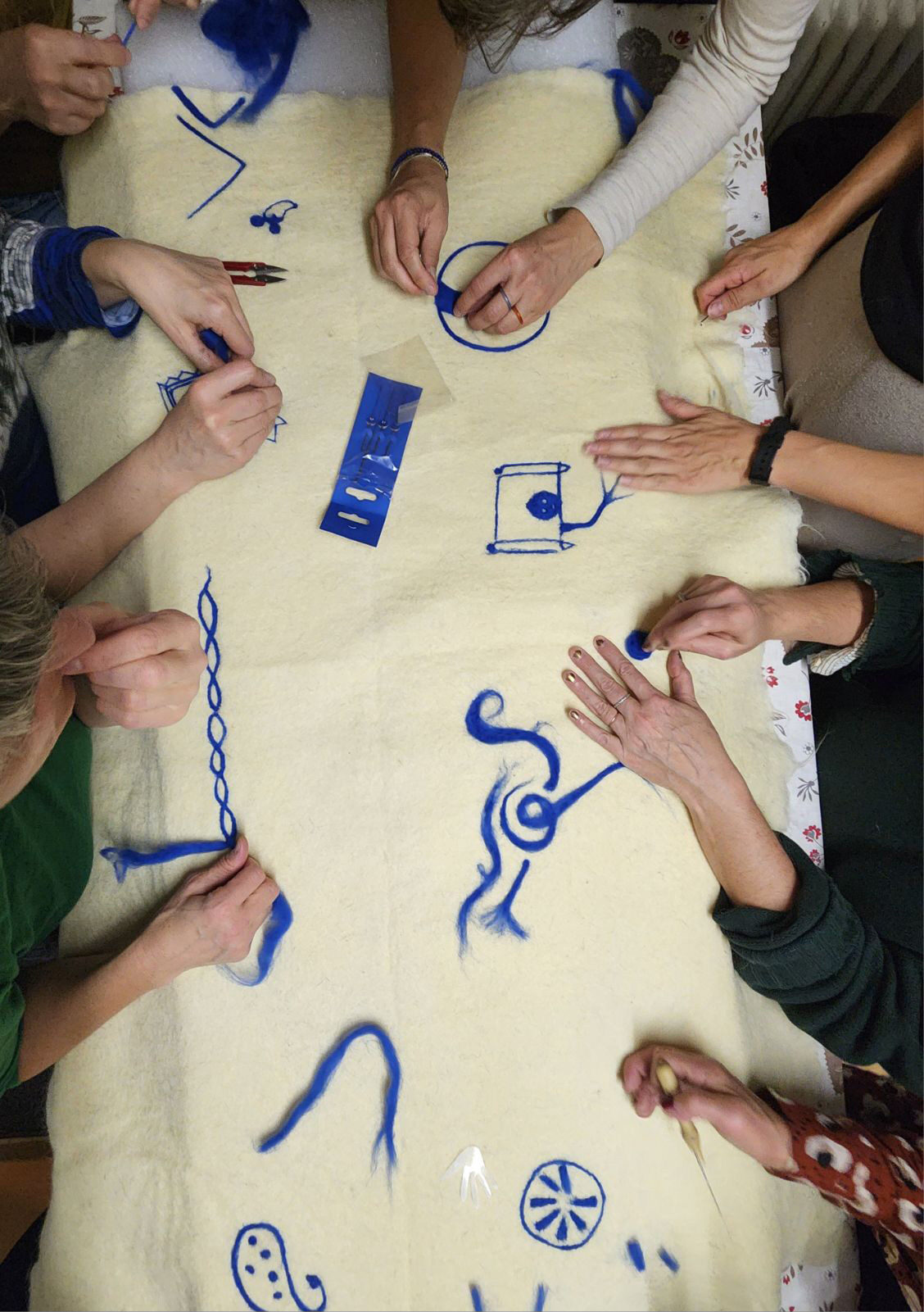
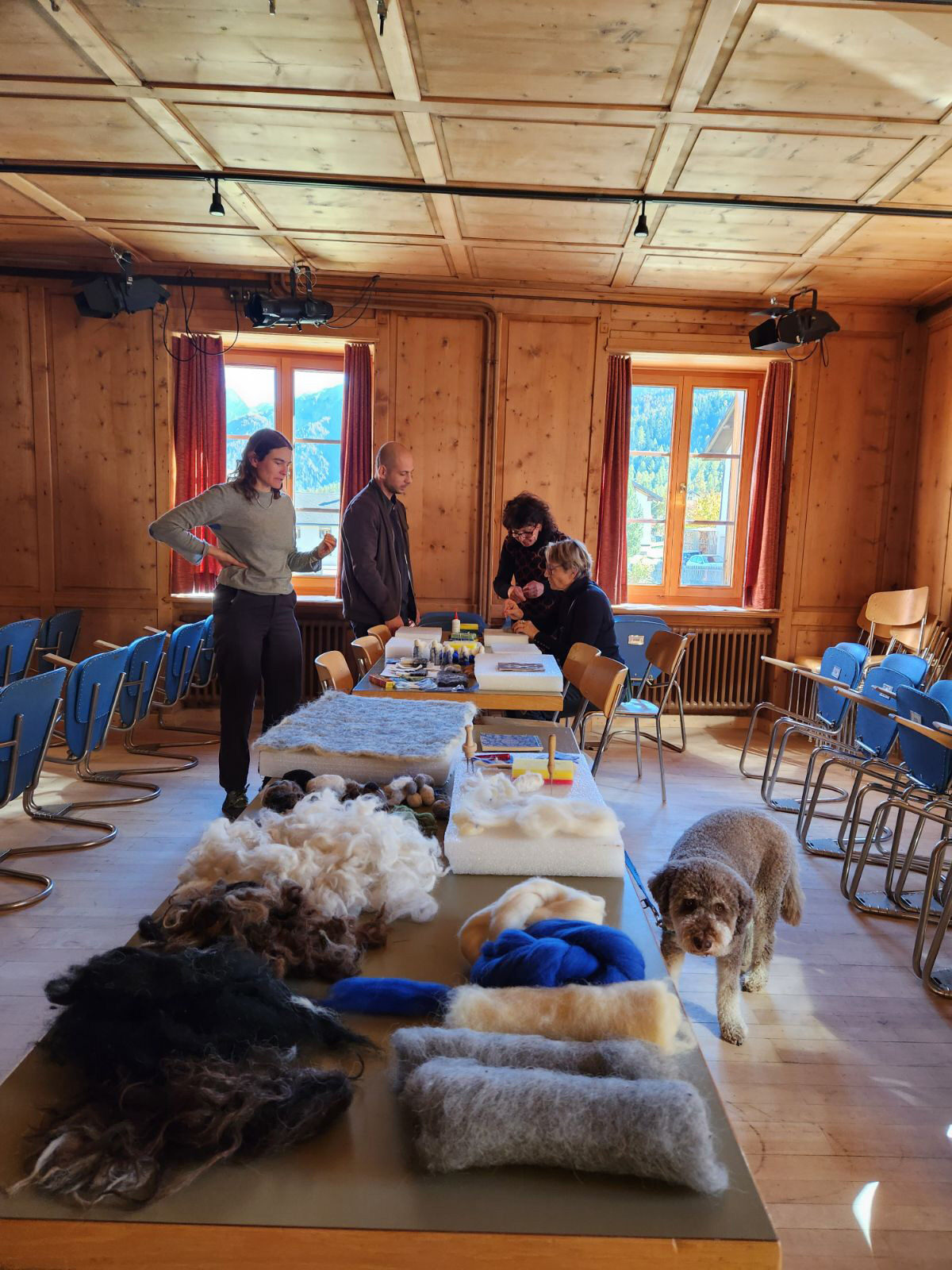
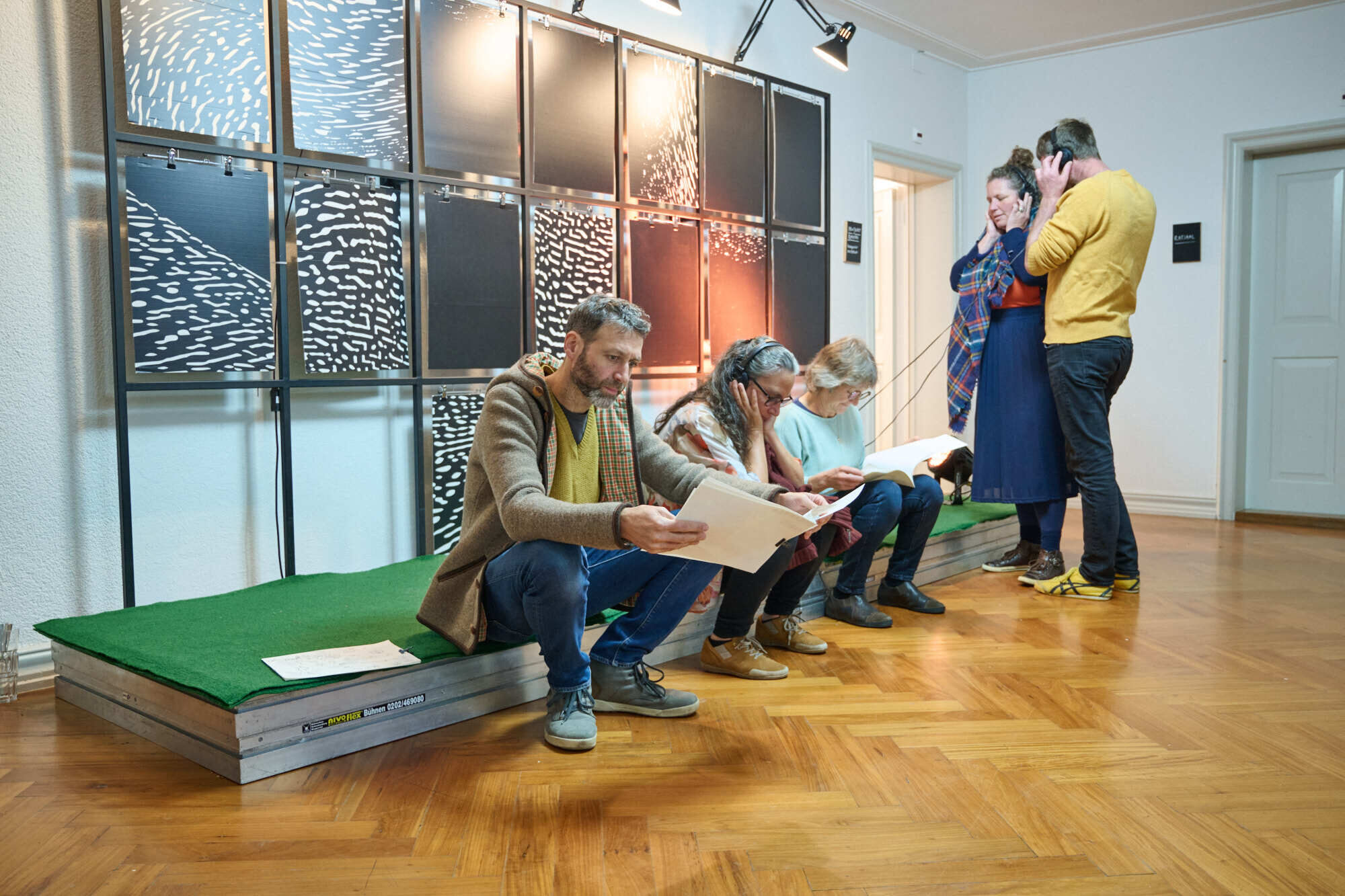
In October 2025, the group of artists was hosted in Val Müstair, a peripheral mountain region of Switzerland on the border with Italy. Here, activities took place not only across the various villages of the valley but also through further experimental formats of exchange. What happens when artists engage in conversation with people from the valley and their stories in a garden, in a kitchen, or in a historic mill? The artists and local participants explored the different layers of storytelling: from myths found in the sgraffiti, to historical narratives surrounding the valley’s culture, to personal stories that at the same time speak to our shared humanity. The project concluded with a two-day Open Studio featuring workshops in screen printing and wool processing. In addition, a reading was performed in German and Georgian, and visitors were able to observe the artists at work and in conversation.
Place and Year
Tusheti and Val Müstair, 2025
Participating children Tusheti, Georgia
Nikolozi, Tatia, Natia, Elene, Nitsa, Lili, Lasha, Sofia, Tornike, Luka, Ani, Lazare, Luka, Datuna, Nene, Lile, Saba, Mate and Elene
Participants Val Müstair, Switzerland
Sister Domenica (Monastery of St. John), Angela and Flurina Giacomelli (Center da sandà Val Müstair, Verein Pumptrack), Pascal Lampert (artist), David Spinnler (Biosfera Val Müstair), Christiane Stemmer and Laurent Ritter (Muglin Mall), Lucrezia Züst-Toutsch (hairdresser and Samaritan Association)
Artists
Claudia Barth
Tamuna Chabashvili
Alex Chigvinadze
Nana Eliboshvili
Ana Janelidze
Yvonne Rogenmoser
Sara Sayed (Tusheti, July 2025)
Esther Schena (Val Müstair, October 2025)
Pia Valär
Yasmin Kiss (guest)
Project Management
Tamara Janashia (artasfoundation)
Mara Züst (artasfoundation)
Partner Organisations
Atelier K18a and Zurlinden, Zurich
Chastè da Cultura, Fuldera
Financial Contribution
Max Kohler Foundation
Gamil Foundation
Caritatis Foundation
Sharing Stories I – Images on the Move
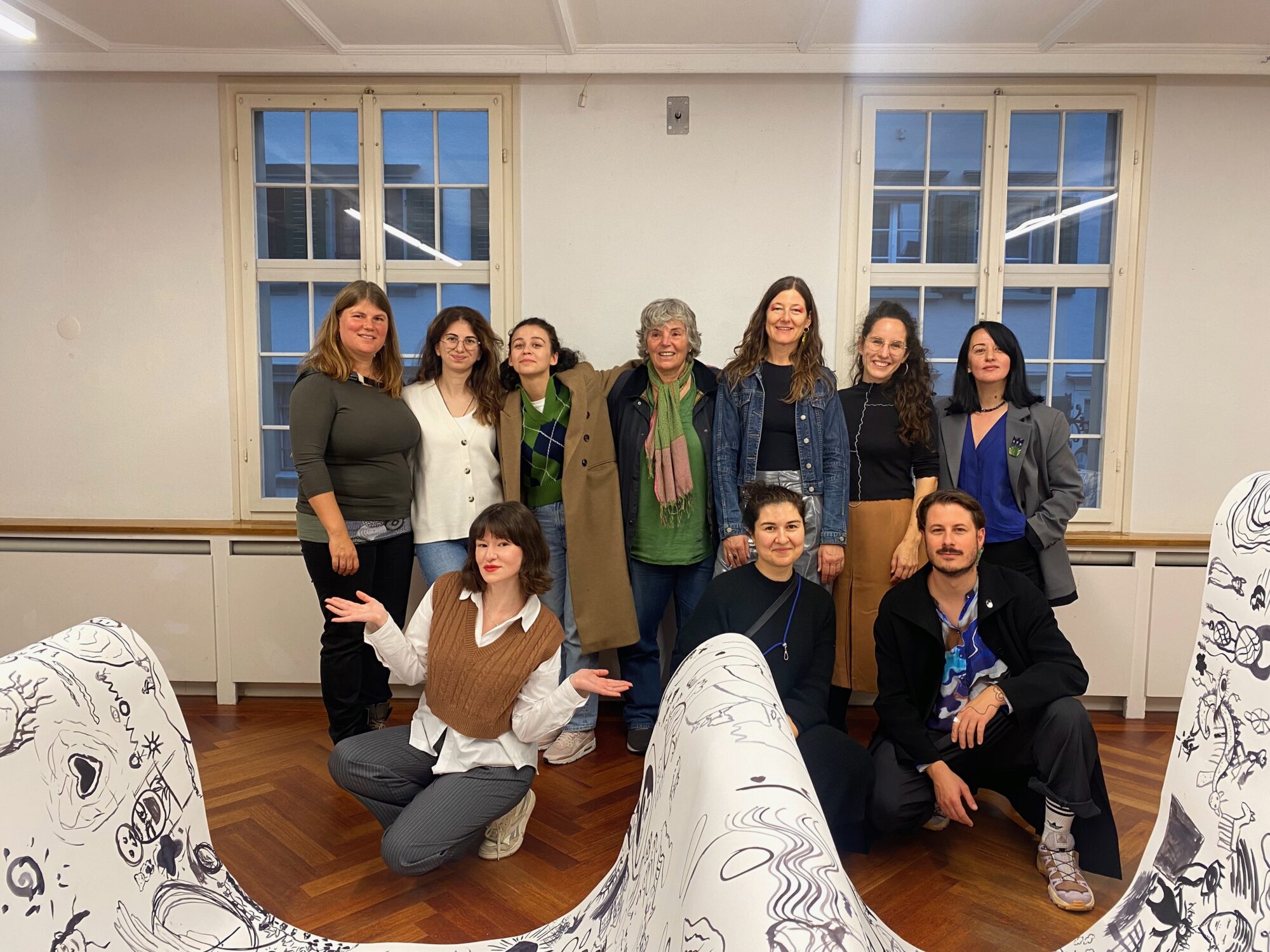
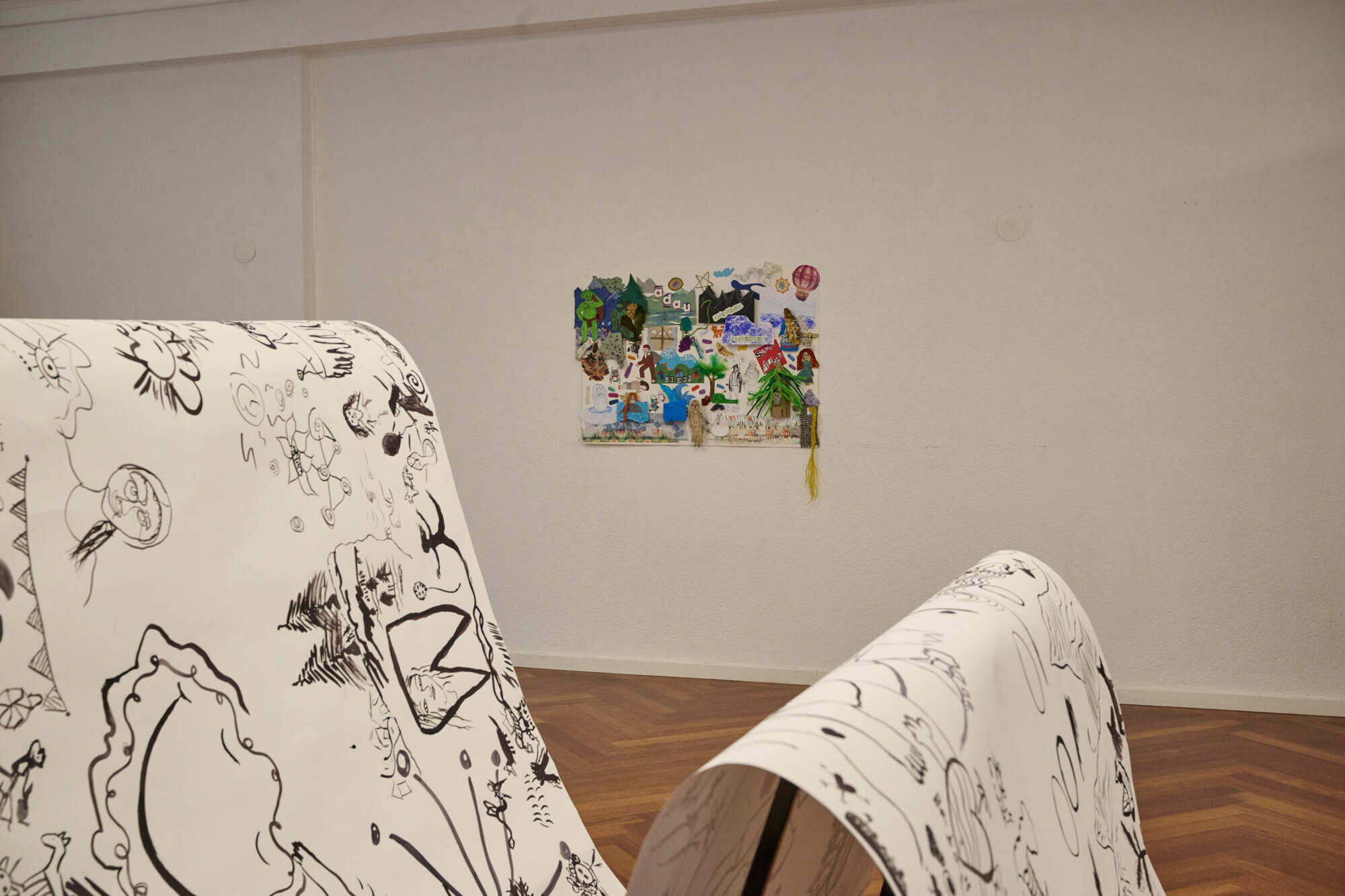
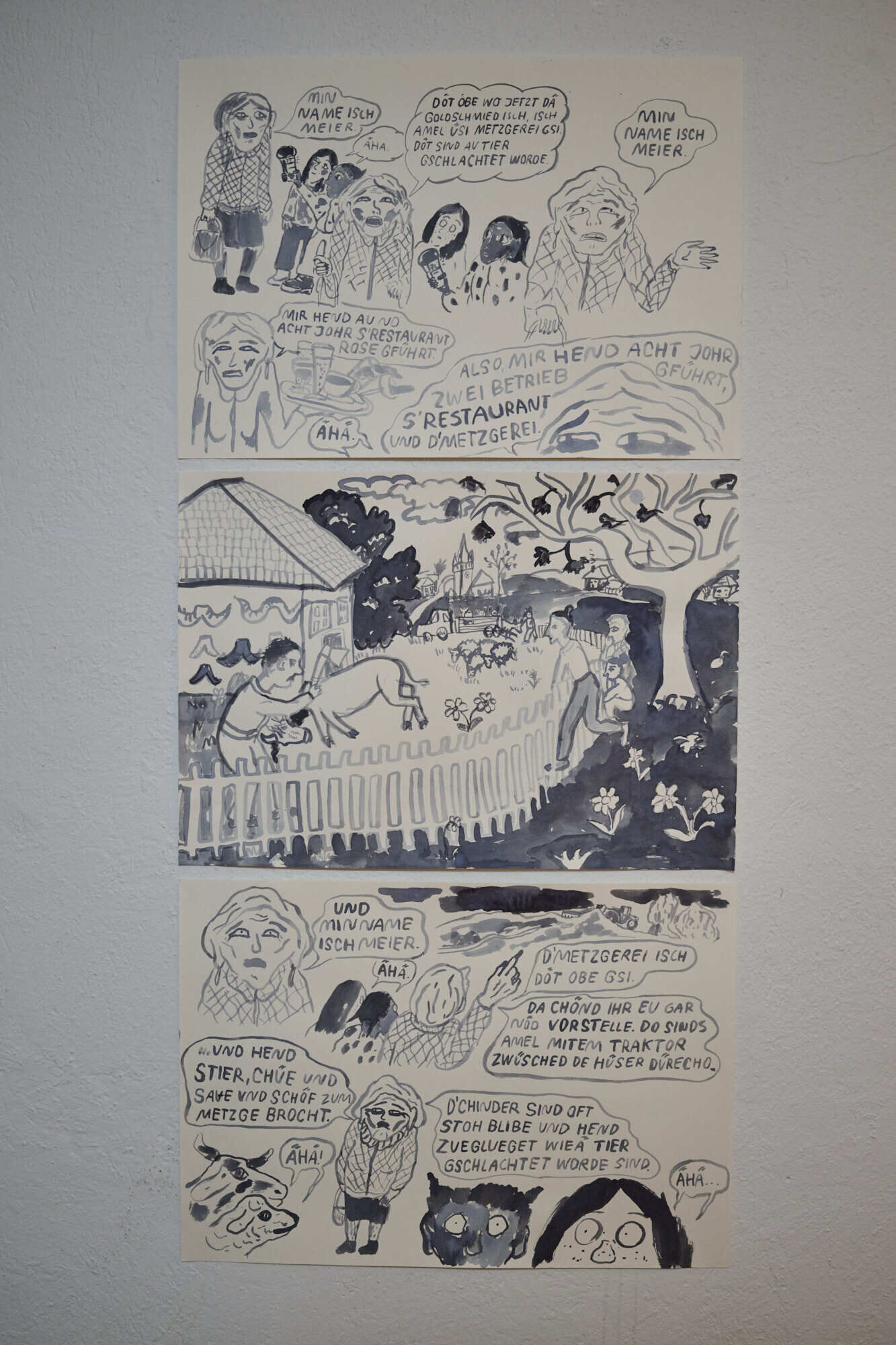
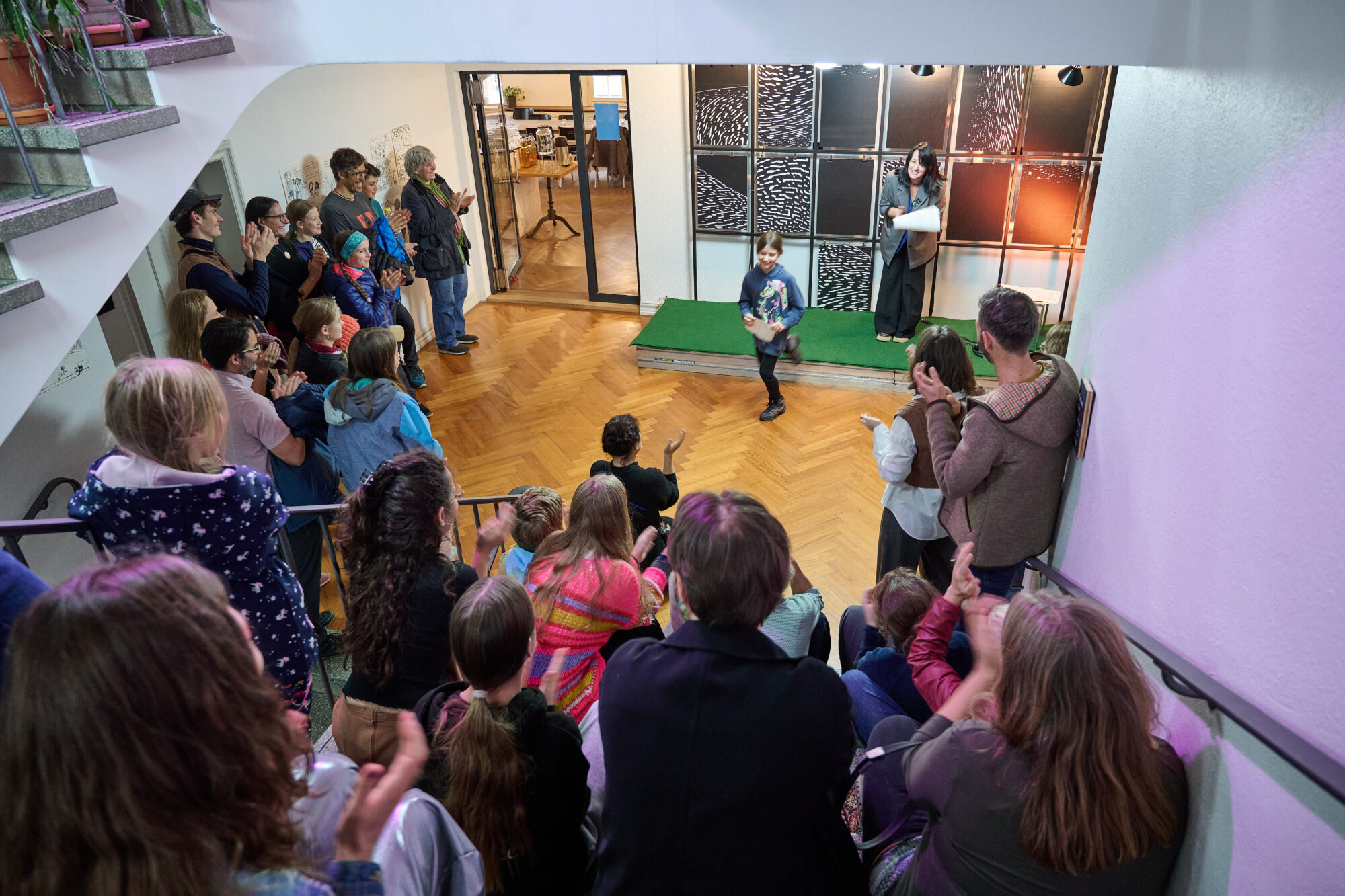
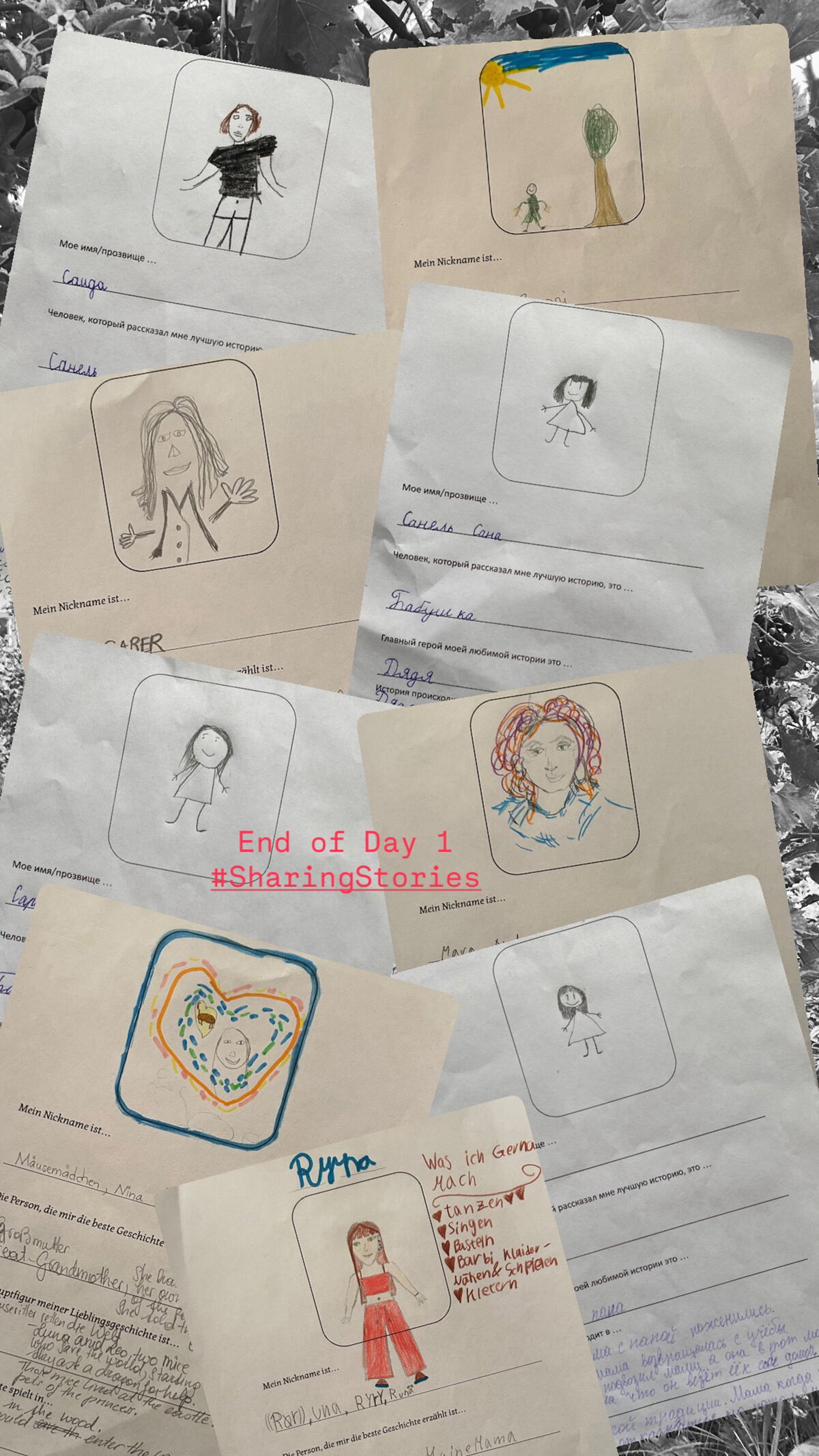
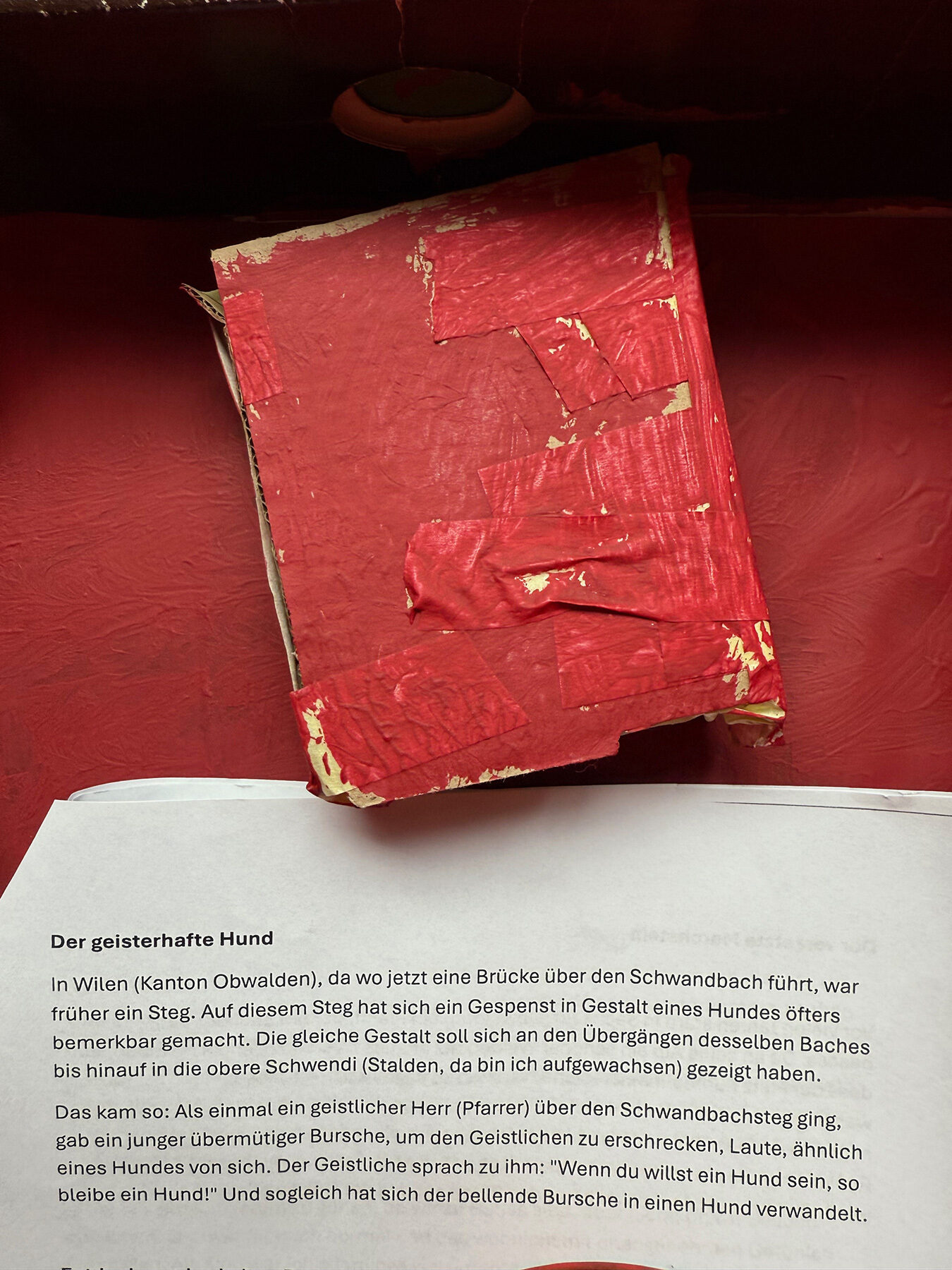
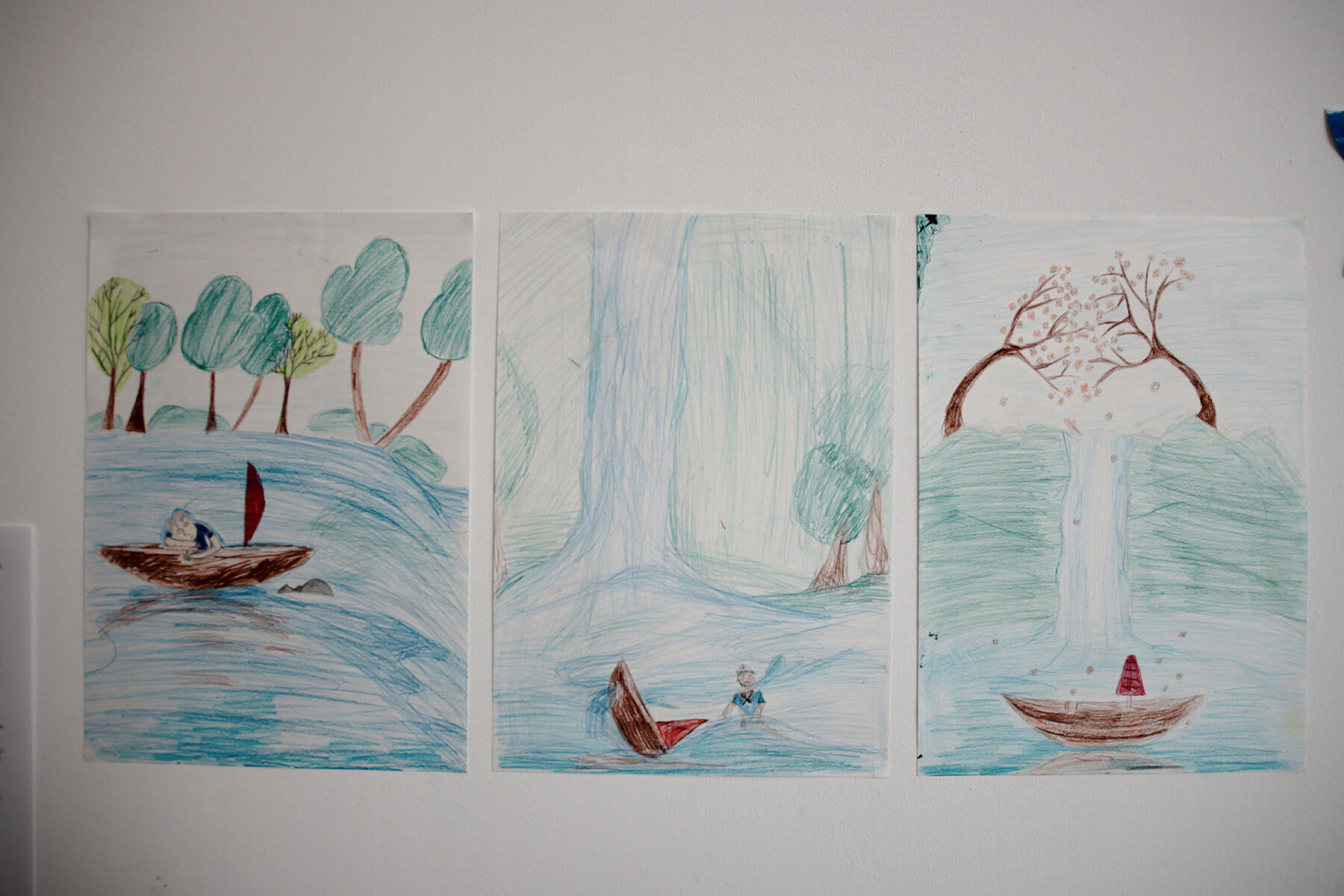
When grandparents tell their grandchildren bedtime stories, a moment of shared presence and attentive listening is created. Sharing Stories aims to explore storytelling, drawing and publishing as artistic tools to promote exchange – both between generations and across borders.
In the first edition of the project series Sharing Stories, we collaborated with the Dogo Residency and the Monterana School in Degersheim and Lichtensteig in October 2024. The project found its continuation in September 2025 in cooperation with the local school in Arasadzikh/i and with SKLAD, an art space in Sukhum/i. In both regions –Toggenburg and Abkhazia1 – local stories were shared in a collaboration between local families, especially children, and the participating group of artists.
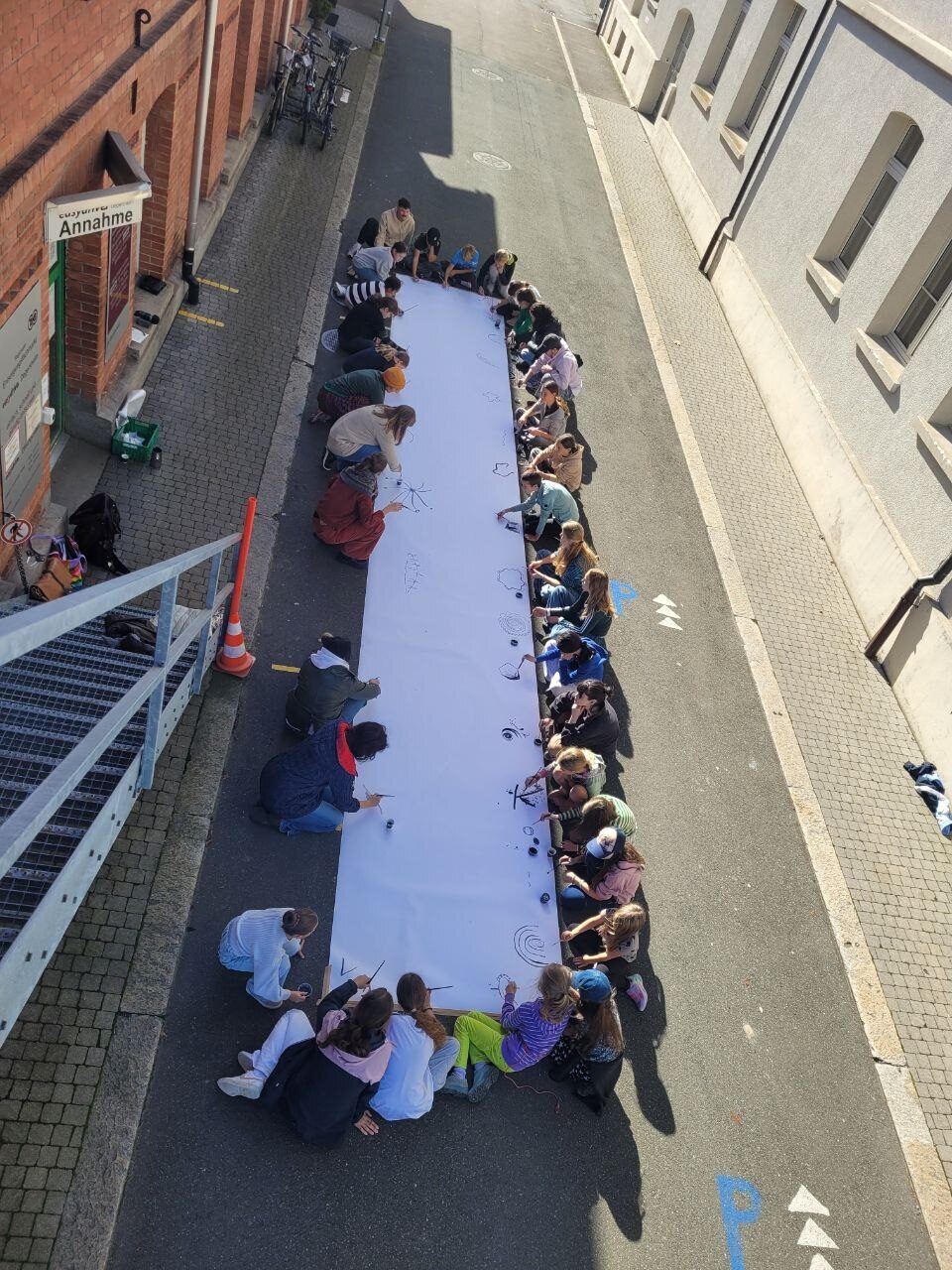
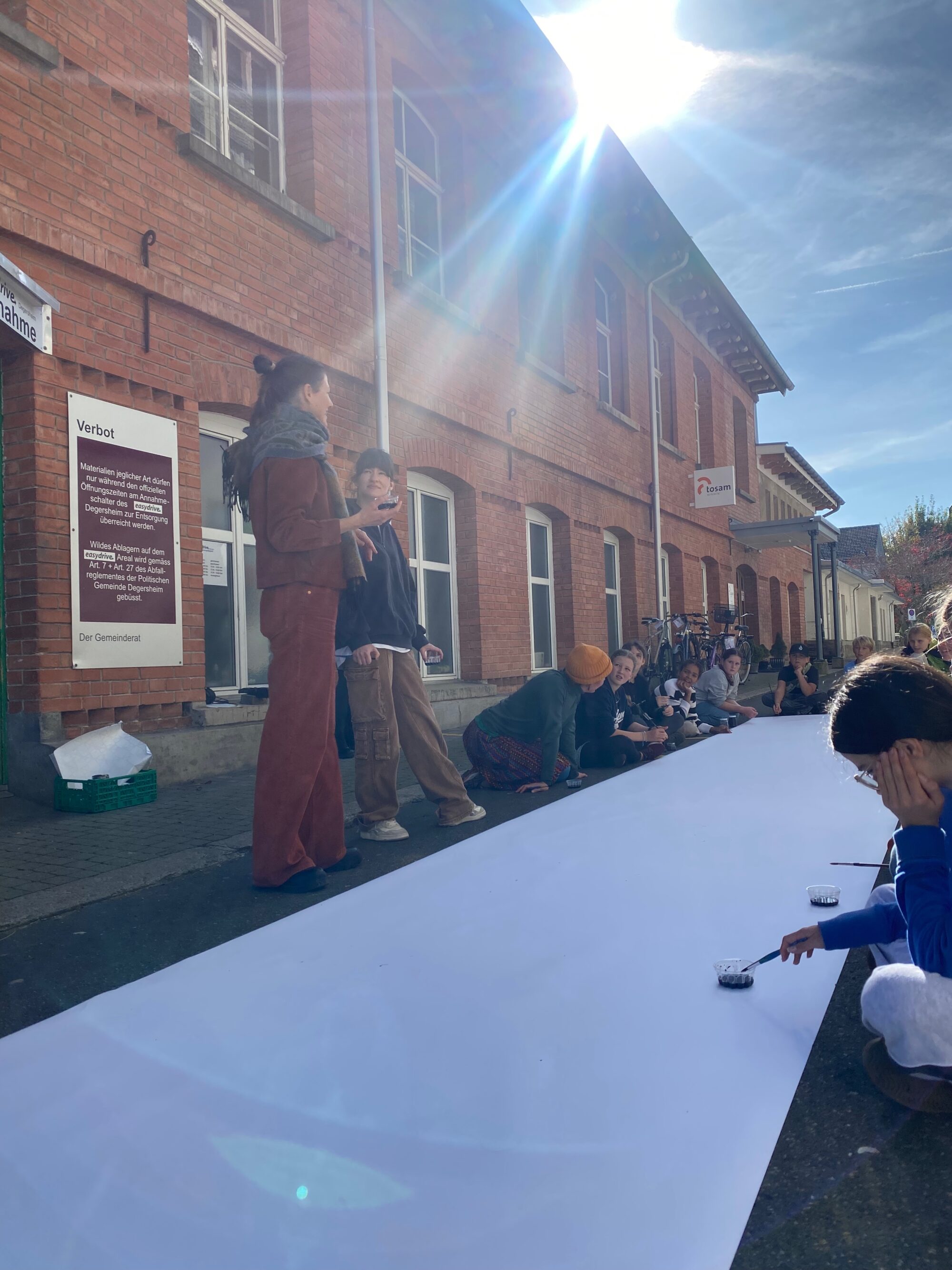
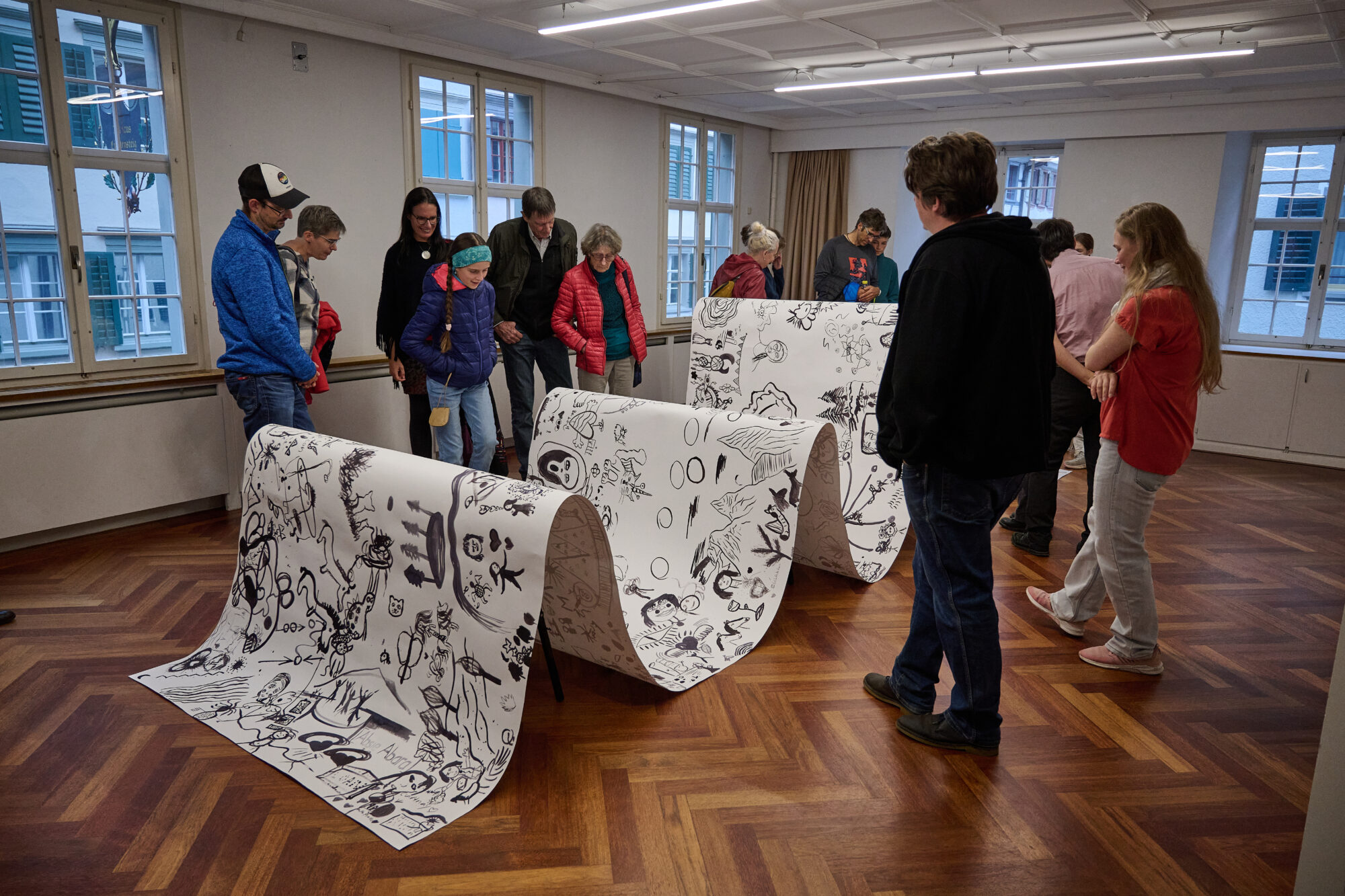
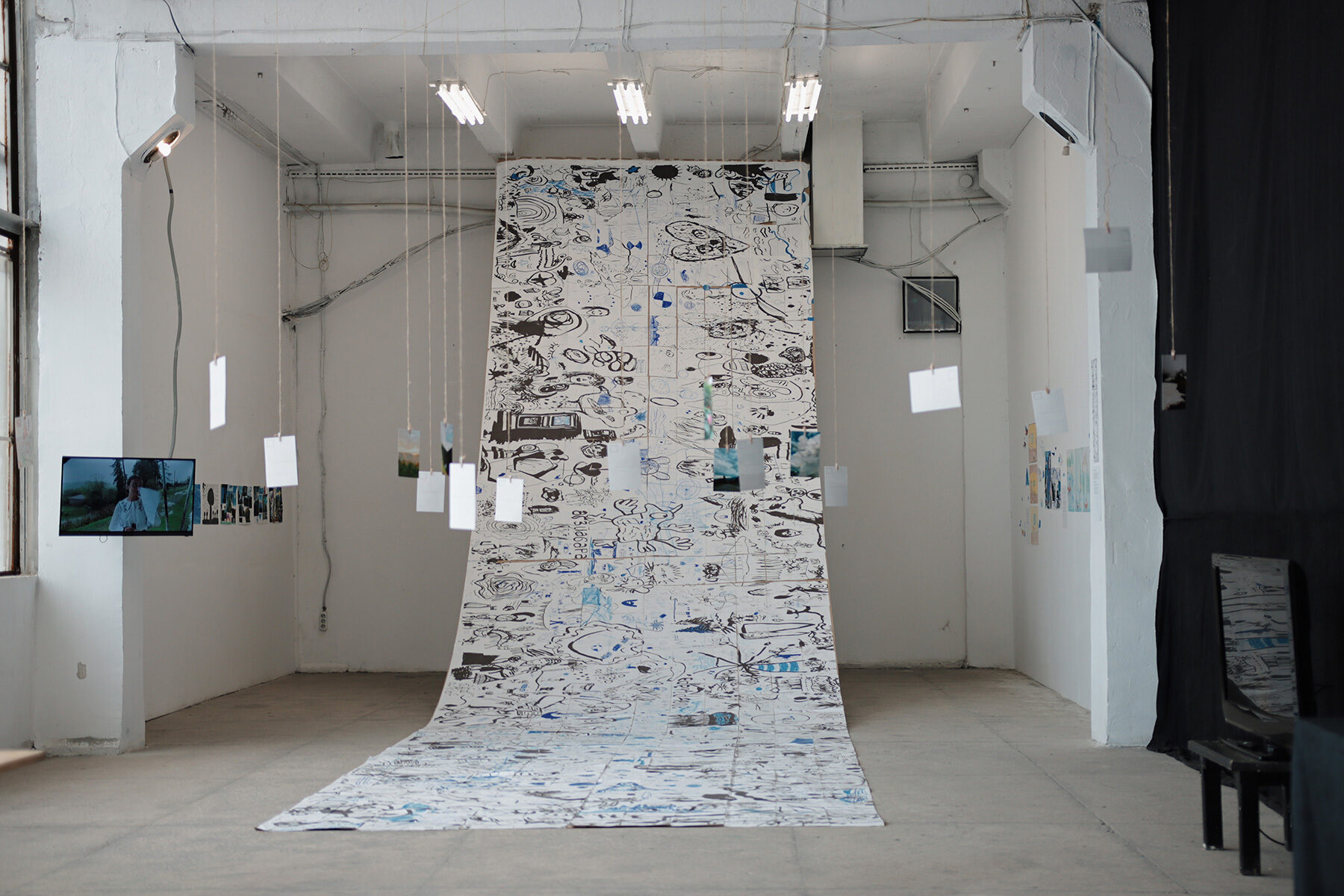
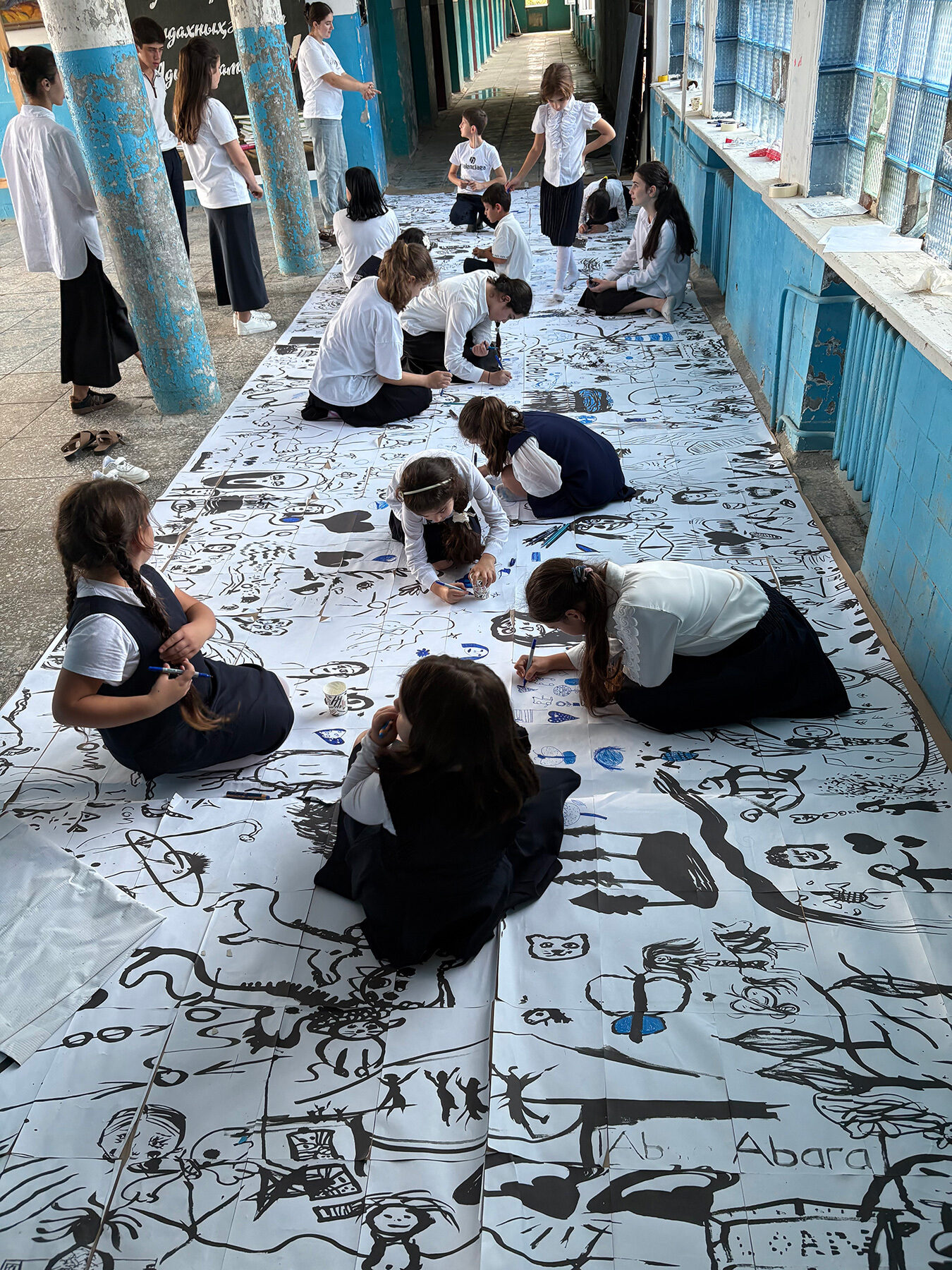
In Degersheim and Lichtensteig, the school children created oral and visual documentation using various methods such as writing, drawing and audio recordings. The results of the first phase with the children of the Monterana School were on display on 26. October 2024 at the Rathaus für Kultur in Lichtensteig. The several meter long collective painting was later exhibited as part of the Artas Community Event at the Kulturbüro Zürich where it remained on display before continuing its journey to Abkhazia in the form of digital scans.
As artists with Swiss passports were unable to travel to Abkhazia, the project expanded into the digital space. These external circumstances prevented the group of artists from collaborating in person during the second phase of the project and required them to work separately in their respective regions. This had a significant impact on the process. The artists developed various strategies for collaboration: workshops were held in parallel, materials were shared and reused, communication was intensified, and the digital space was incorporated through the creation of a website.
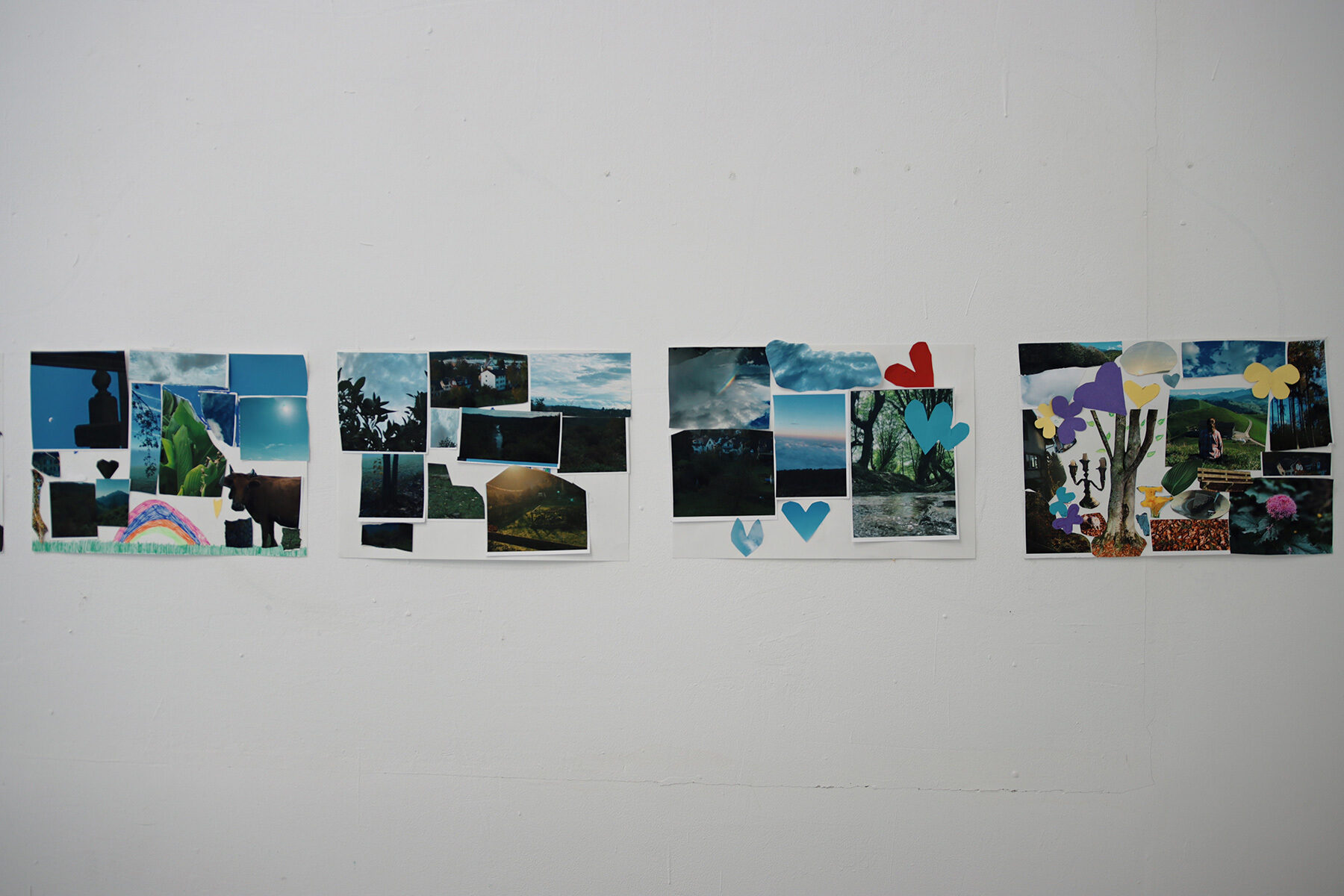
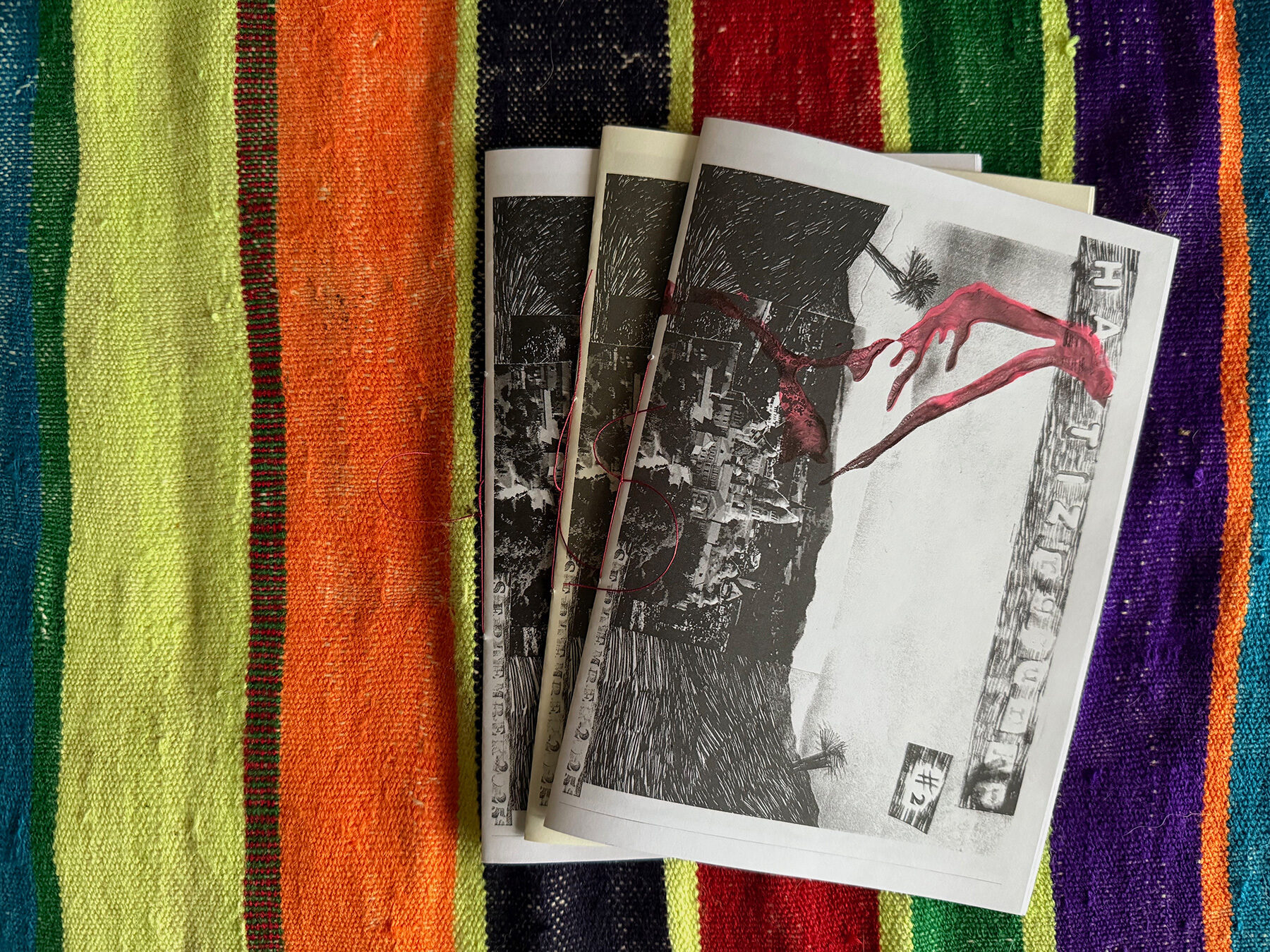
In the second phase, the artistic methods – including writing, drawing, collages, zine-making, and audio recording – were further enriched by a special printing technique and video recordings. These approaches were once again used to create oral, visual, and acoustic documentation. The resulting materials, along with physical letters and small objects, were exchanged between the children, the young people and the artists in both regions, explored, and served as the basis for further artistic work and cross-border exchange.
The overall project was presented on 14. September 2025 at the local art space SKLAD in Sukhum/i, where it was enthusiastically received by a big audience. The exhibition included a collage of scanned fragments of the original several-meter-long wallpaper from Toggenburg, which served as a canvas for the participating school children and was displayed as a large waterfall, inspired by the name of the village Arasadzikh/i.
Place and Year
Toggenburg, Lichtensteig and Arasadzikh/i, 2024–2025
Participating Children
October 2024 (Monterana School, Degersheim)
Anna, Anouk, Arveen, Delia, Emma, Emma, Flavia, Gianna, Josine, Leandra, Leana, Lia, Lina, Loan, Loana, Louisa, Mira, Nael, Nayeli, Nela, Norah, Patrizia, Ronja, Ryuna, Valentin
September 2025 (Arasadzikh/i)
Shabat, Anna, Sofia, Illaria, Saida, Amanda, Bagrat, Akhmat, Milana, Saria, David, Said, Aynar, Murat, Victoria, Vlada, Saria, Naur, Sabina, Esnat, Daur, Valeria, Miranda, Madina, Mirana, Arinda, Kami
September 2025 (Monterana School, Degersheim)
Marina, Louisa, Luisa, Erina, Anna-Lia, Emma, Levio, Ryuna, Aien, Alex, Nina, Jan, Emma, Maira, Lina, Nala, Josine
Artists
Sara Berweger, Claudia Blum (2025), Salima Gerzmava, Maktina Gogiia, Henrik Hentschel (2025), Marcel Hörler, Sabina Kvarcheliya, Olivia Jaques, Lika Nüssli (2024), Alina Shamba, Mara Züst
Project Management
Olivia Jaques (artasfoundation, 2024–2025)
Elena Brülhart (artasfoundation, 2025)
Local Project Management
Maura Kressig (Dogo Residency, October 2024)
Maktina Gogiia (Arasadzikh/i; September 2025)
Evaluation
Piyusha Sumanapala (artasfoundation, 2025)
Partner Organisations
Monterana Schule
Arasadzikh/i Schule
Dogo Residenz
SKLAD
Financial Contribution
Canton of St. Gallen
Kultur Toggenburg
Ernst Göhner Foundation
Temperatio Foundation
¹artasfoundation would like to underline that its use of names and titles particularly in regards to conflict regions should not be understood as implying any form of recognition or non-recognition by the foundation or as having any other political connotation whatsoever.