Re-Thinking Digital Engagement in the Artistic Field
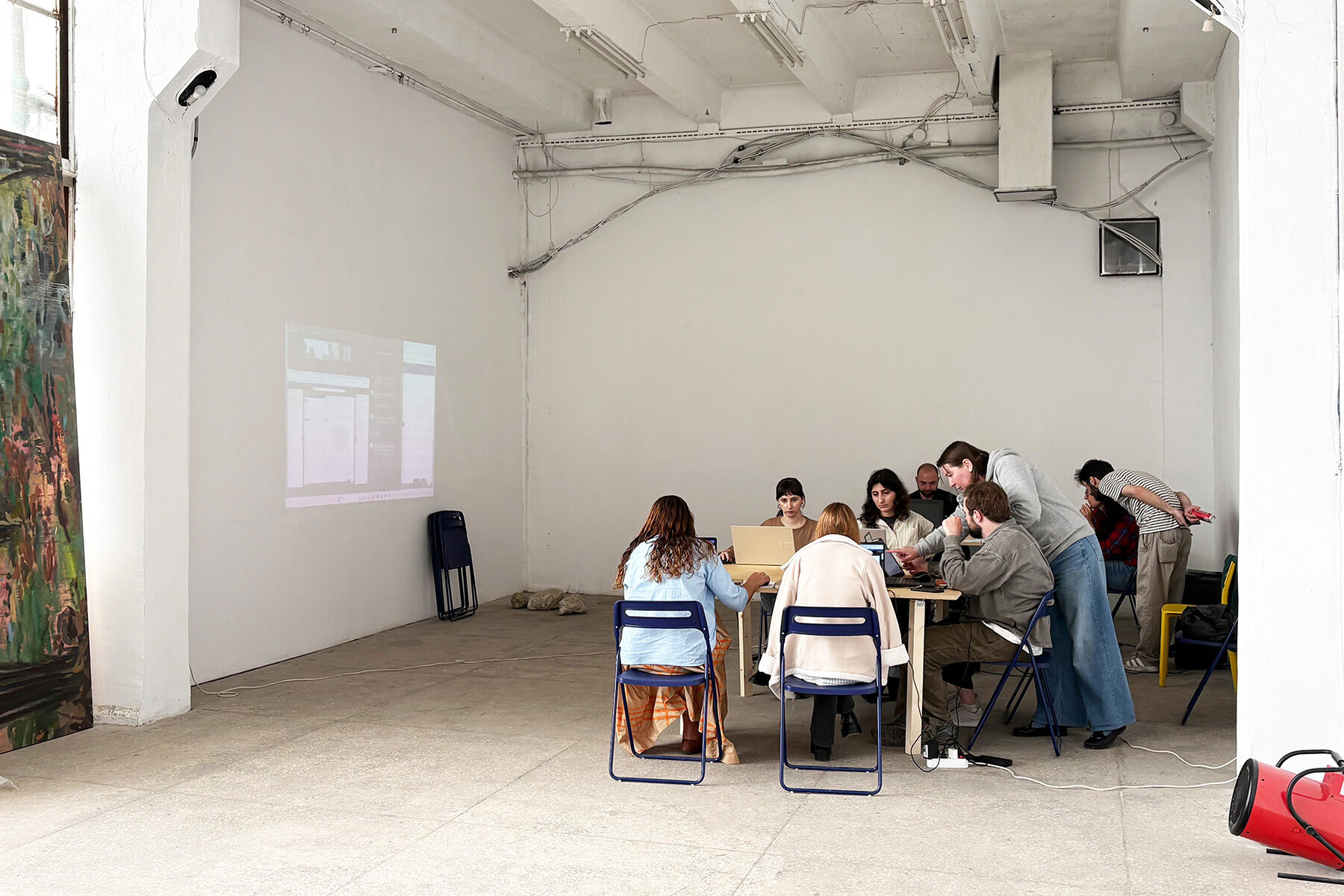
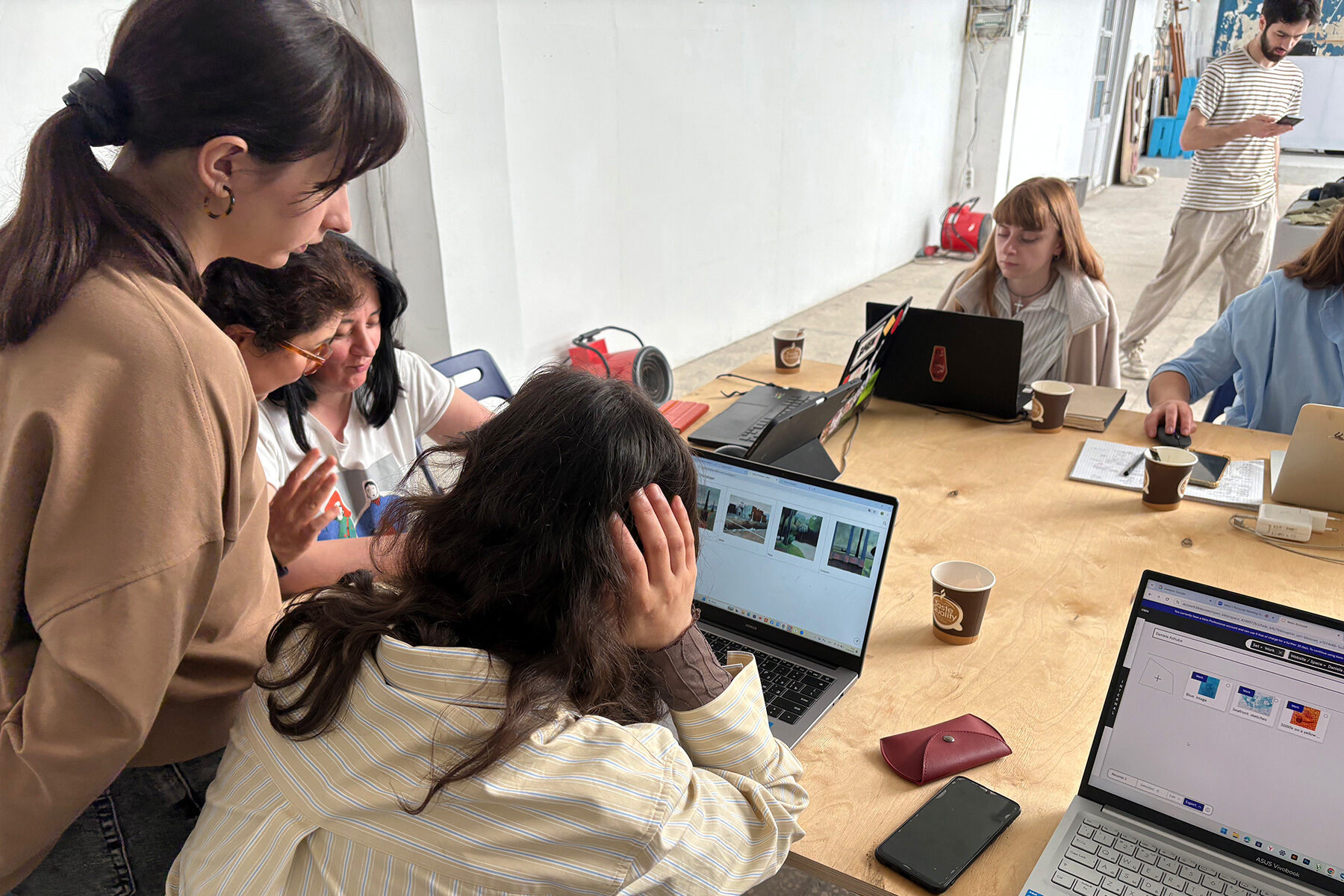
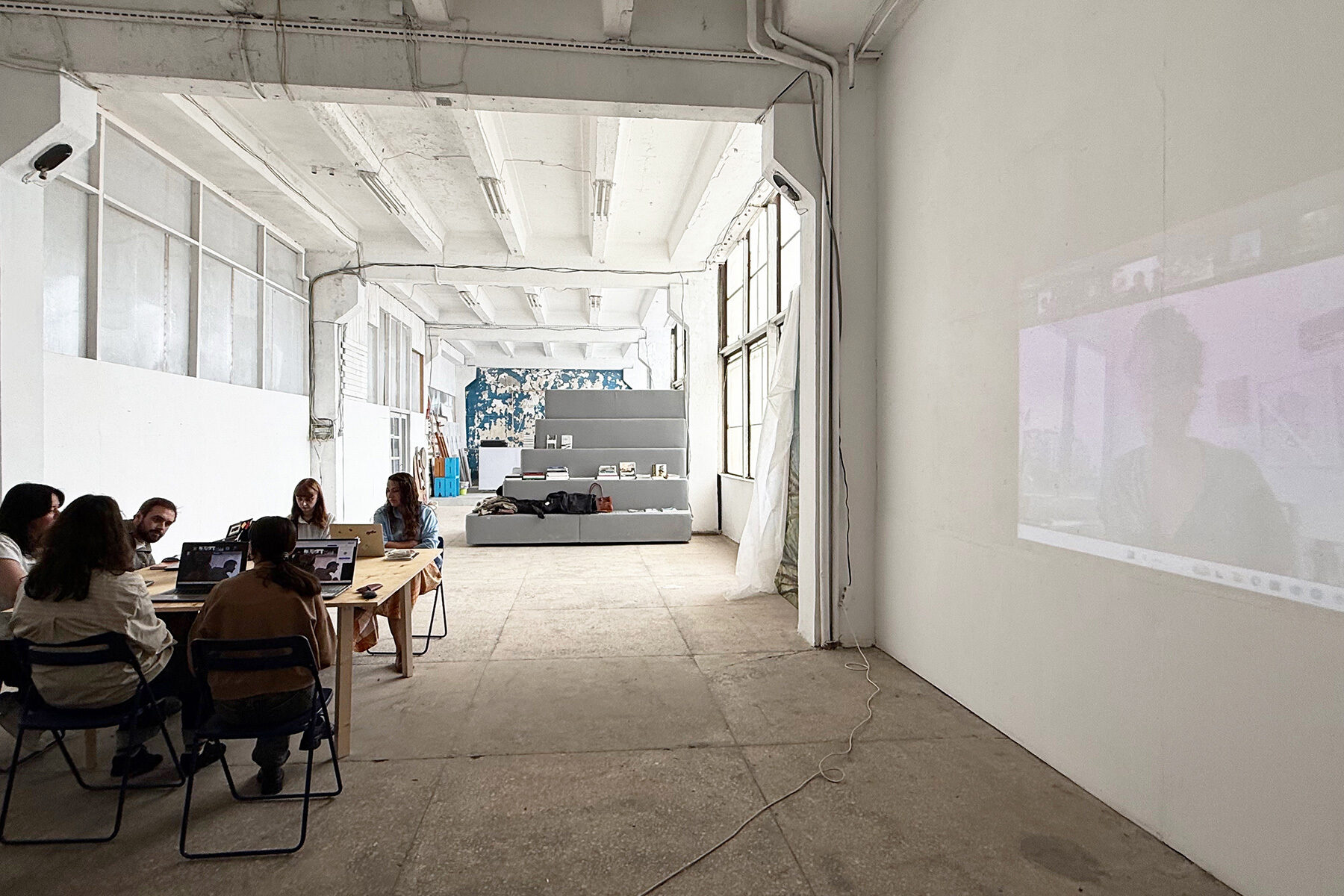
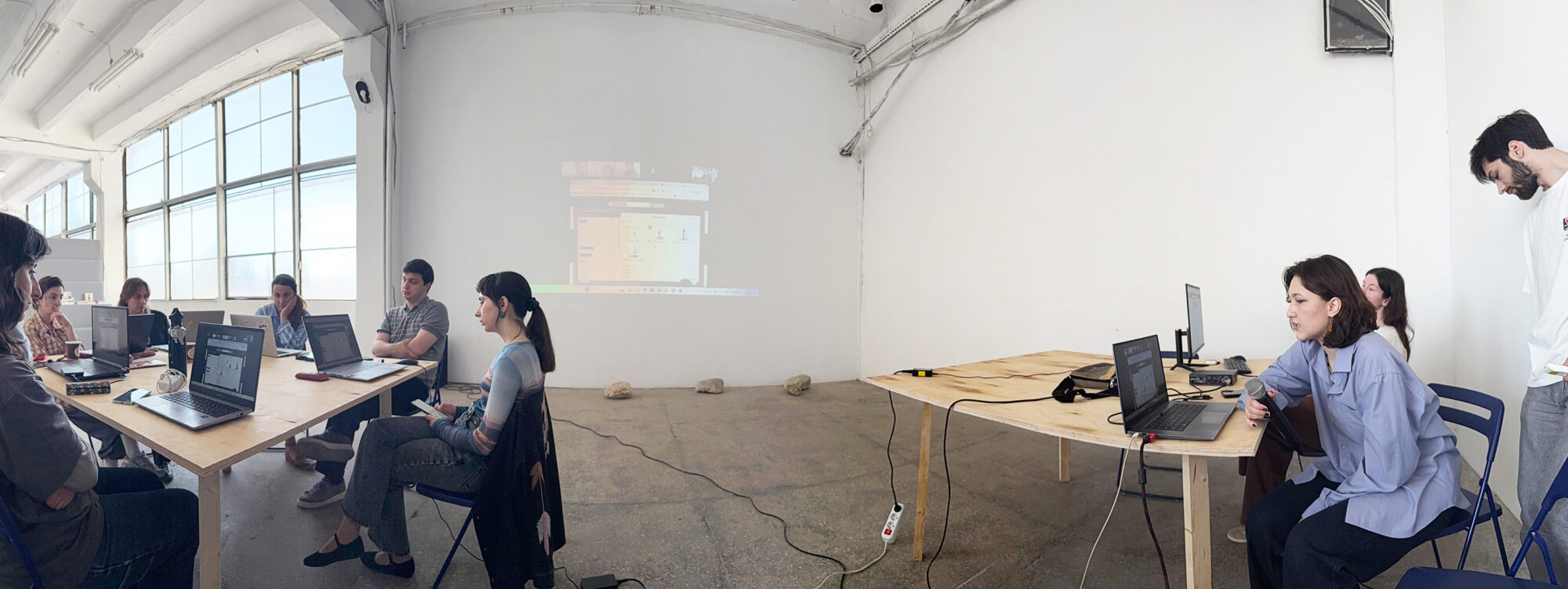
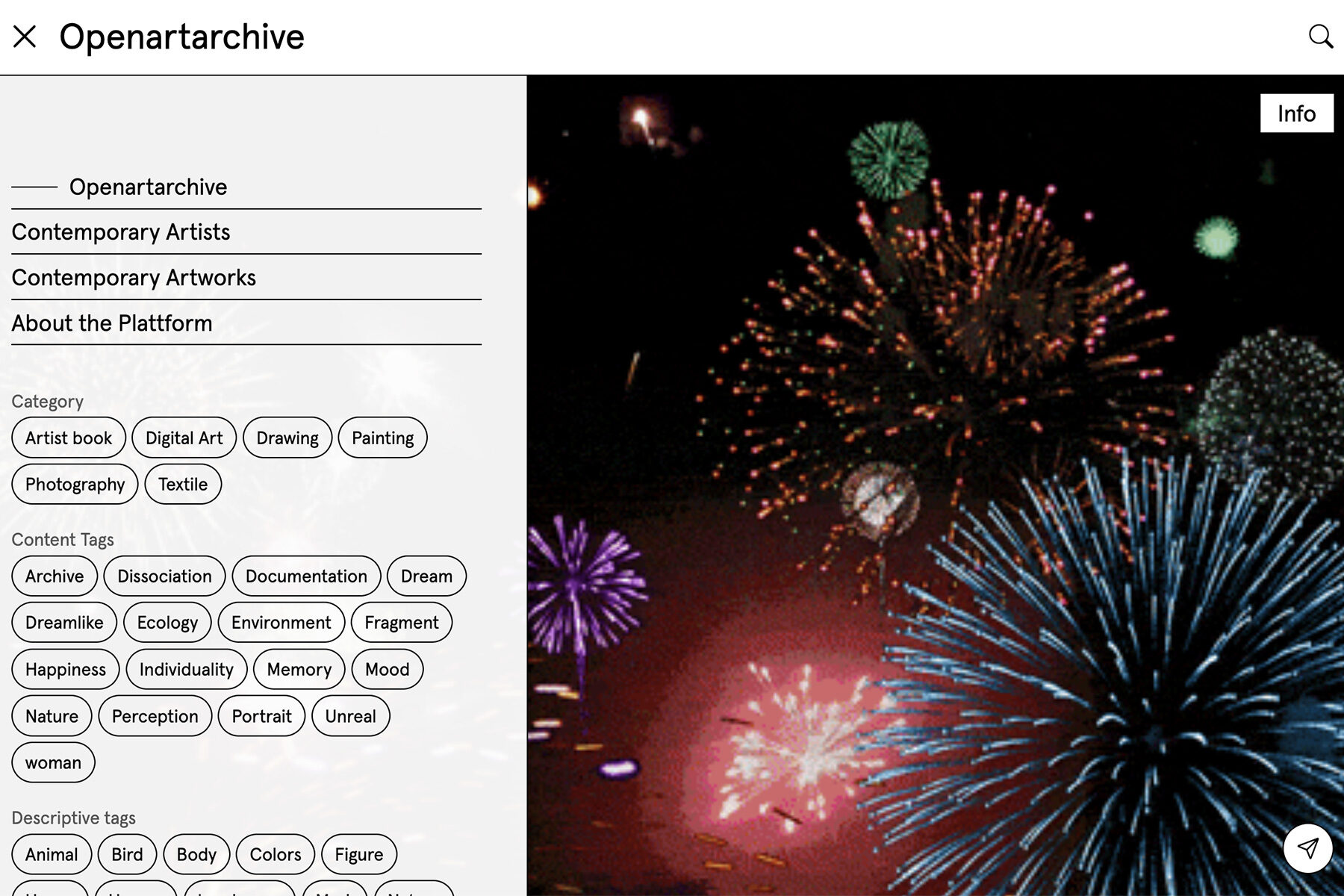
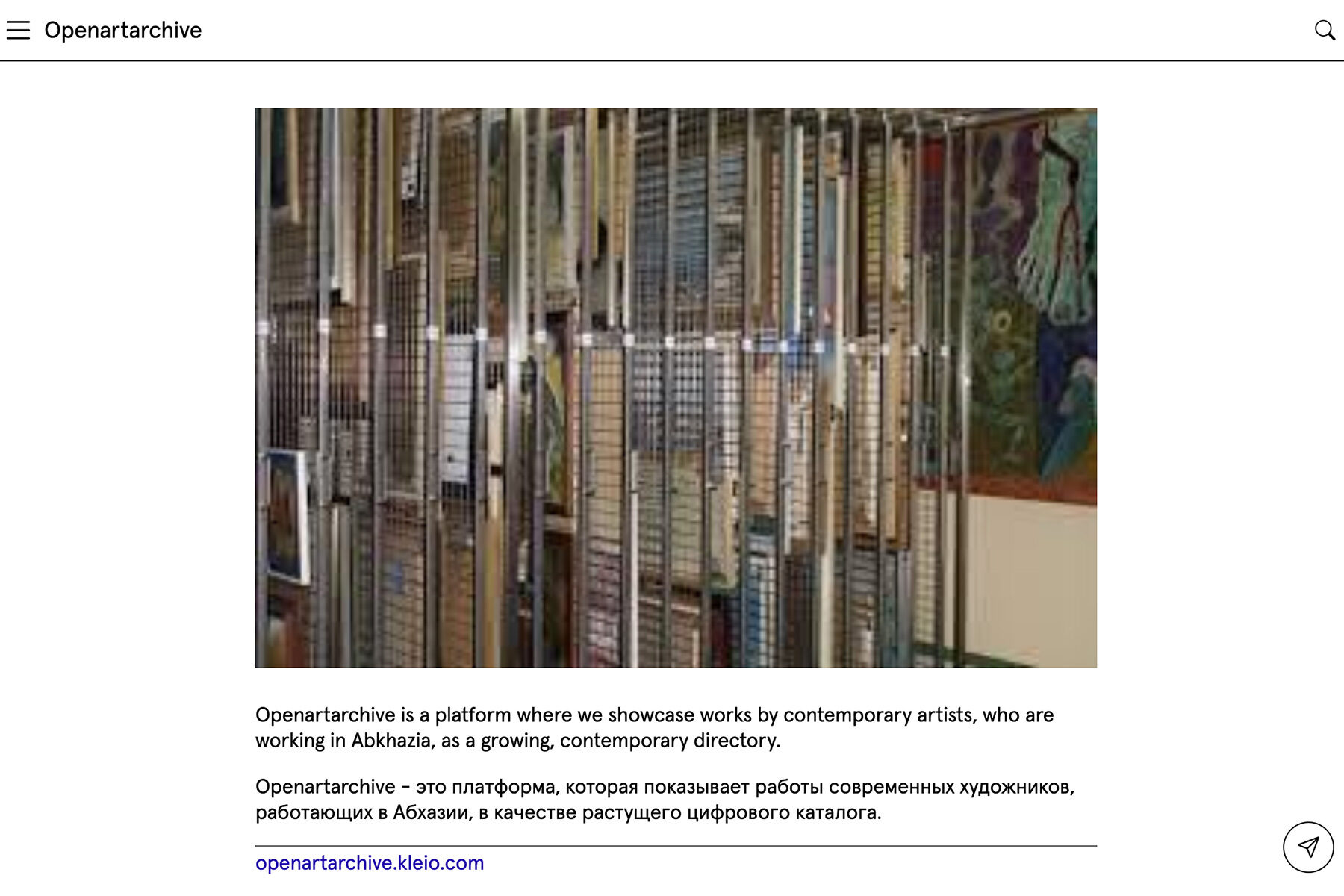
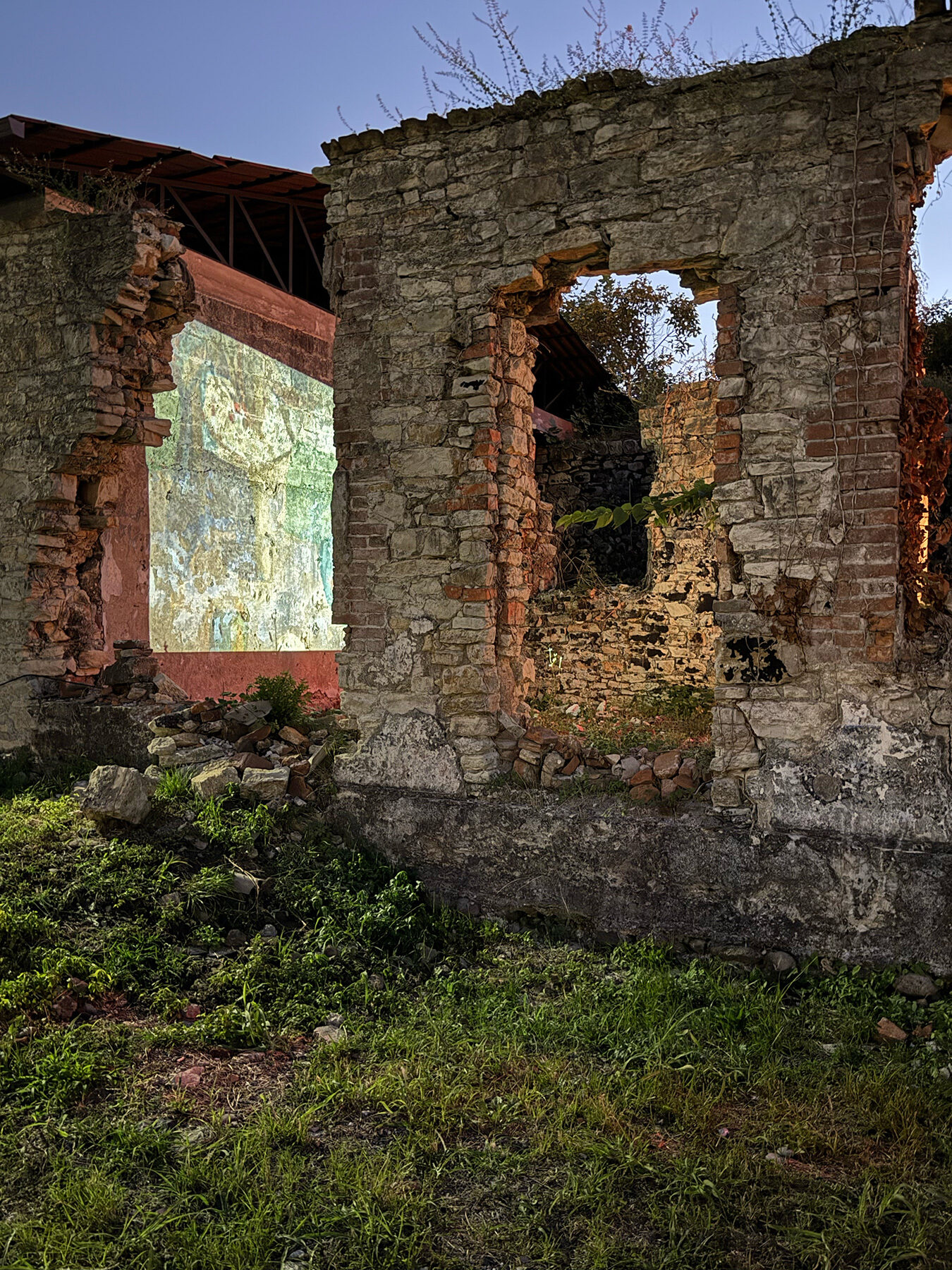
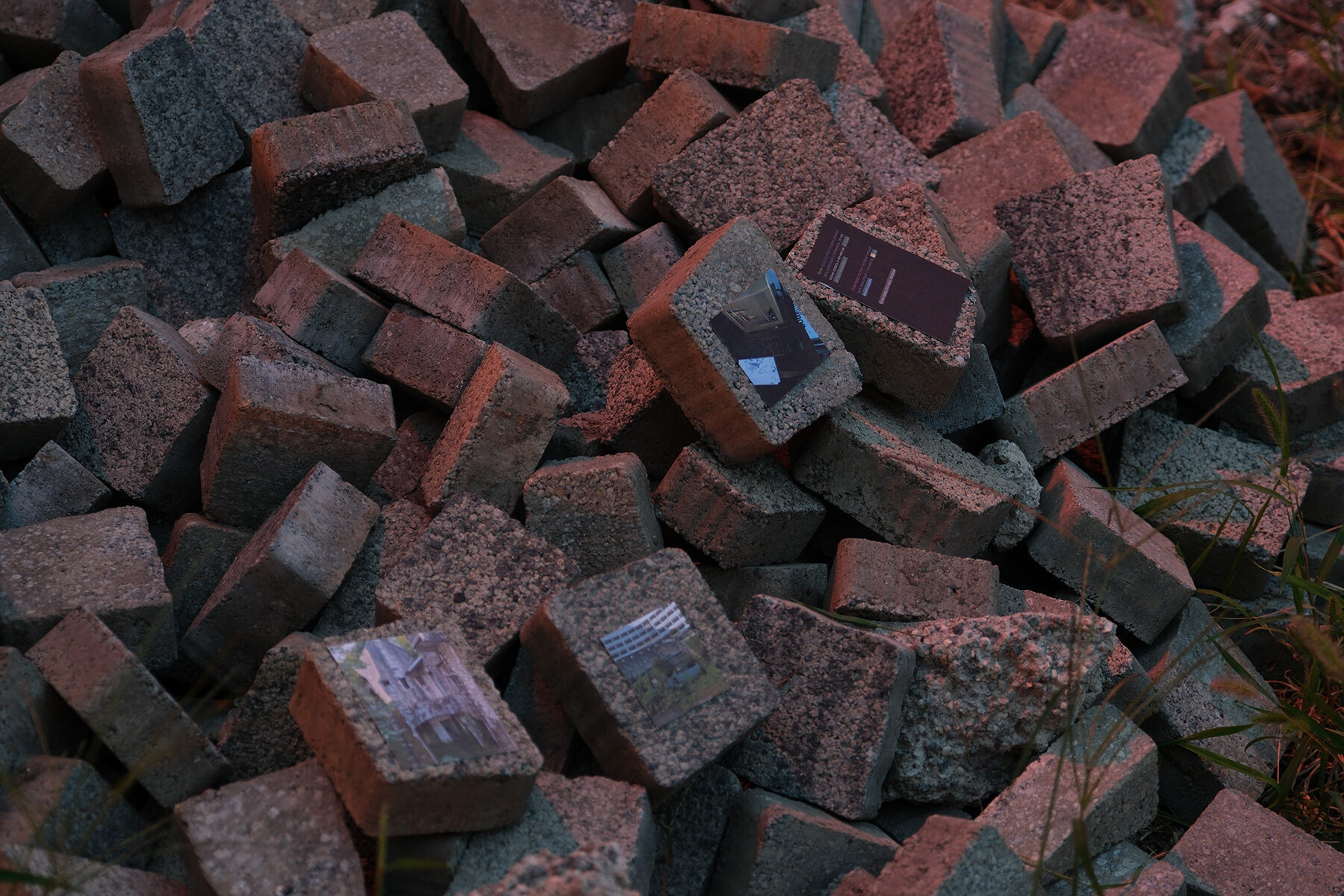
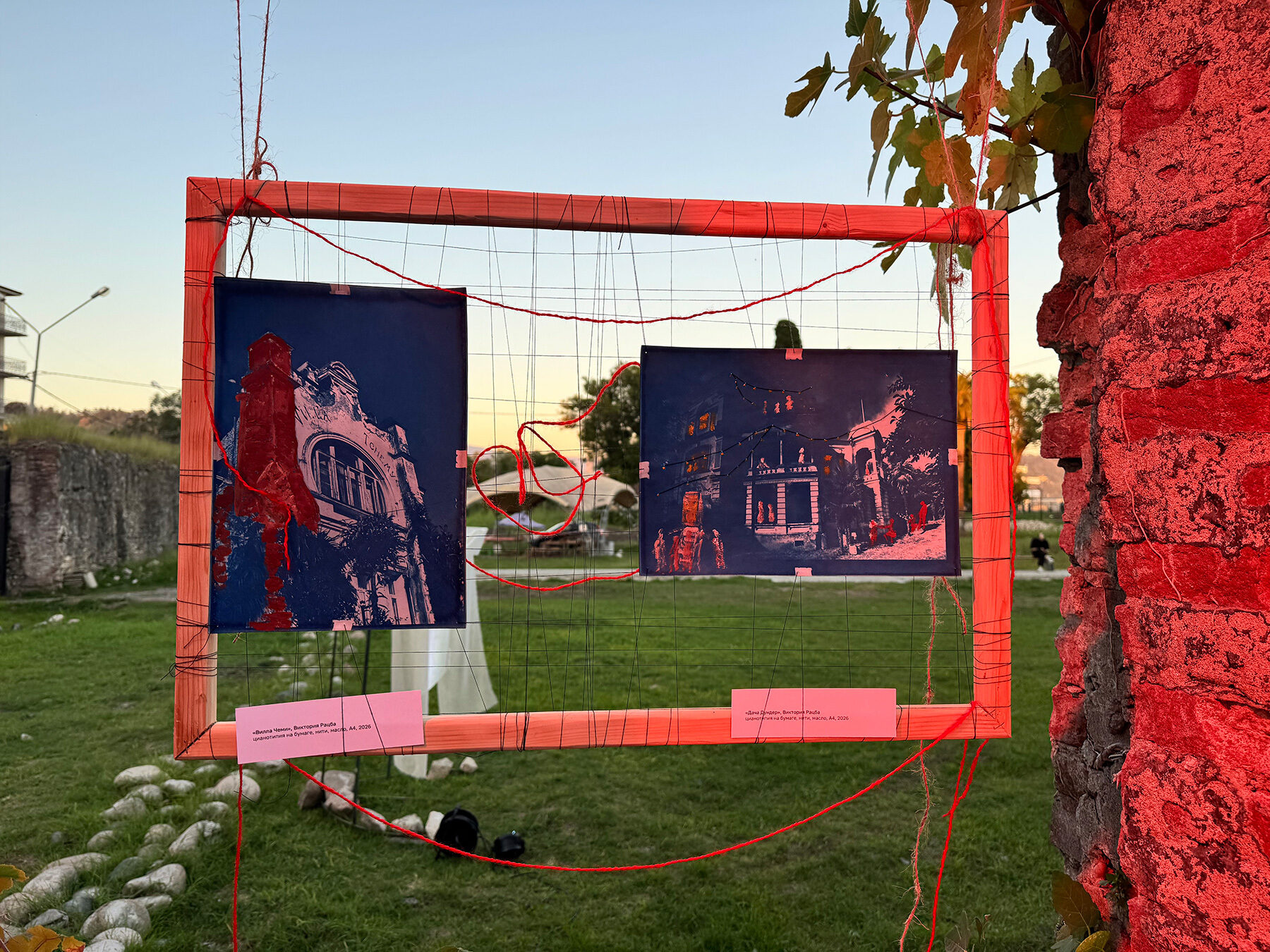
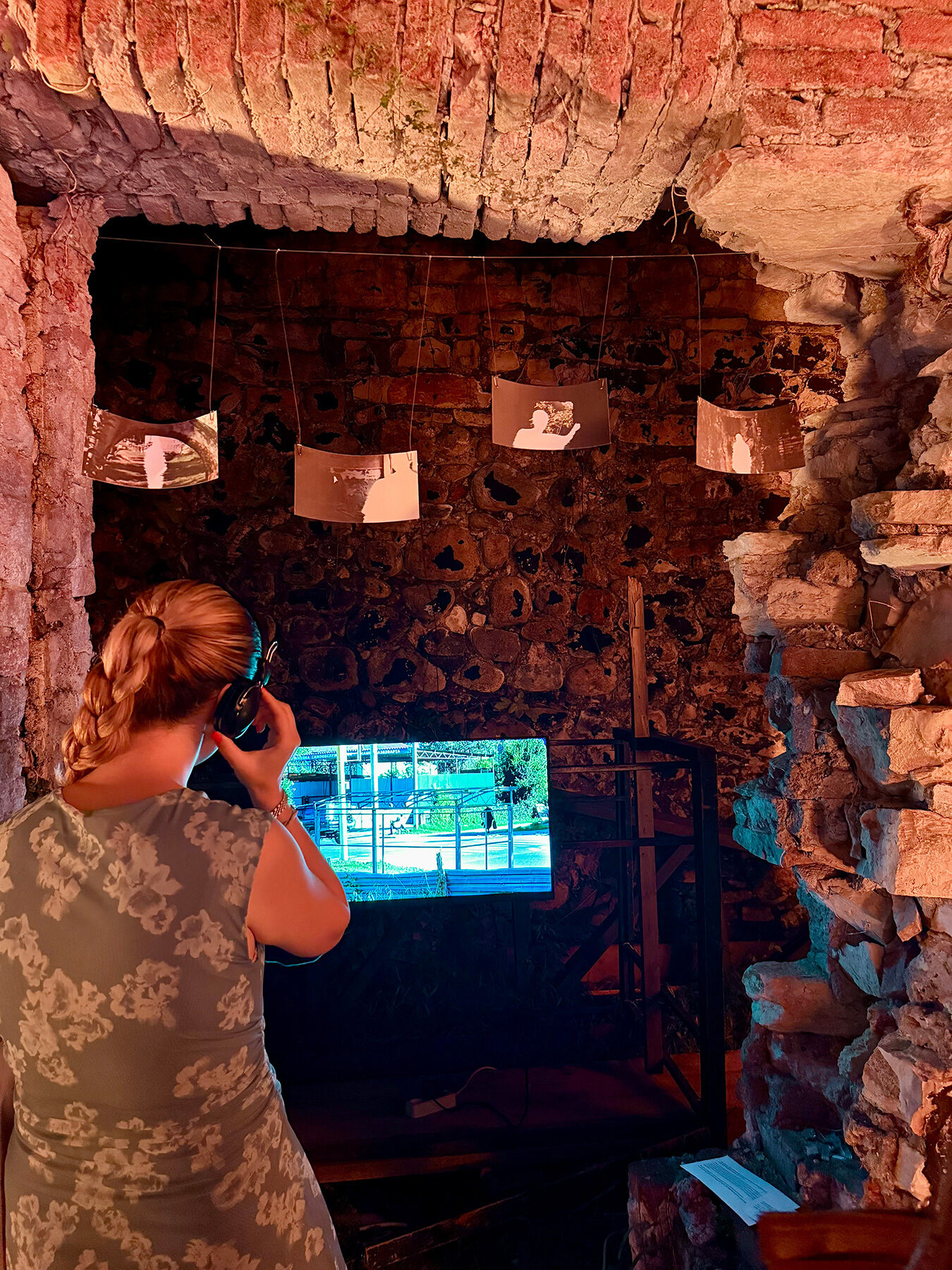
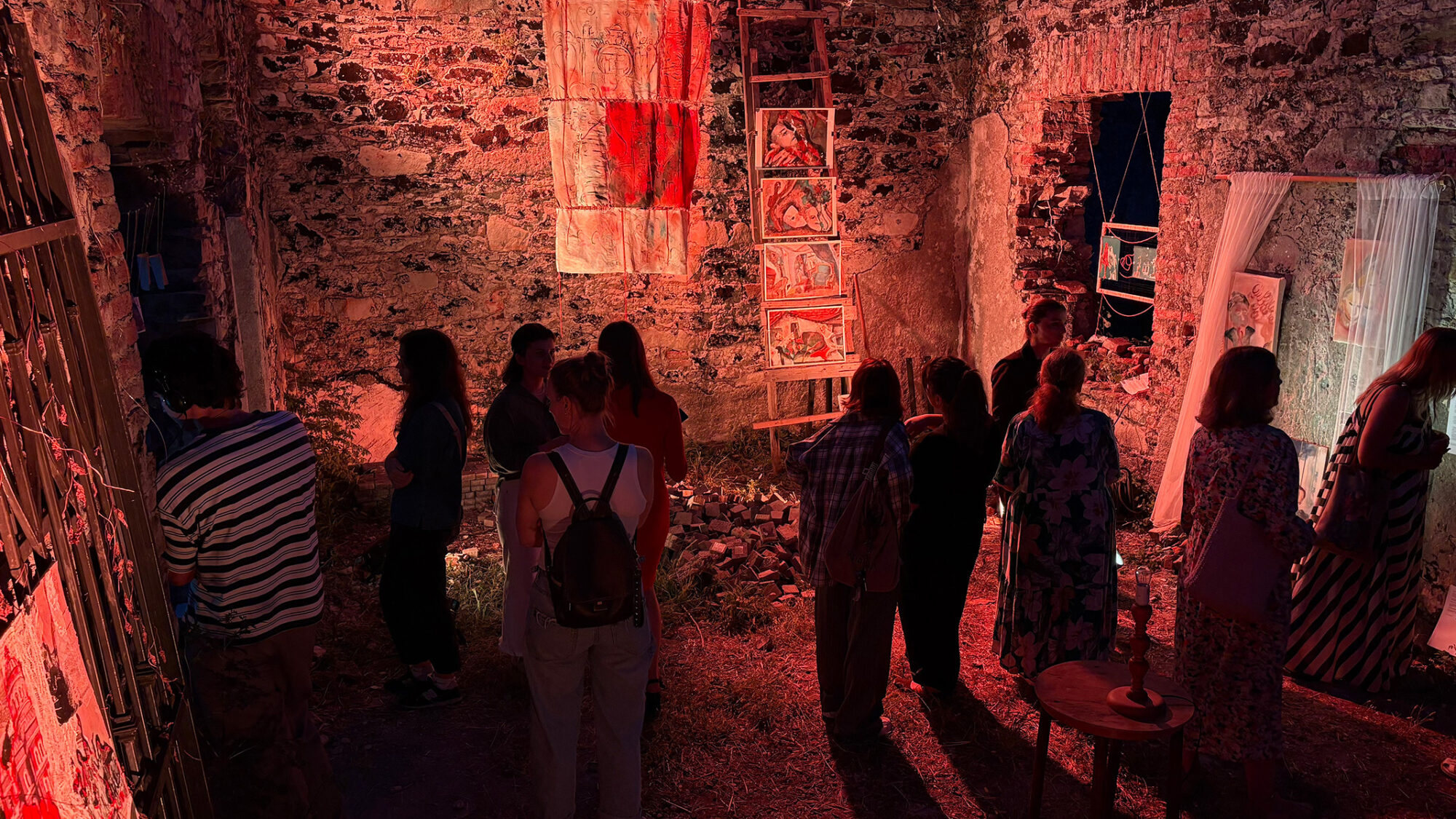
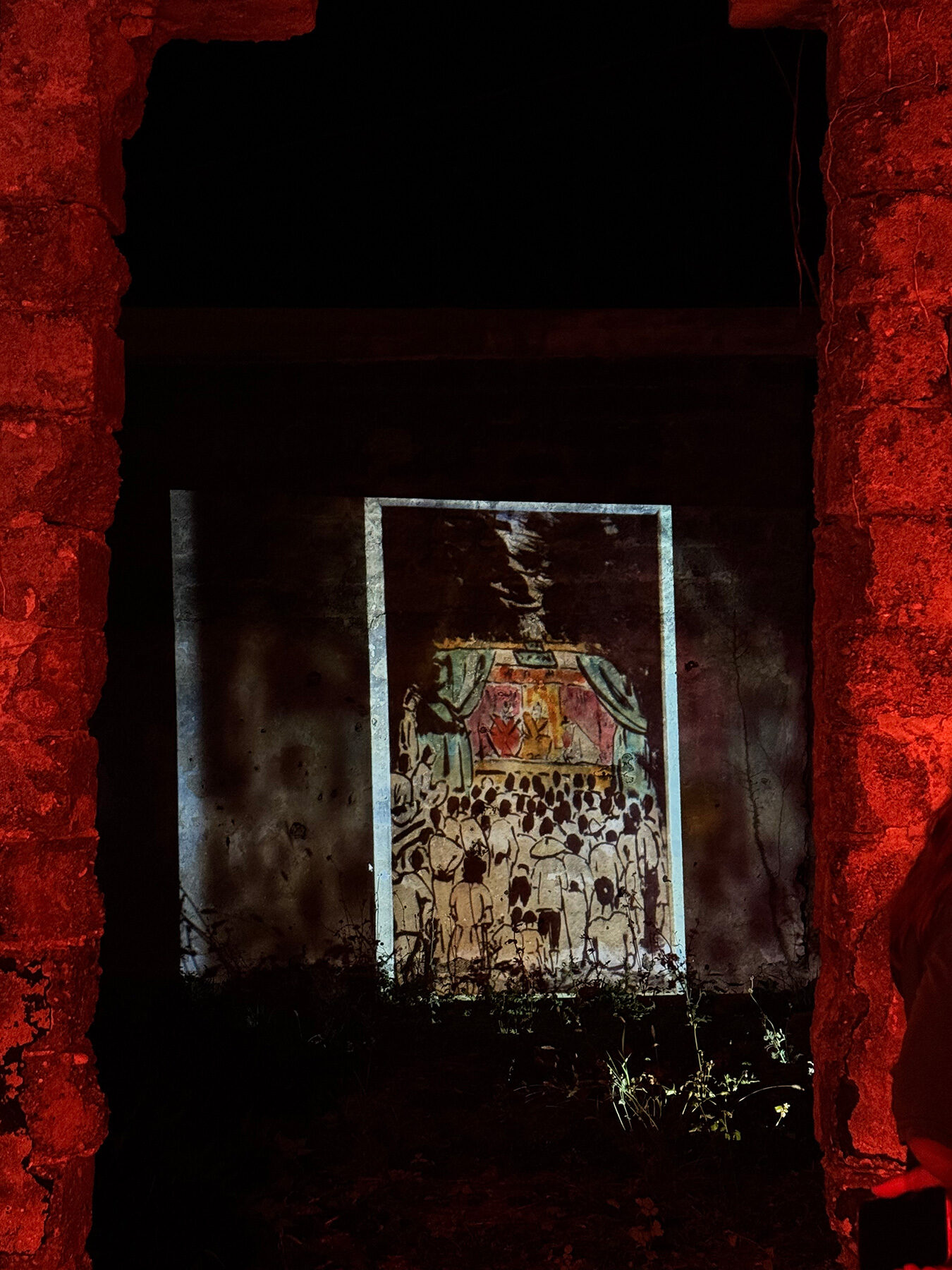
Re-Thinking Digital Engagement in the Artistic Field is a joint artistic project structured into two laboratories, held in May and September 2026 in Sukhum/i1: The first lab focused on establishing a joint digital art platform as well as individual homepages, exhibiting artist’s work to an international public. The second lab explored the artistic possibilities of physical and digital traces, resulting in both a physical and digital exhibition. It also opened up new spaces for cultural engagement, understood as a socially, culturally and historically engaged practice.
Twenty-two participants, selected through an open call, were invited to join two laboratories, which took place in Sukhum/iʼs local art space SKLAD_ and its surrounding public spaces.
Abkhazia1, a region marked by decades of political uncertainty and conflict, remains culturally isolated. Despite the resilience of local artists and cultural actors, the necessary infrastructure for preserving and showcasing local artistic work has yet to be developed. Public access to art, historical reflection, and creative expression is limited by both physical and political boundaries, a situation that is exacerbated by the lack of modern digital tools for archiving and sharing artistic work.
Together with local artists and culturally engaged individuals, artasfoundation explored how to artistically deal with physical and virtual traces through the means of a digital platform. This platform enables systematic digital preservation, public exhibition, and scholarly engagement with and for local art, both past and present.
Lab 1: Creating a Digital Archive – Building a Digital Infrastructure for Artists
(May 2026, 1 week, SKLAD_)
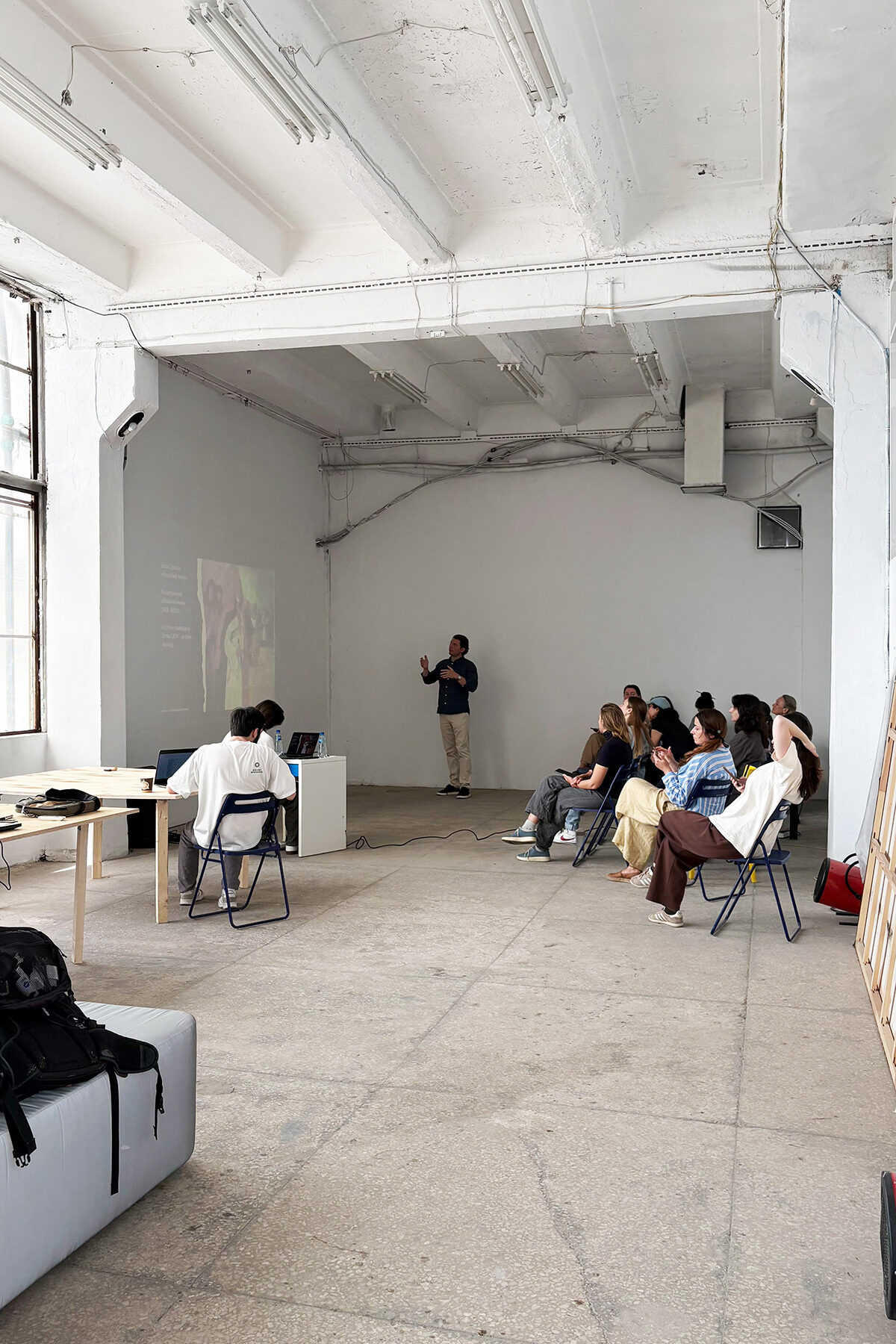
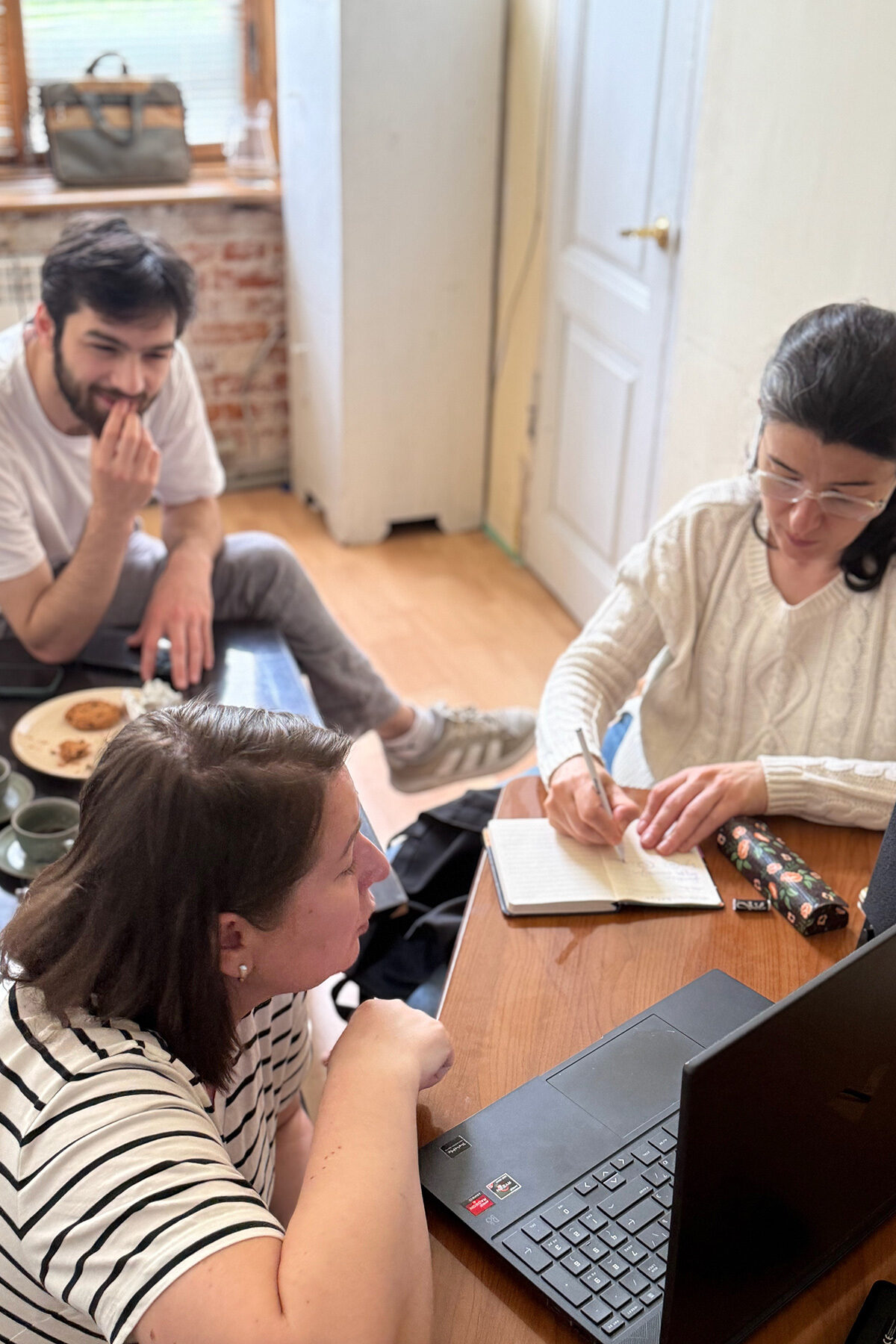
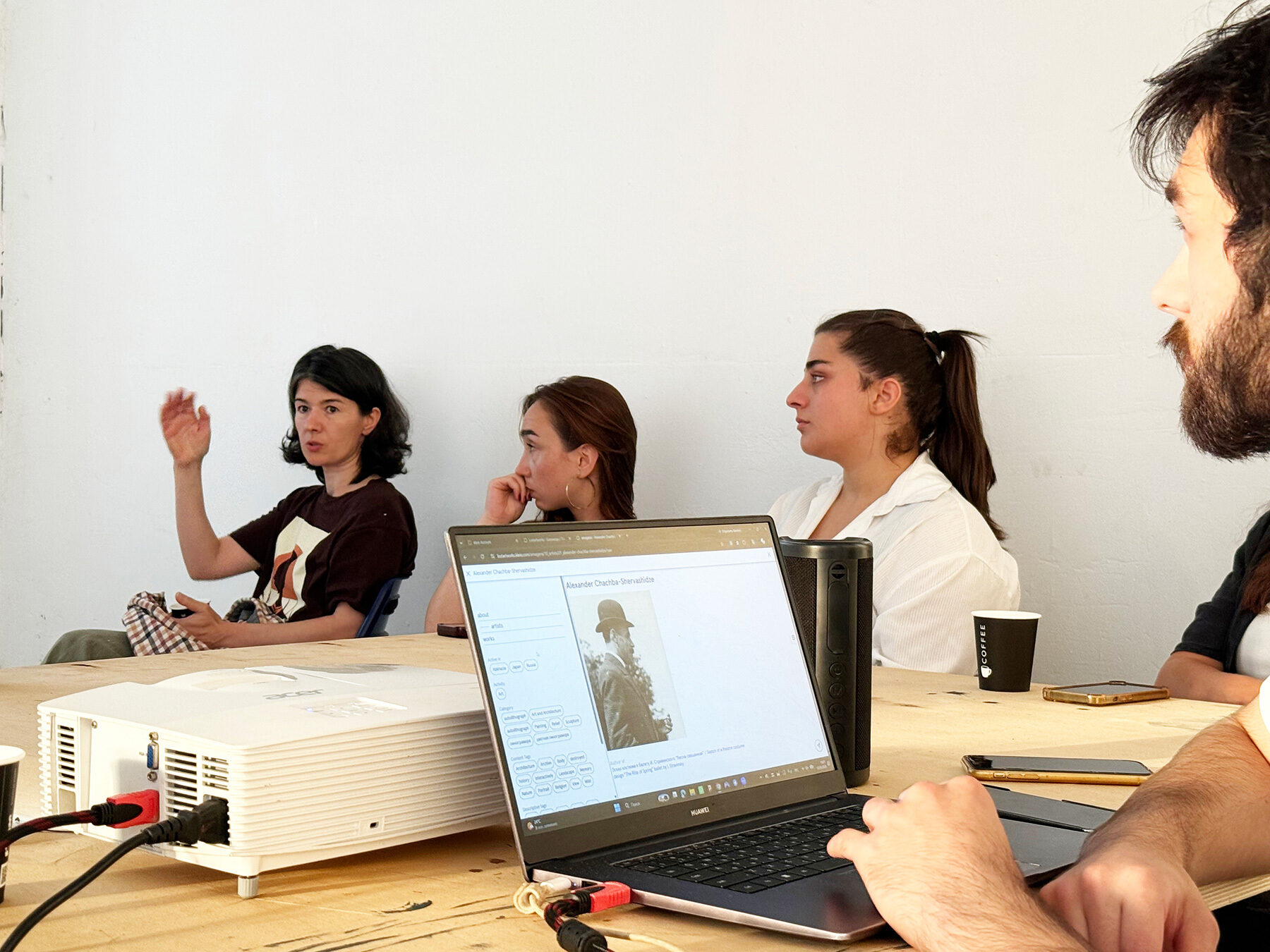
Our first lab focused on the digital infrastructure for preserving and showcasing local contemporary and historical artworks. We worked on digital archiving, creating public access, and presenting it on a digital platform, namely the platform kleio presented and introduced by its creator, Anina Schenker.
kleio is a tool for easy and professional documentation of works, projects, processes, and the people involved. Once captured – with image, sound, and text – it creates a digital working archive that not only preserves context but is also effortlessly searchable and filterable.
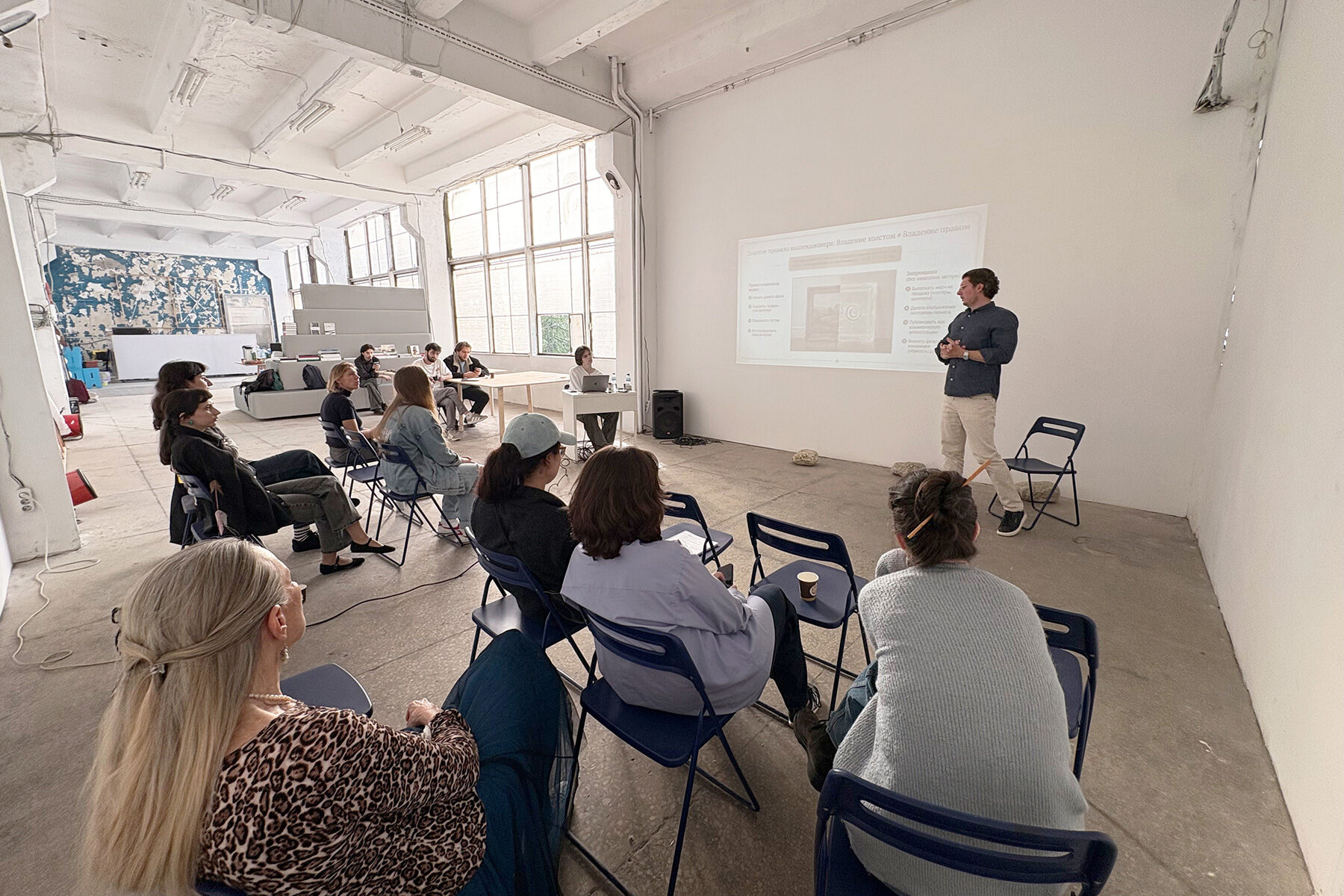
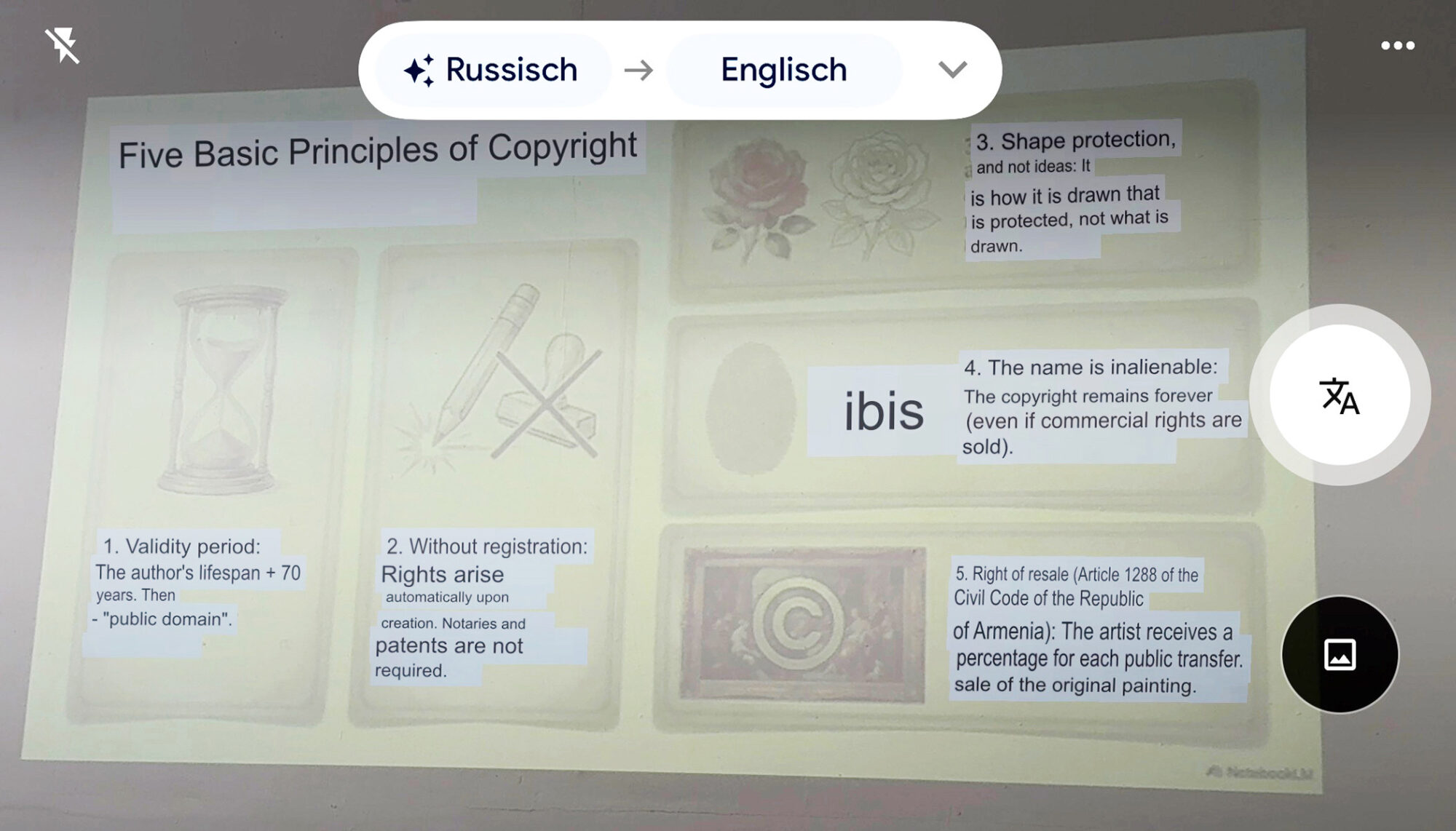
The participants were granted free access to the platform. They set up their own individual artist homepages as well as personal digital archives. Additionally, a local lawyer introduced topics related to copyright and image rights, as questions concerning artistsʼ rights are currently emerging.
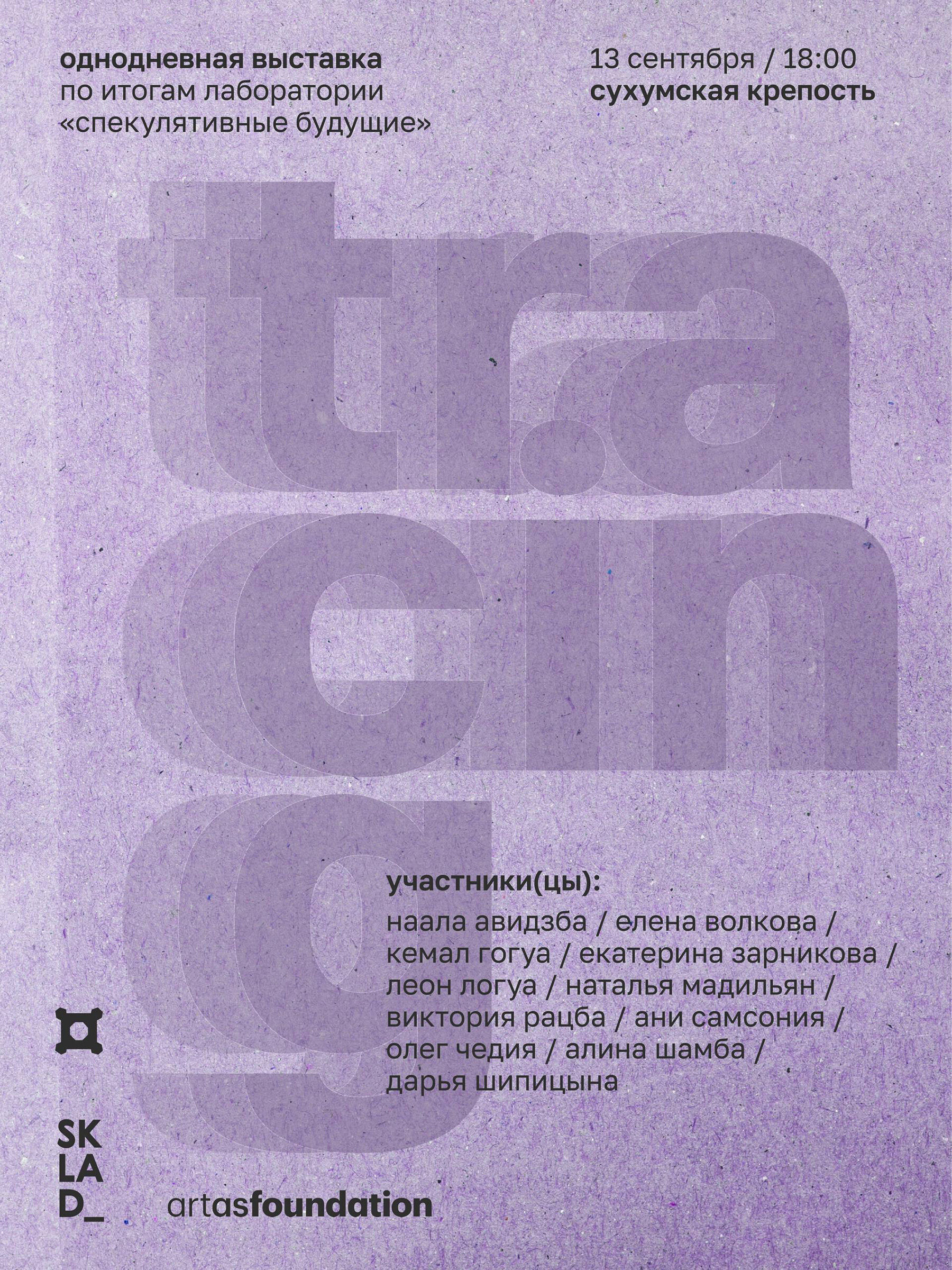
Lab 2: Speculative Futures – Digital Platforms, Encounters, and Curation: On the Re-Activation of Traces
(September 2026, 1 week, SKLAD_, Sukhum/i Fortress, and public space)
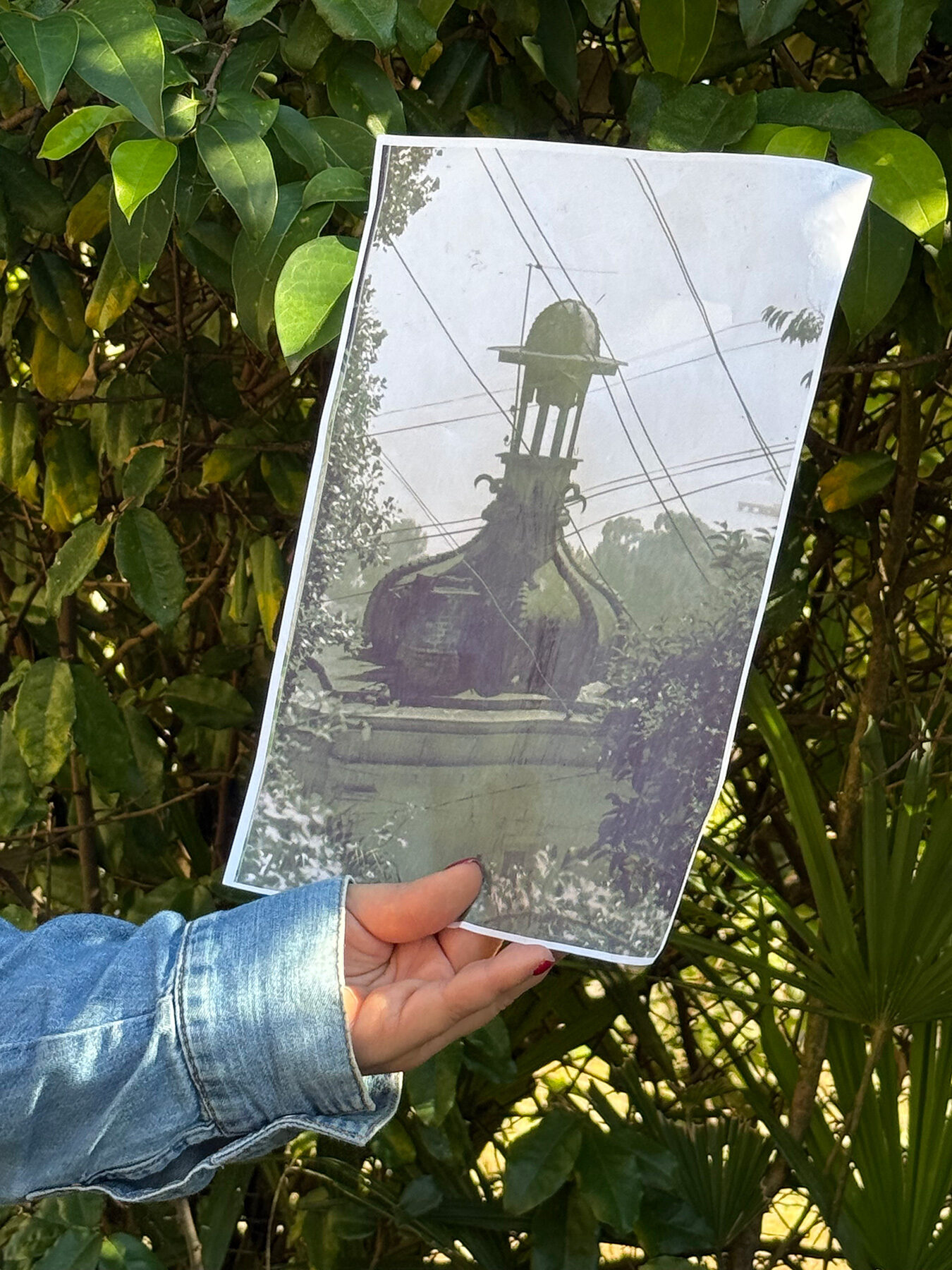
The second lab started with two public events: The digital platform Amagana presented its work on researching and digitally archiving historical paintings. Furthermore, architects Sabina Agrba and Lana Chkhindzheria led a tour through Sukhum/i, highlighting architectural traces and discussing the various ways historical buildings have been restored (or not) and how they have transformed over time.
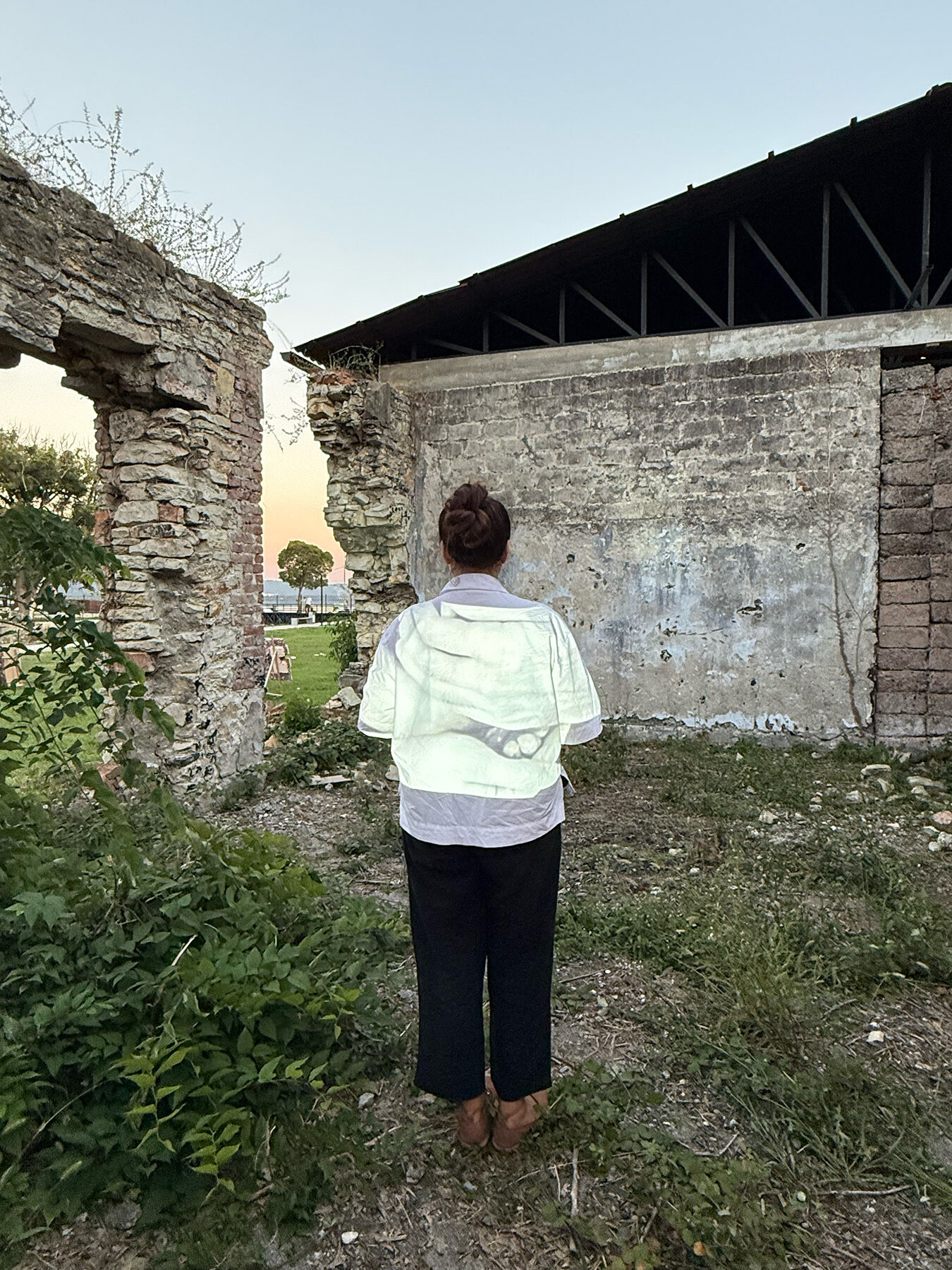
In the second lab, the participating artists were encouraged to explore digital and physical traces through various artistic means.
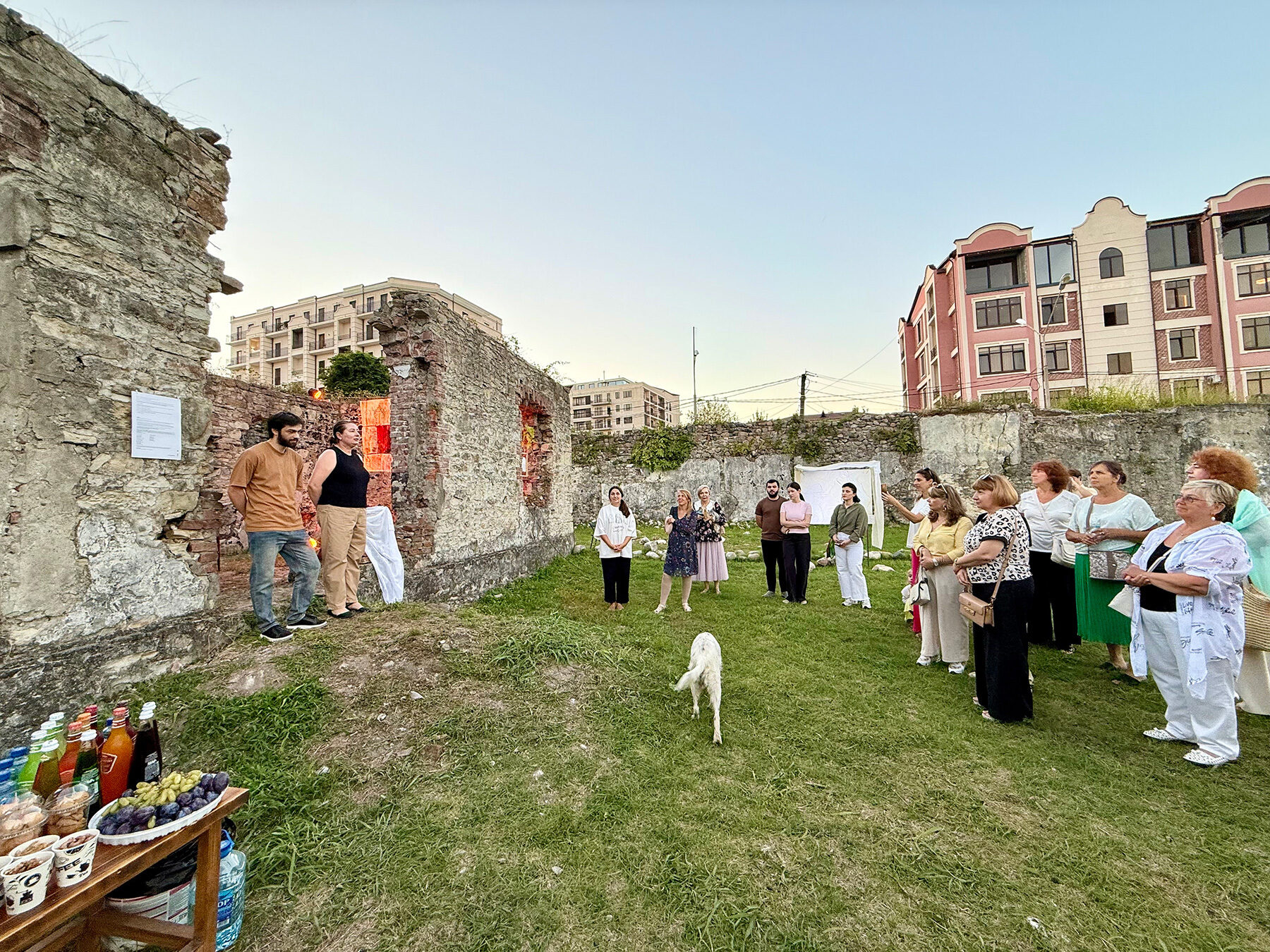
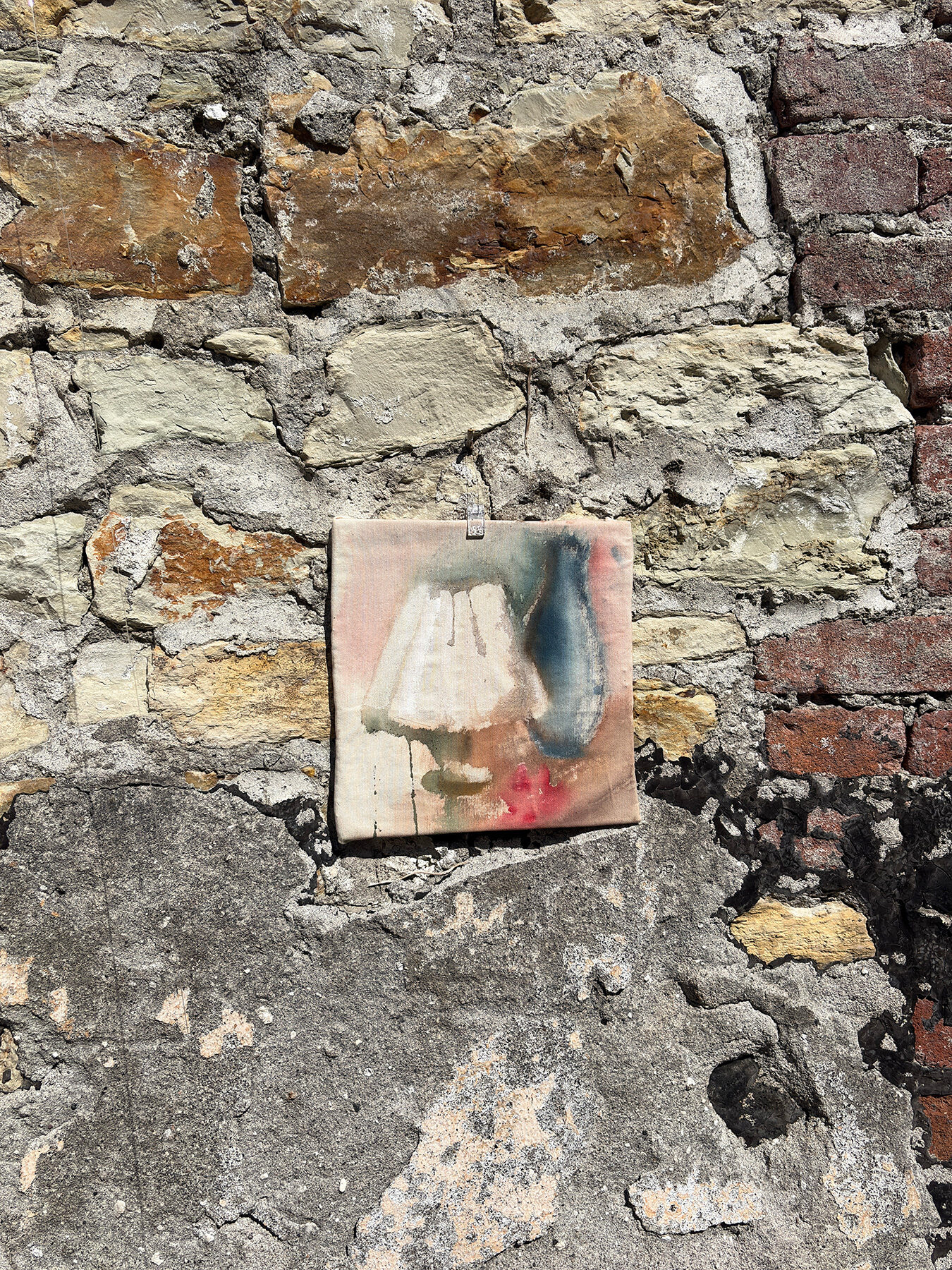
Our joint quest culminated in both a physical and a digital exhibition exploring how traces can inspire to think in terms of possibilities rather than becoming locked into manifestations.
How can we reactivate what remains only as a (digital) trace using contemporary means and translating it into our present world? Throughout the lab we used kleio as both an artistic and a curatorial tool, enabling digital exhibitions of local art to be made publicly accessible to an international audience.
The resulting online and offline exhibition was held in Sukhum/i Fortress. International outreach for artists working in Abkhazia remains a long-standing aspiration, yet one that is difficult to achieve. The world knows by now that physical encounters cannot be substituted, neither can digital images replace the encounter with (physical) artworks. Thus, we understand the digital realm not as an answer but as a possibility.
The digital exhibition will be shown in Zurich in February 2027 as part of Frontlines of Engagement: An Assembly on Art in a World Shaped by Conflict a conference organised by artasfoundation in cooperation with artlink and Zurich University of the Arts (ZHdK).
Place and Year
Sukhum/i, 2026
Participants/Artists
Alina Arakelian, Alina Shamba, Ani Samsonia, Apsha Khagba, Danakai Adleyba, Daniela Ashuba, Daria Shipitsyna, Diana Khintba, Elena Volkova, Karina Cholokyan, Katrin Zarnikova, Kemal Gogua, Leon Logua, Maktina Gogiia, Naala Avidzba, Natalya Madilyan, Nika Lakrba, Oleg Chedia, Polina Smaltseva, Safar Sagaria, Said Kakalia, Viktoriia Ratsba
Project Management
Elena Brülhart (artasfoundation)
Olivia Jaques (artasfoundation)
Interpreter
Naida Abidova
Partner Organisation
SKLAD_
Guests
Anina Schenker (kleio, Lab 1)
Sabina Agrba and Lana Chkhindzheria (architecture, Lab 2)
Financial Contribution
Tödi-Tal Foundation
Ernst and Olga Gubler-Hablützel Stiftung
¹artasfoundation would like to underline that its use of names and titles particularly in regards to conflict regions should not be understood as implying any form of recognition or non-recognition by the foundation or as having any other political connotation whatsoever.