Art in Conflict – Discussion Series
What can art achieve in war-affected regions? How do artists work to uphold human dignity, create new opportunities for encounters and promote peaceful conflict transformation? artasfoundation is repeatedly confronted with fundamental questions that are put up for discussion in a wider audience in the discussion series Art in Conflict. Each event takes the form of a table discussion on a specific topic. Experts who work with art initiatives of various disciplines in conflict regions or have published on the subject provide the starting point for the exchange through a short presentation or a text.
The discussion series emerged from the monthly event Jour Fixe, which artasfoundation has been organising since 2012 – during the first twelve years, in the foundation’s office premises.
The discussions are held in English. The events take place in Zurich and can also be attended live via Zoom. They are simultaneously live-streamed to the Mediathek of the Hochschule für Gestaltung und Kunst Basel.
Art in Conflict is organised by CAP in cooperation with Gessnerallee. CAP is a joint initiative of artasfoundation and ZHdK.
You can find the current programme here.
If you wish to receive regular updates about the agenda of the discussion series, please sign up for our invitation list here.
Art in Conflict – Discussion Series 2025–2026

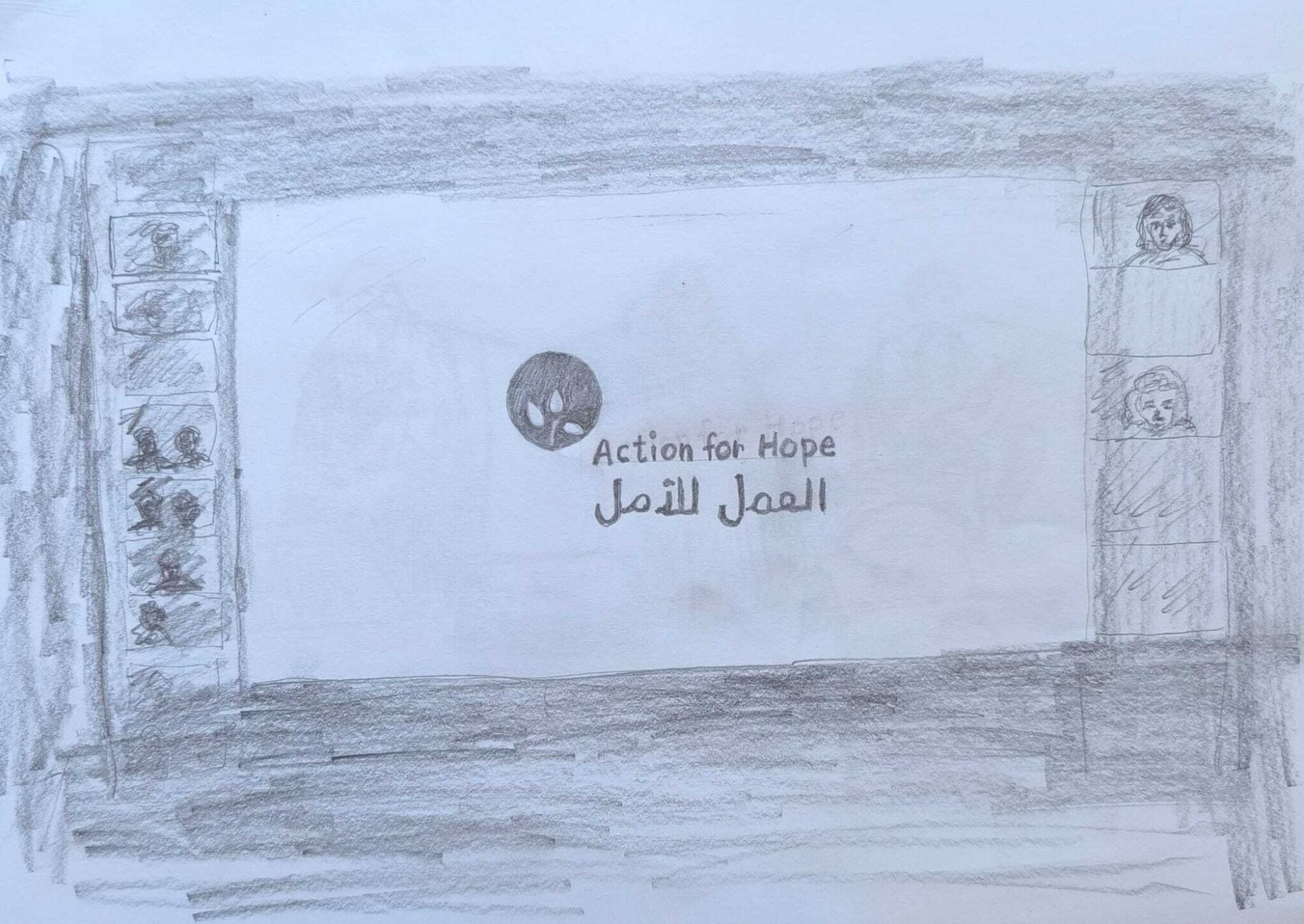
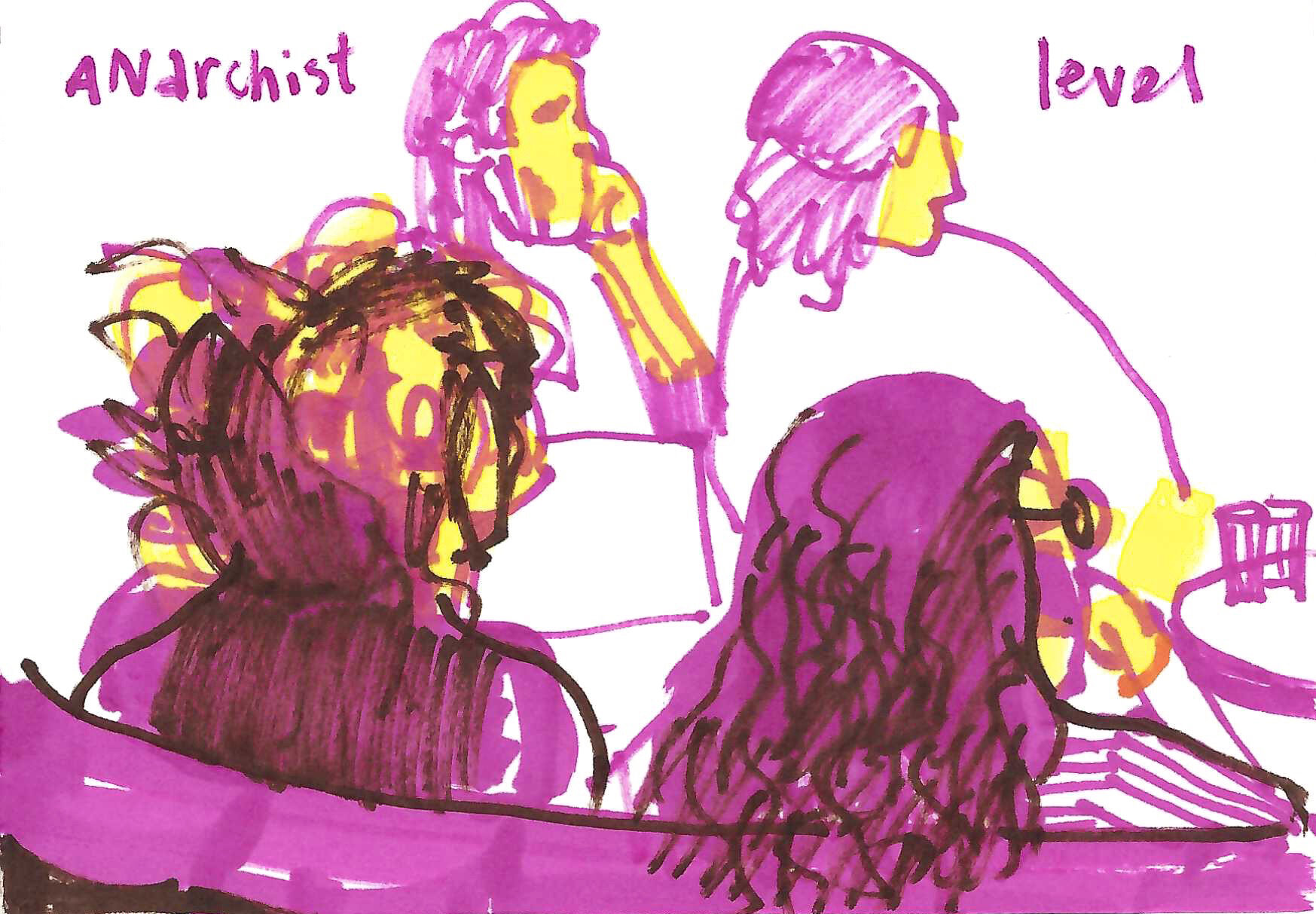
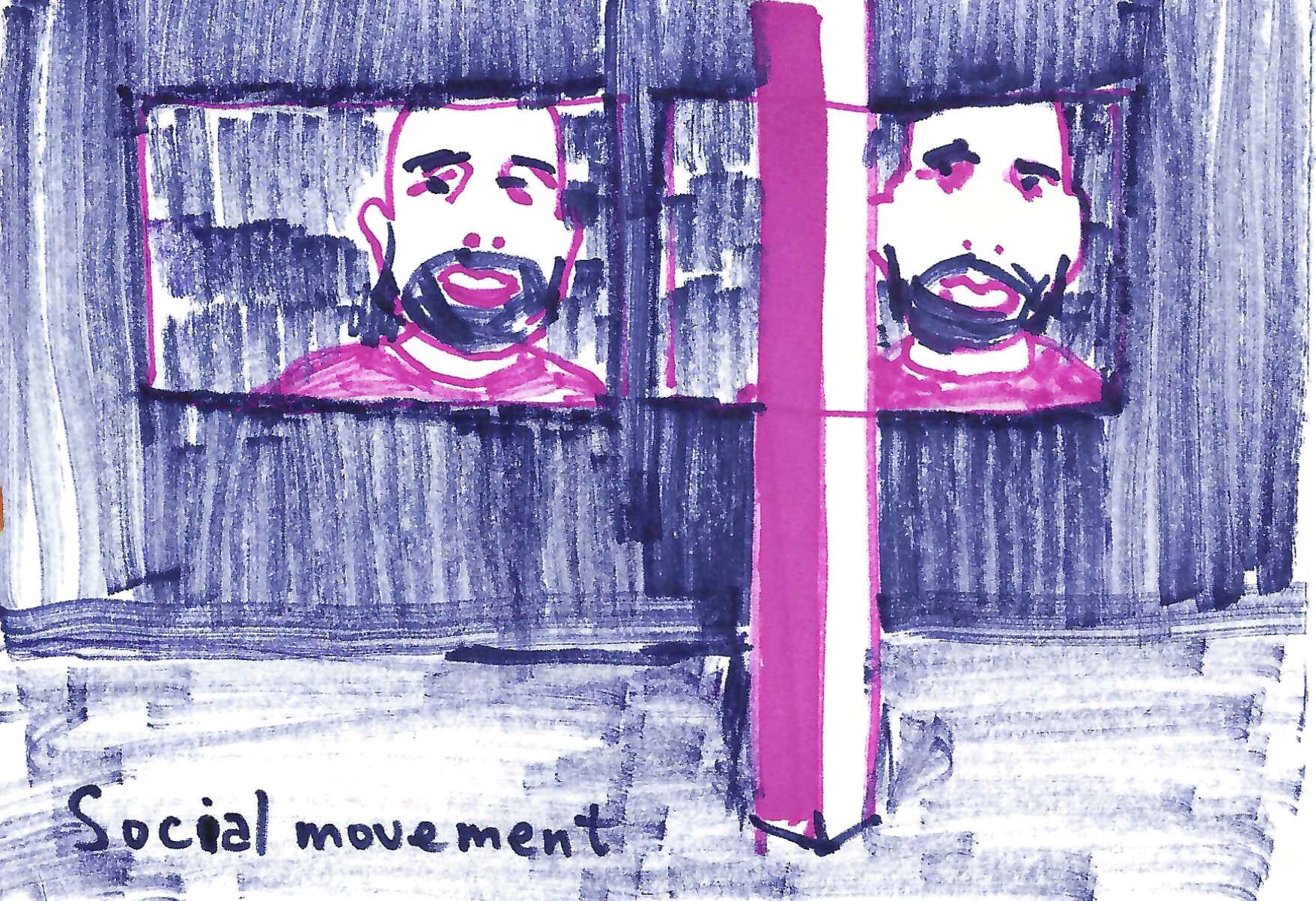
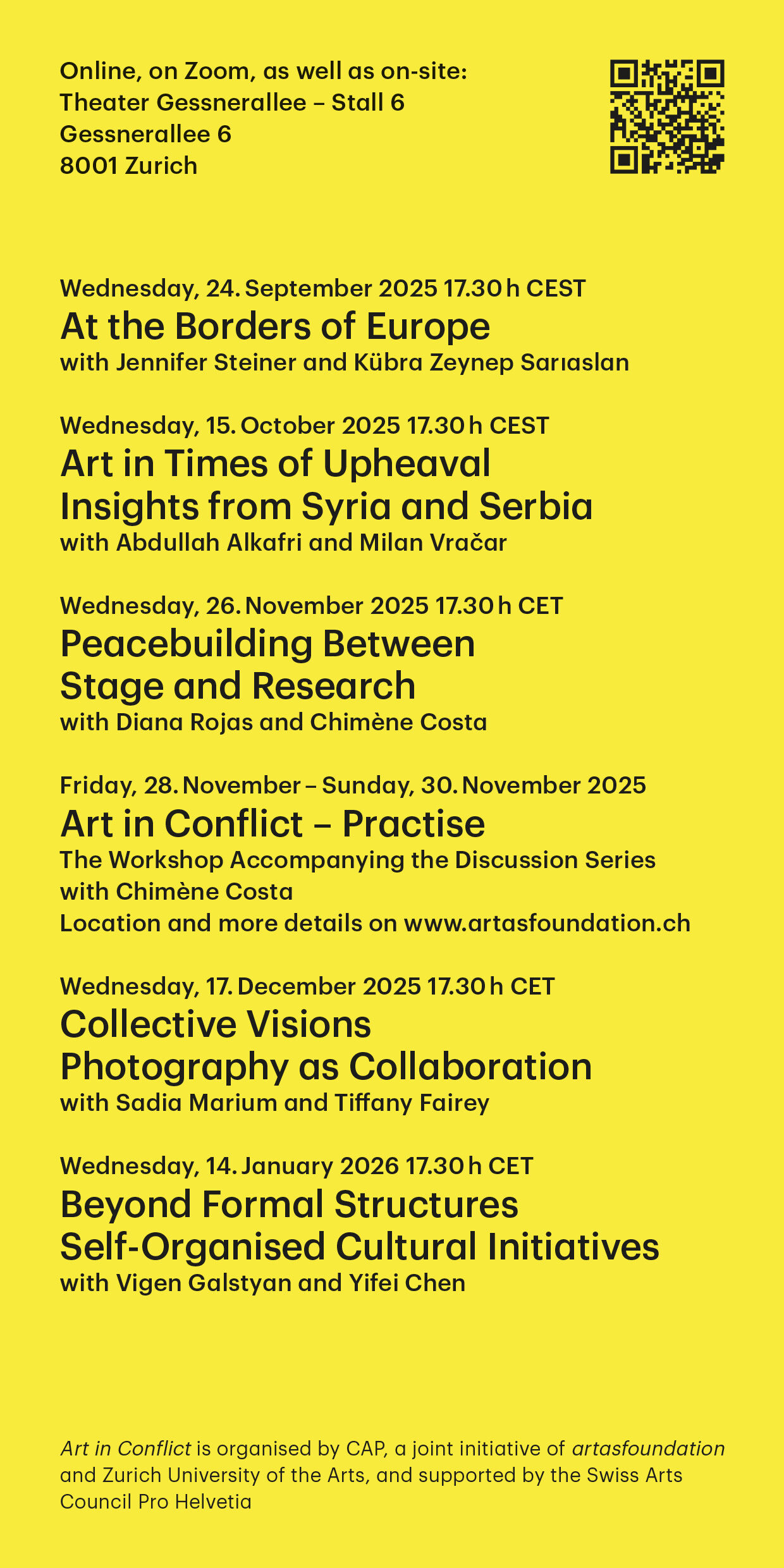
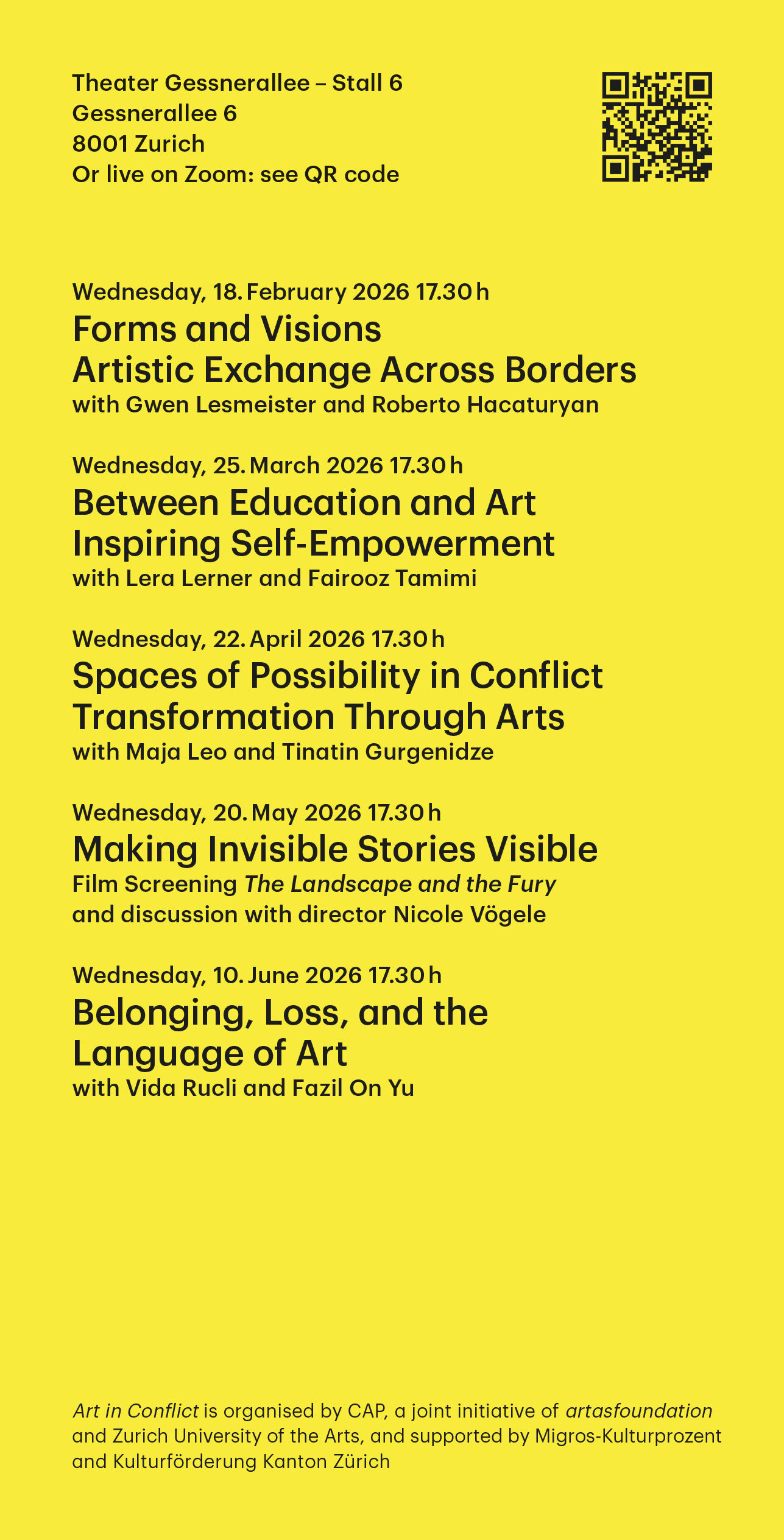
Art in conflict transformation often begins on a small scale, within a trusted circle of artists, in encounters with a community, in a school or other place that brings people together. However, this does not mean that such locally specific work is not sustained by the (moral) support of countless allies. The discussion series Art in Conflict explores this idea. The artasfoundation team initiates an exchange that allows the multitude of perspectives and work methods within the field to come together.
With experts such as Abdullah Alkafri, Chimène Costa or Tiffany Fairey, we have discussed peacebuilding through the performing arts or photography, with examples from Syria, Serbia, Colombia, Mozambique, Armenia or China, we showed how art can open spaces for dialogue, resistance, and new perspectives around the world. The series began in September 2025 with a conversation on initiatives at Europe’s borders between Jennifer Steiner from the WAV research collective and social anthropologist Kübra Zeynep Sarıaslan.
How can more open forms of exchange be created in a world shaped by colonial legacies, through dance or literature, for example? What might collaborative photography look like? Which strategies are possible when visa processes complicate project work? And how can art create hope and open spaces for action in a refugee camp or in mediation processes between conflicting parties? What is the potential of digital exchange formats? And which experiences are helpful when dealing with authorities? These questions, along with insights into projects from Bangladesh, Georgia, and China, have shaped Art in Conflict since autumn 2025.
Starting this season, the monthly discussions at Theater Gessnerallee have also been live-streamed to the Mediathek of the Hochschule für Gestaltung und Kunst Basel, while continuing to be accessible live via Zoom. Since the beginning of 2026, Art in Conflict has been artistically documented on site by guest contributors.
Place and Year
Zurich and online, 2025–2026
Project Management and Programming (since 2023)
Mara Züst (artasfoundation)
Claudia Barth (artasfoundation)
Bettina Ganz (ZHdK)
Partner Organisations
Zurich University of the Arts (ZHdK), International Dossier
Theater Gessnerallee
Media Library Basel of the Basel Academy of Art and Design
Guests
The artasfoundation team, Jennifer Steiner (WAV Research Collective), Kübra Zeynep Sarıaslan, Abdullah Lkafri (Ettijahat), Milan Vračar (Kulturanova), Dijana Rojas, Chimène Costa, Sadia Marium, Tiffany Fairey, Vigen Galstyan, Yifei Chen, Roberto Hacaturyan (artlink), Lera Lerner, Fairooz Tamimi (Action for Hope), Maja Leo (Berghof Foundation), Tinatin Gurgenidze, Vida Rucli, Fazil On Yu
Financial Contribution
Pro Helvetia
Migros Culture Percentage Zurich
Canton of Zurich
Art in Conflict – Discussion Series 2024–2025
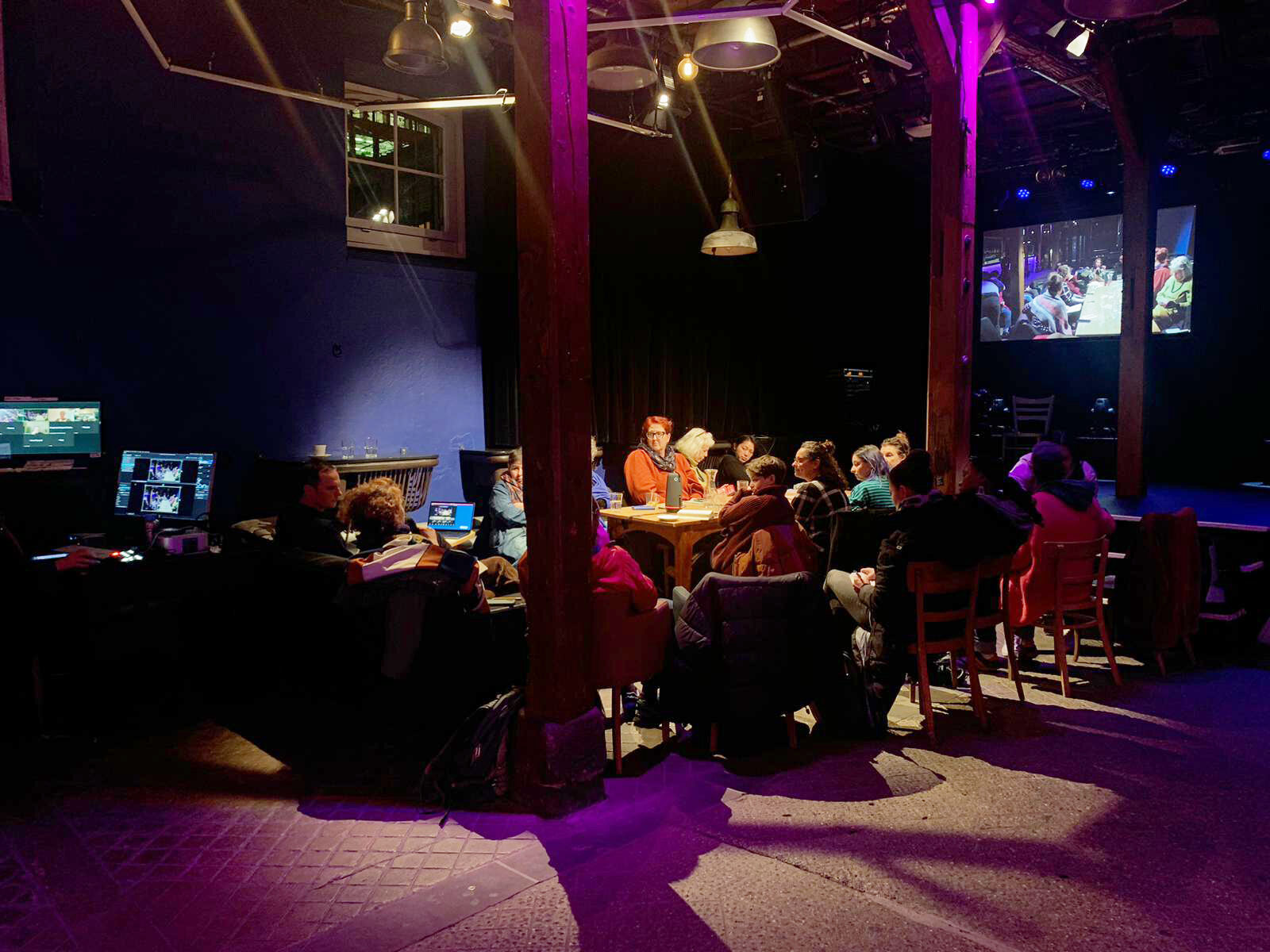
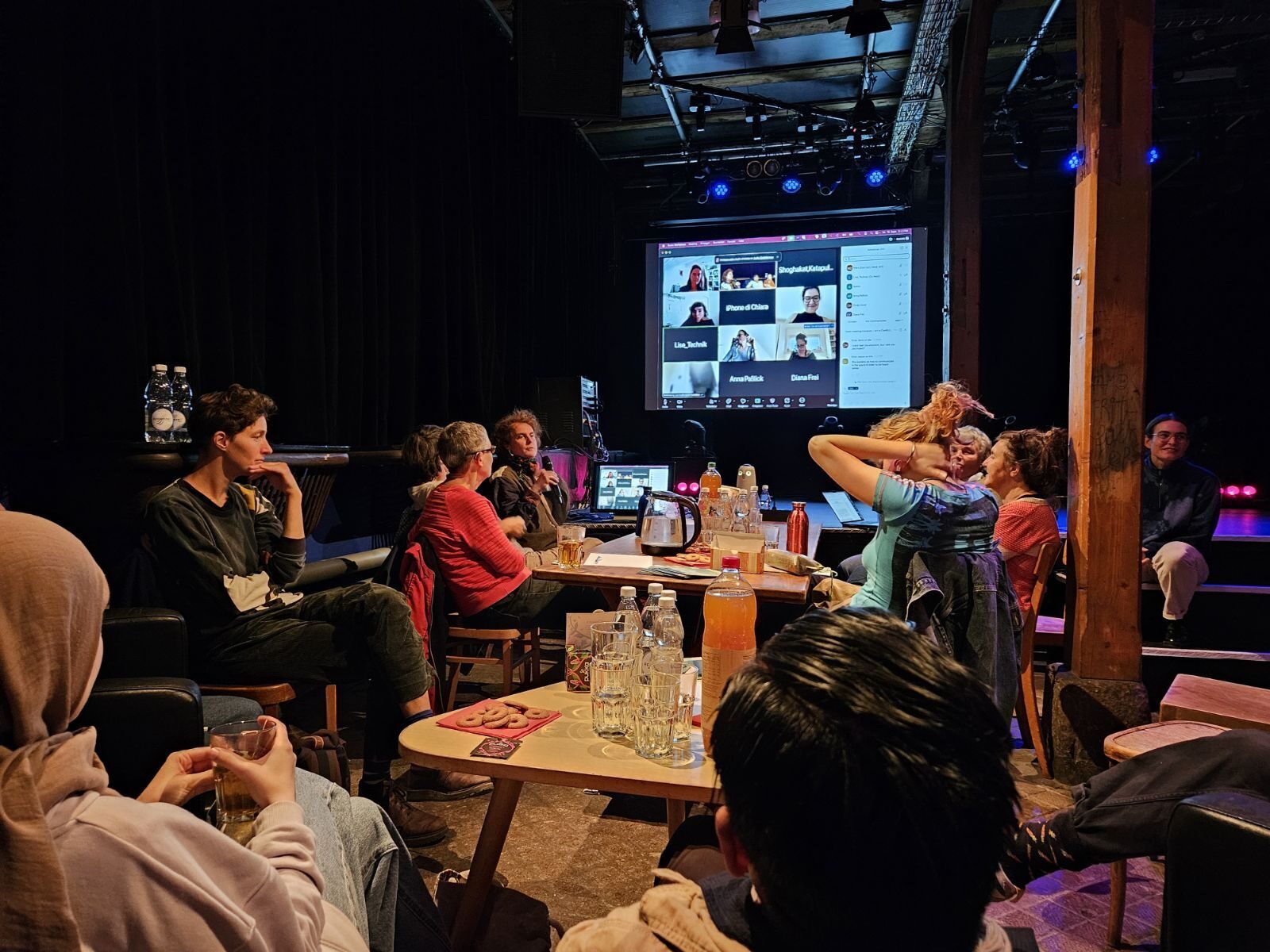
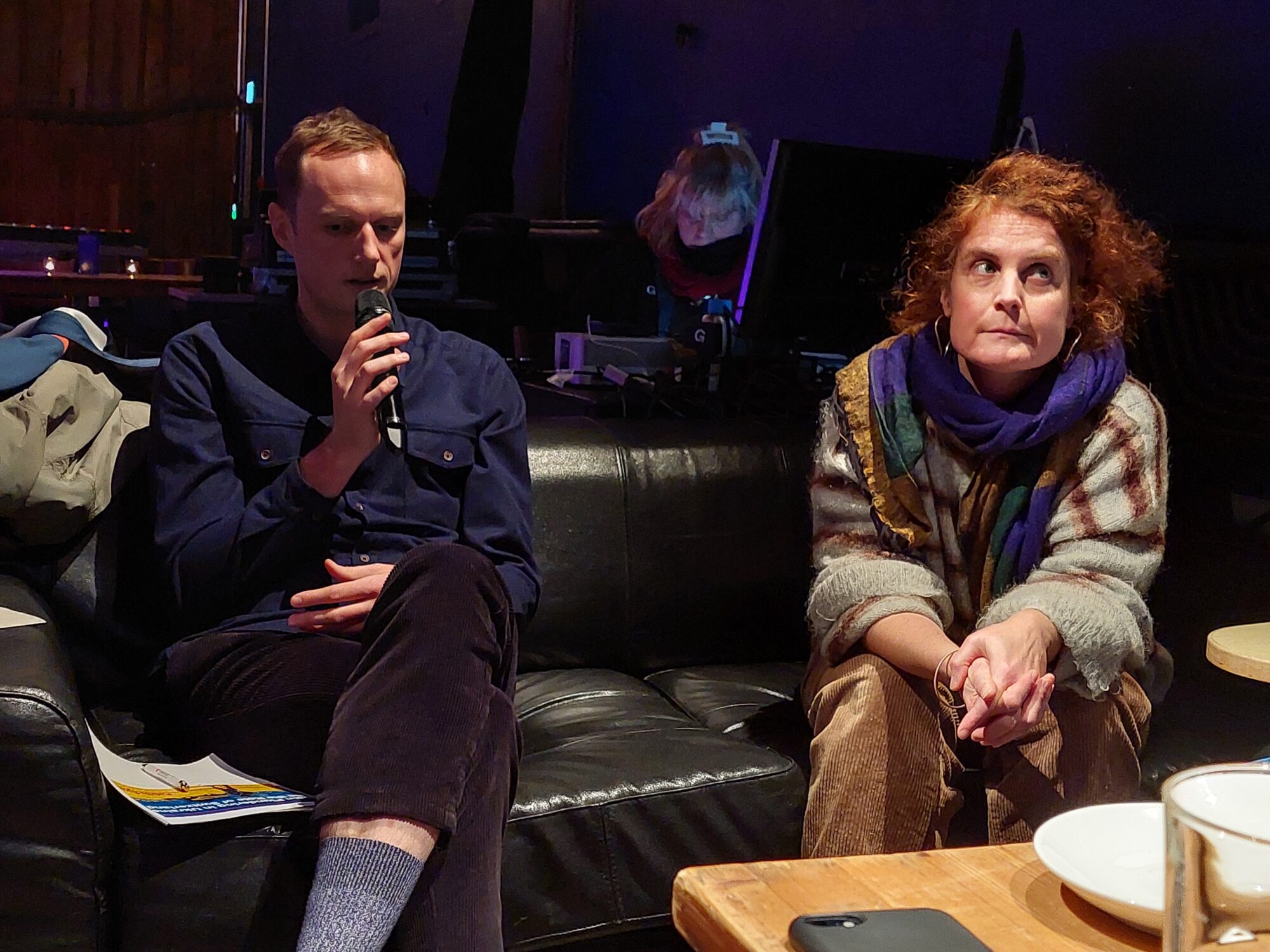
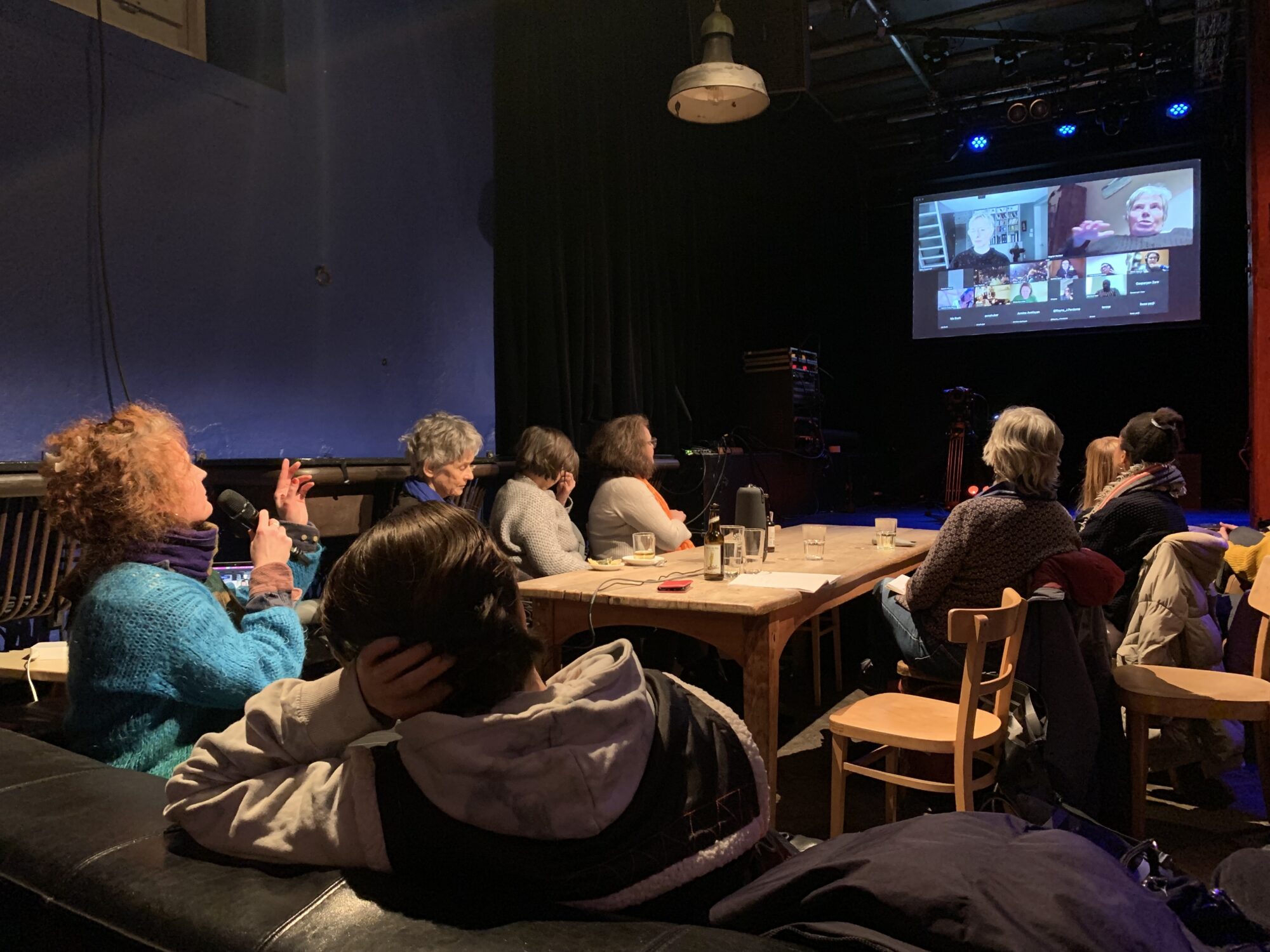
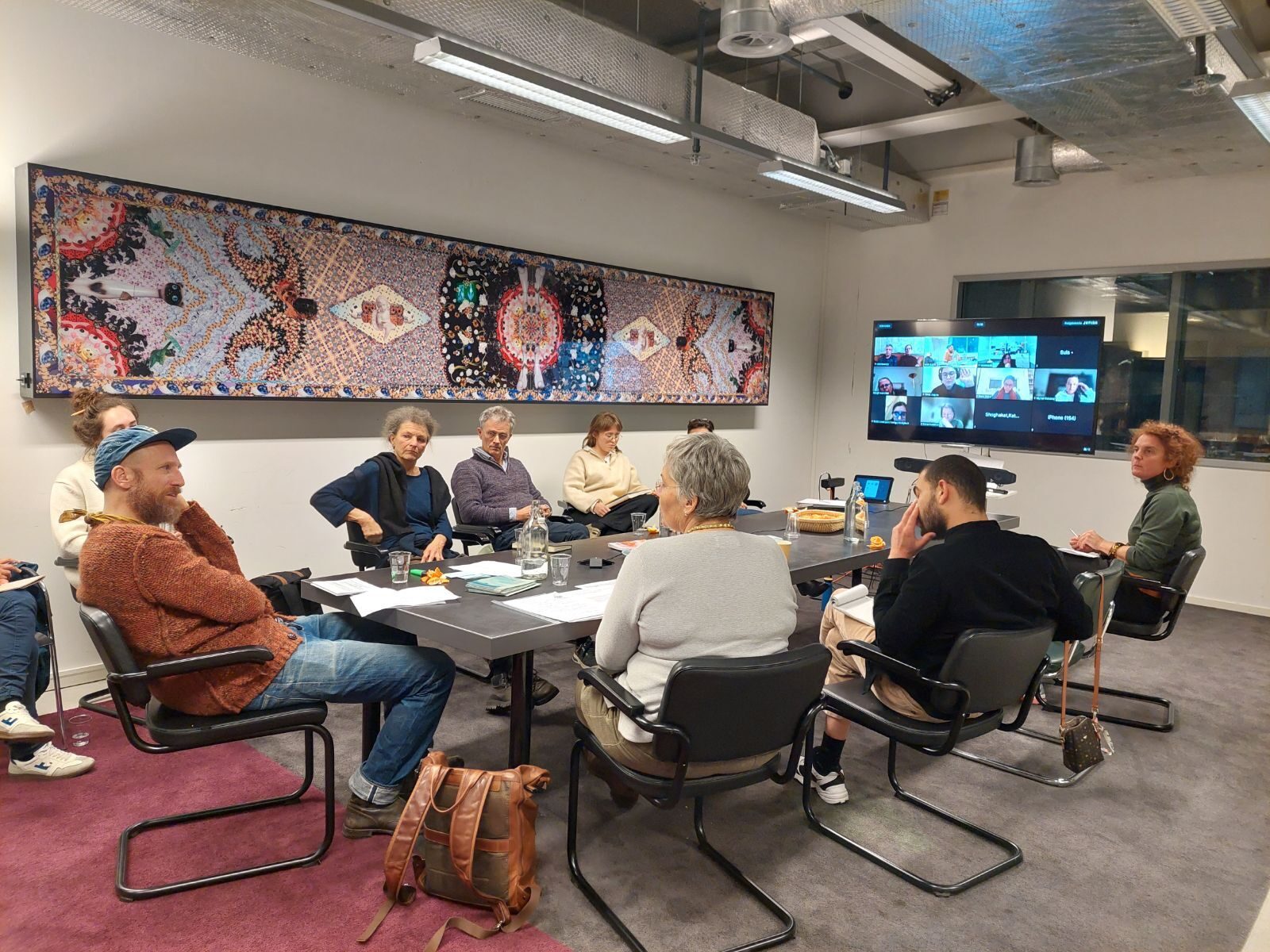
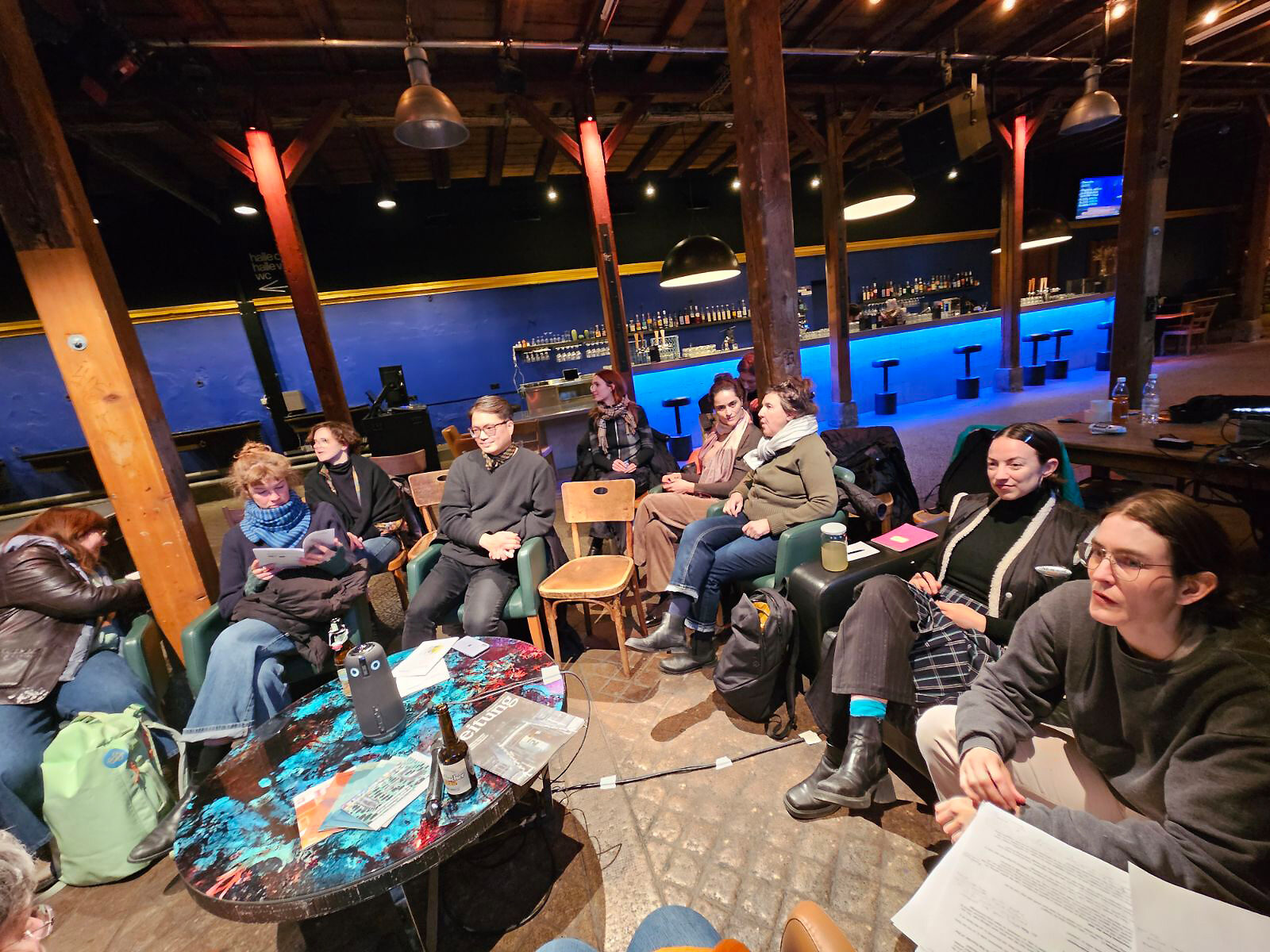
In a corner of the former horse stables at Gessnerallee in Zurich, a small group of people regularly gathers to reflect on socially engaged artistic practice. Since September 2024, artasfoundation has expanded its discussion series Art in Conflict (formerly Jour Fixe) through a collaboration with Theatre Gessnerallee.
The event with artist Diala Brisly and researcher Cindy Horst on 18. September 2024 marked the beginning of this new chapter. During an online preparatory talk, Diala shared experiences that illustrated the transformational power of artistic work – for example, how a child who had stopped speaking began to speak again after participating in a workshop in a refugee camp. Cindy emphasised that despite these stories, the building of trust and strengthening communities is increasingly being increasingly neglected by state institutions in favour of ongoing militarisation. In an effort to counter this development we bring these topics to discussion in the series Art in Conflict. Diala and Cindy shared with the audience that their collaboration had set in motion a continuous and in-depth process of learning – as a researcher in exchange with an artist, as an artist in dialogue with a community, and as human beings in dialogue with one another.
The discussuion in February 2025 was titled Voices of Culture in Times of Upheaval. We heard from artists whose work explores experiences of violent disruptions and reflected on what it means to act from exile. In conversation with the audience, Snow Hnin Ei Hlaing, Enas Ismail, and Liwaa Yazji also spoke about tireless protest and international solidarity.
In this way, the small gathering among the iron feeding troughs has become a meaningful meeting place for people who, in a time of escalating wars and chauvinist politics, do not lose hope that art can inspire social transformation and justice – by creating bonds of solidarity and daring to imagine utopian futures.
Place and Year
Zurich and online, 2024–2025
Project Management and Programming
Mara Züst (artasfoundation)
Claudia Barth (artasfoundation)
Bettina Ganz (ZHdK)
Partner Organisations
Zurich University of the Arts (ZHdK), International Dossier (since 2023)
Theater Gessnerallee (since 2024)
Guests
The artasfoundation team, Cindy Horst (PRIO Institute), Diala Brisly, Shebli Albau, Lena Saade Gebran (USEK’S University, Lebanon), Markus Gerber (ZHdK), Robert Bachmann (Public Eye), Dana Caspersen, Snow Hnin Ei Hlaing, Enas Ismail, Liwaa Yazji, Zaal Andronikashvili (Leibniz Center Literary and Cultural Research), Norbert Rütsche (Embassy of Switzerland Georgia), Sonja Schiffers (Heinrich Böll Foundation), Stas Shärifullà, Vera Ryser (The Mural Must Go!), Asida Butba (SKLAD), Iman Aoun, Toni Shapiro-Phim (Brandeis University)
Financial Contribution
Pro Helvetia
Jour Fixe – Art in Conflict 2023–2024
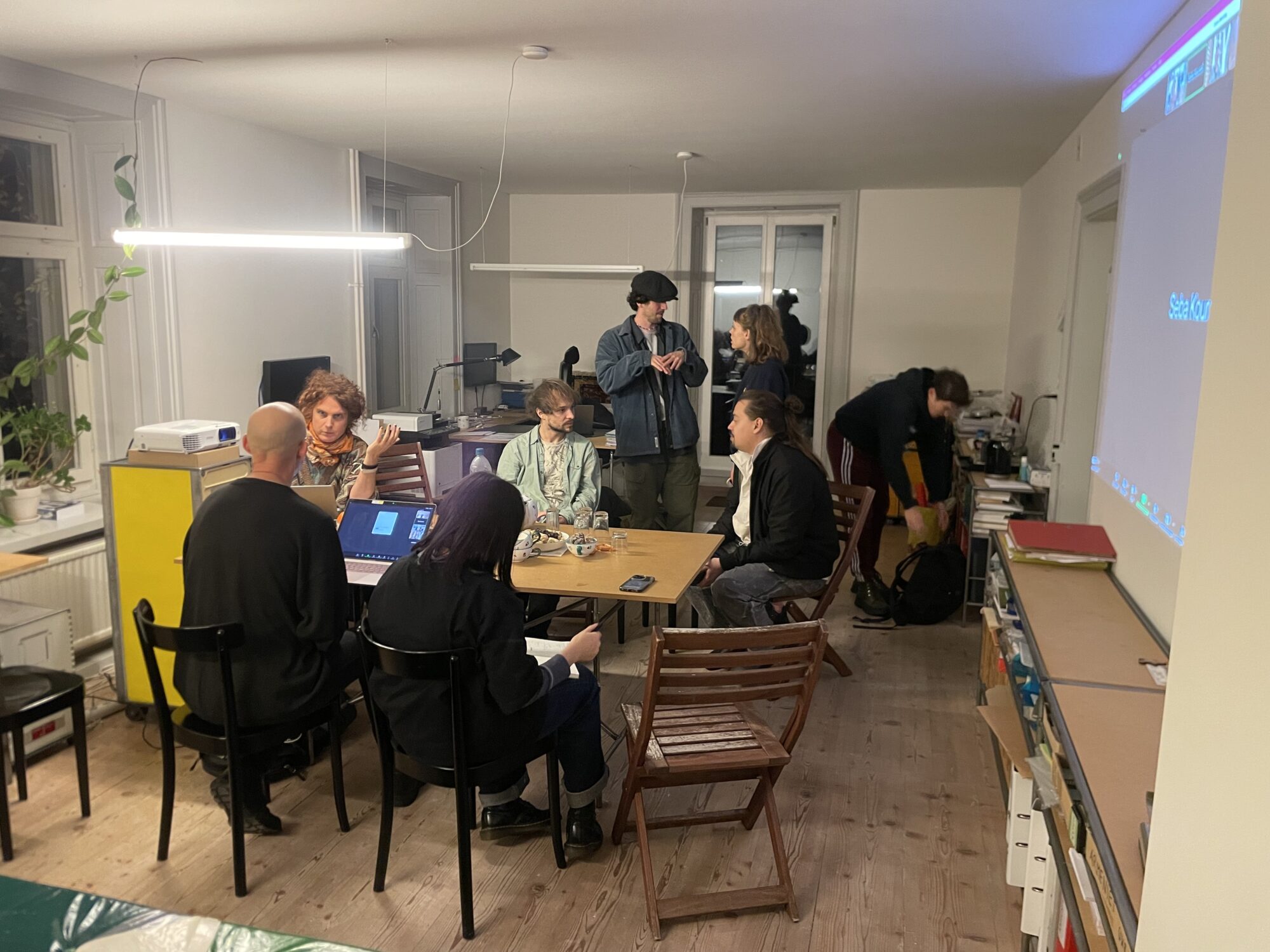
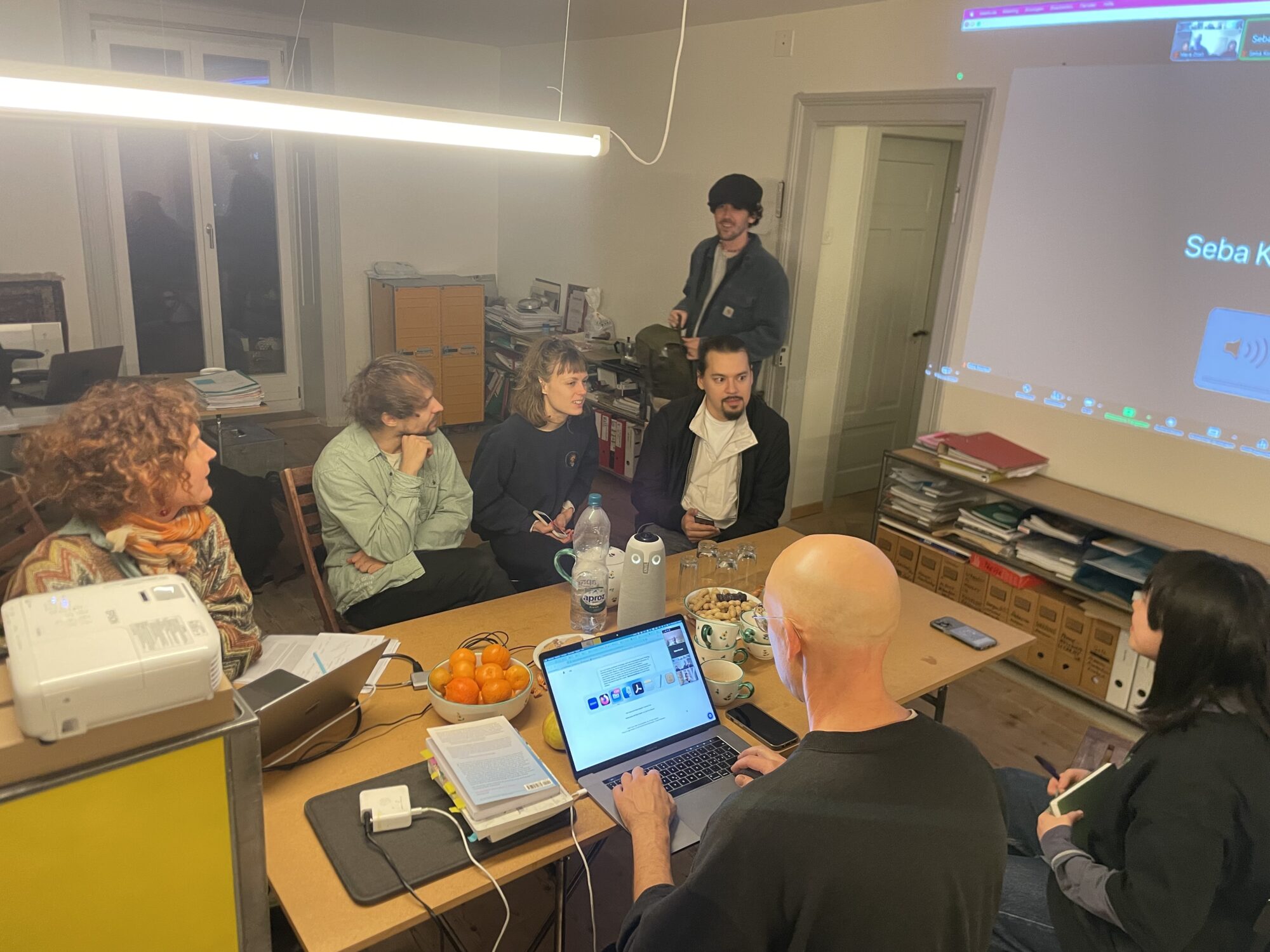
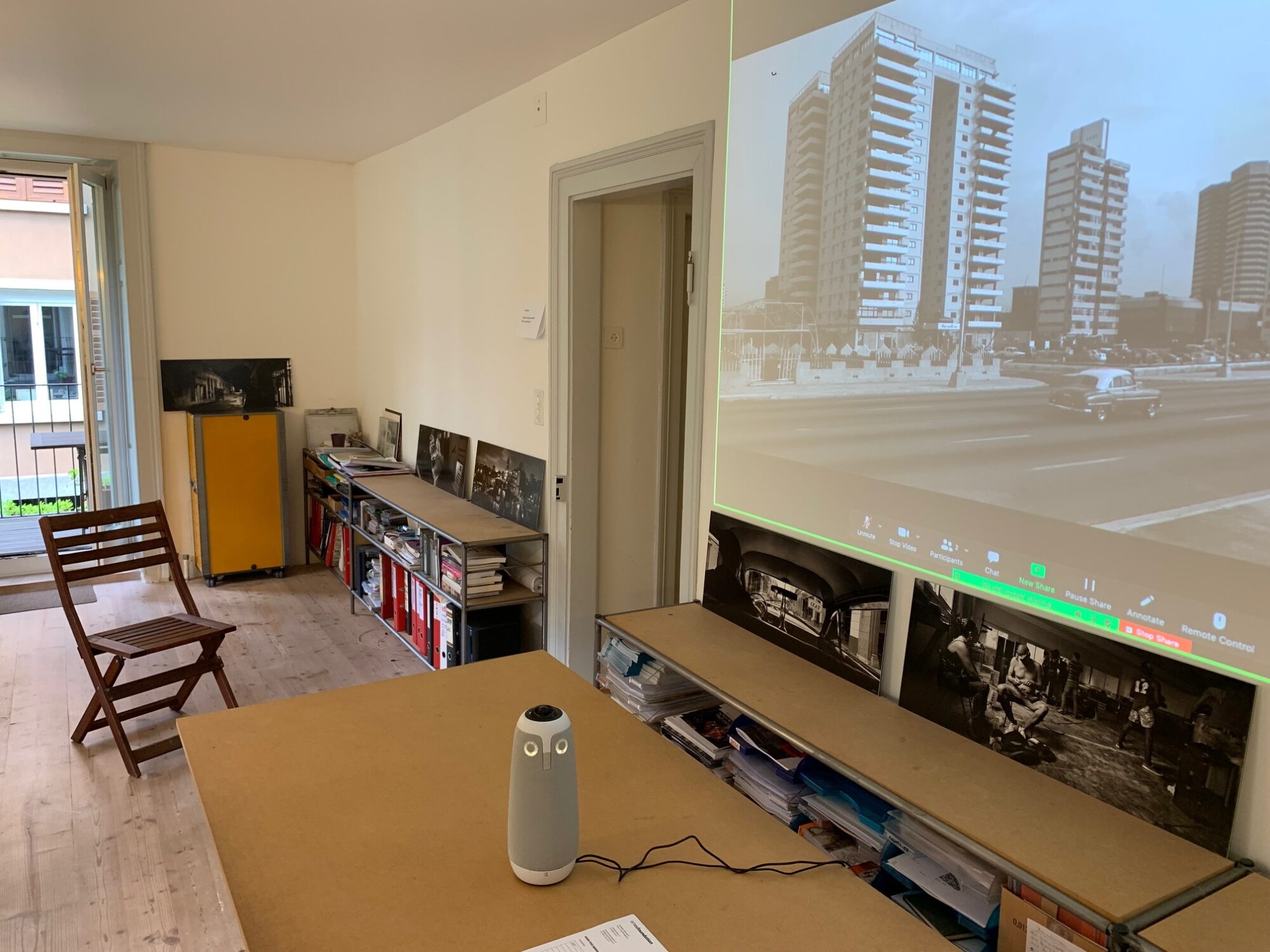
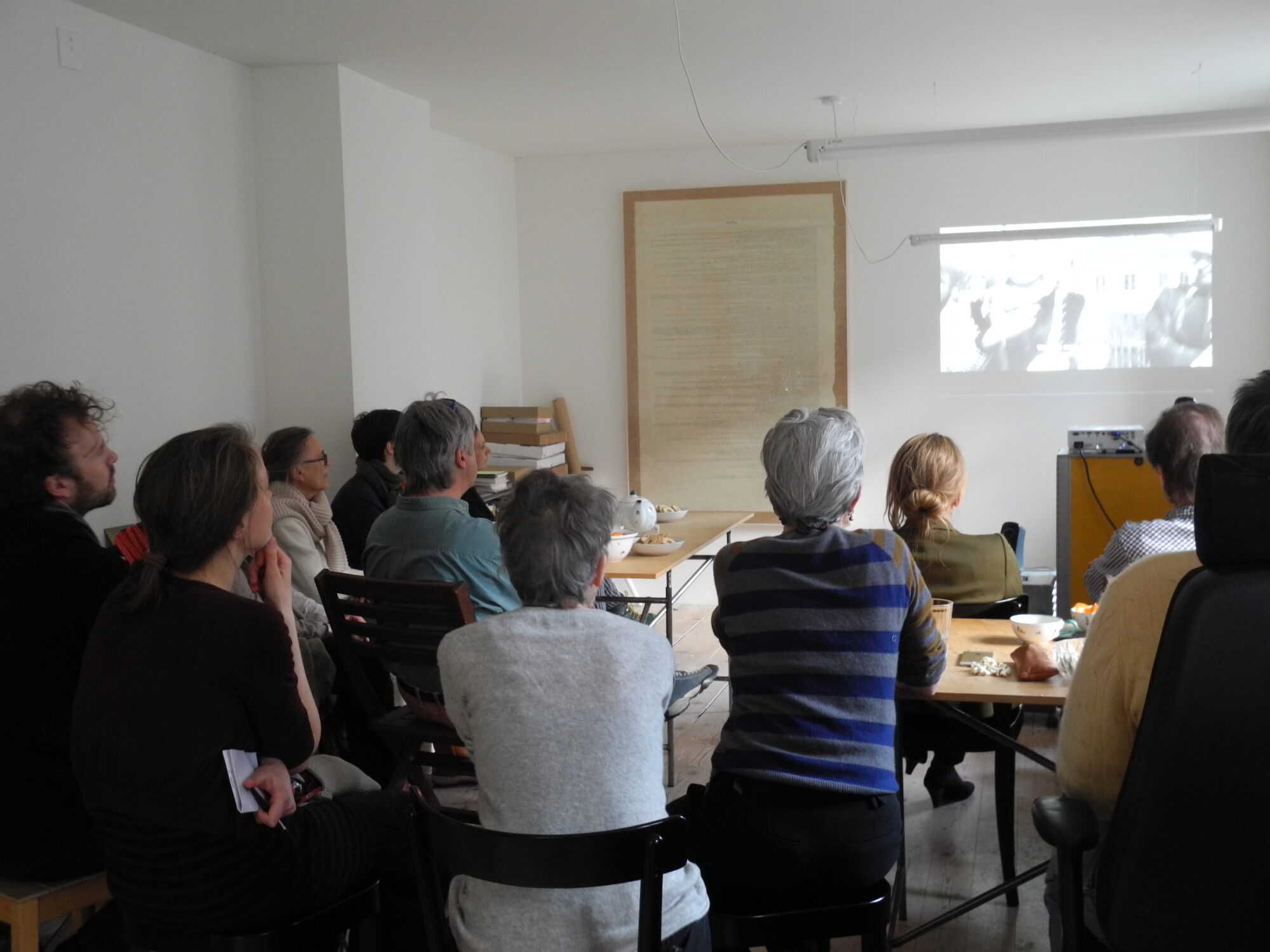
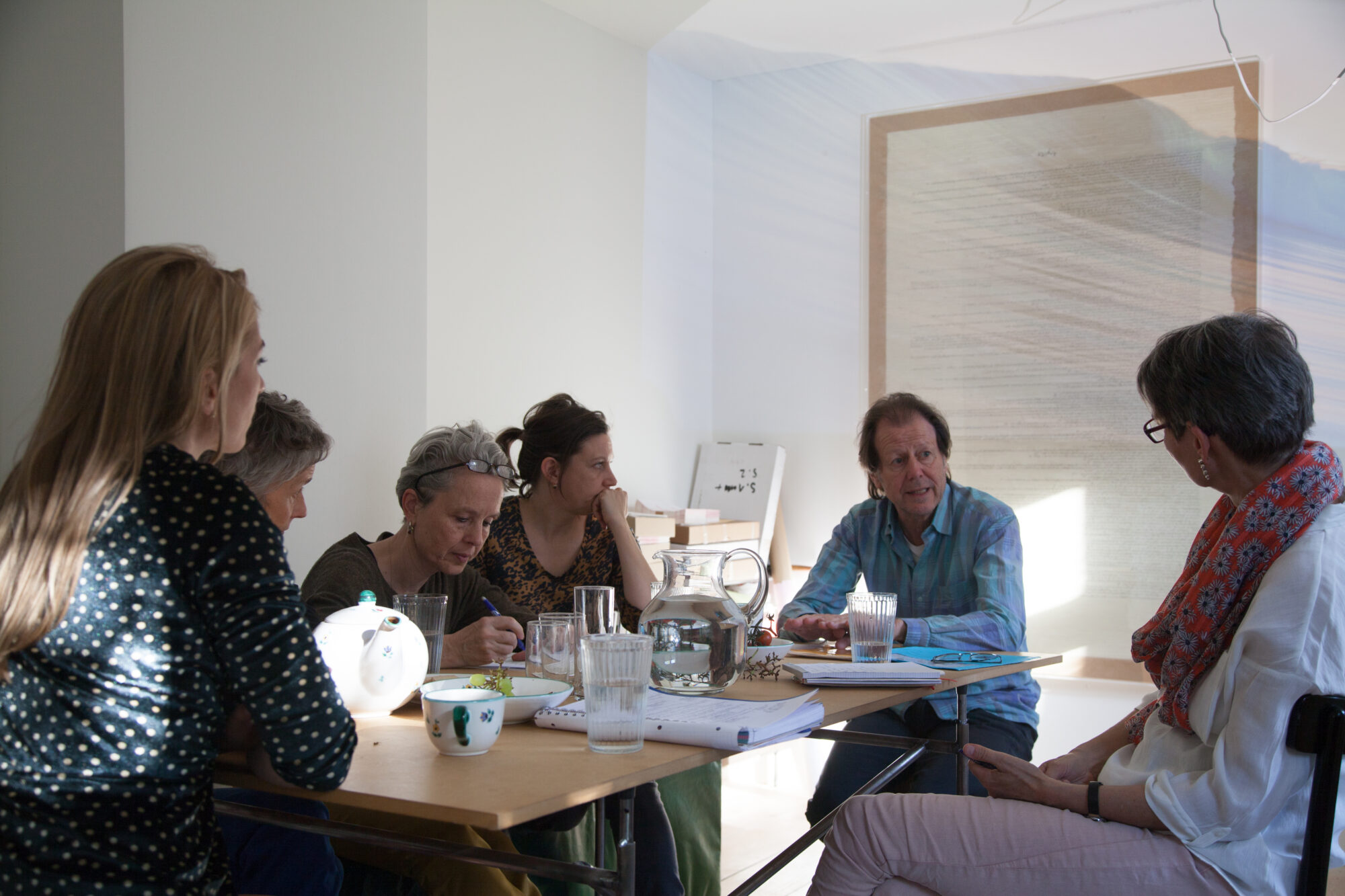
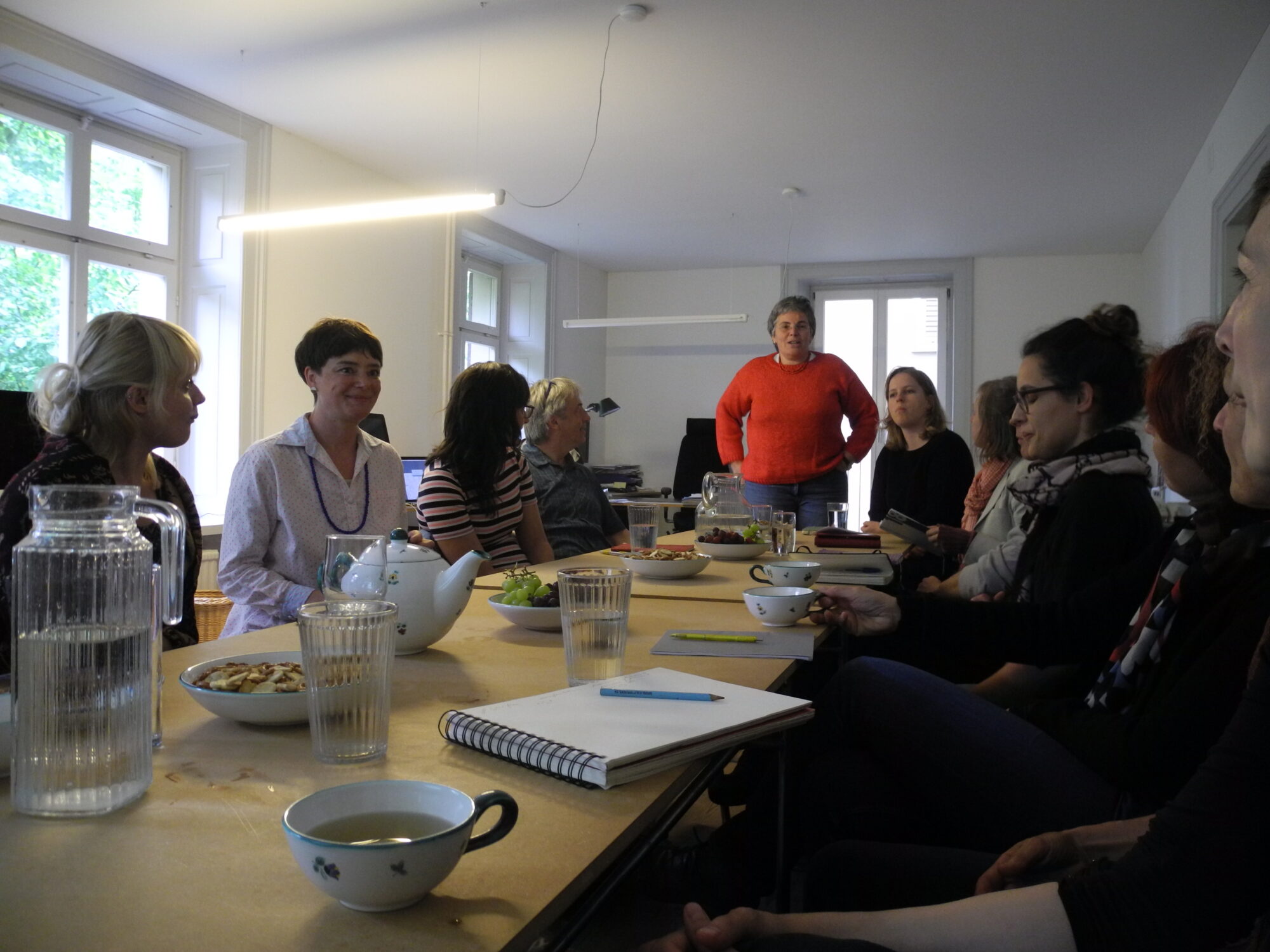
In our work at artasfoundation, we are constantly confronted with fundamental questions: How can we act with care in conflict-affected societies? What role can the arts play in peacebuilding? What are the specific qualities of art in conflict regions and where are the limits of what is possible? To discuss these and other questions, the Centre for Art and Peacebuilding CAP – a joint initiative of artasfoundation and the Zurich University of the Arts ZHdK – invited people to the new event series Jour Fixe – Art in Conflict. Each Jour Fixe event started from a question, which was either explored through an input presentation on concrete approaches to art and peacebuilding or used as the basis for a text that the participants prepared individually and discussed with invited experts – or with the authors themselves.
Place and Year
Zurich and online, 2023–2024
Project Management and Programming
Mara Züst (artasfoundation)
Claudia Barth (artasfoundation)
Bettina Ganz (ZHdK)
Partner Organisations
Zurich University of the Arts (ZHdK), International Dossier
Theater Gessnerallee
Guests
The artasfoundation team, Giorgi Rodionov, Dana Landau, Dagmar Reichert (artasfoundation Board), Tim Zulauf, Karin Griese (medica mondiale), Alison Phipps and Tawona Ganyamatopé Sitholé (University of Glasgow), Rada Leu and Jörg Scheller (ZHdK), Bojana Cvejić, Ana Vujanović (University of the Arts Berlin), Meinrad Schade, Gillian Howell (University of Melbourne)