Archaeology in the Presence
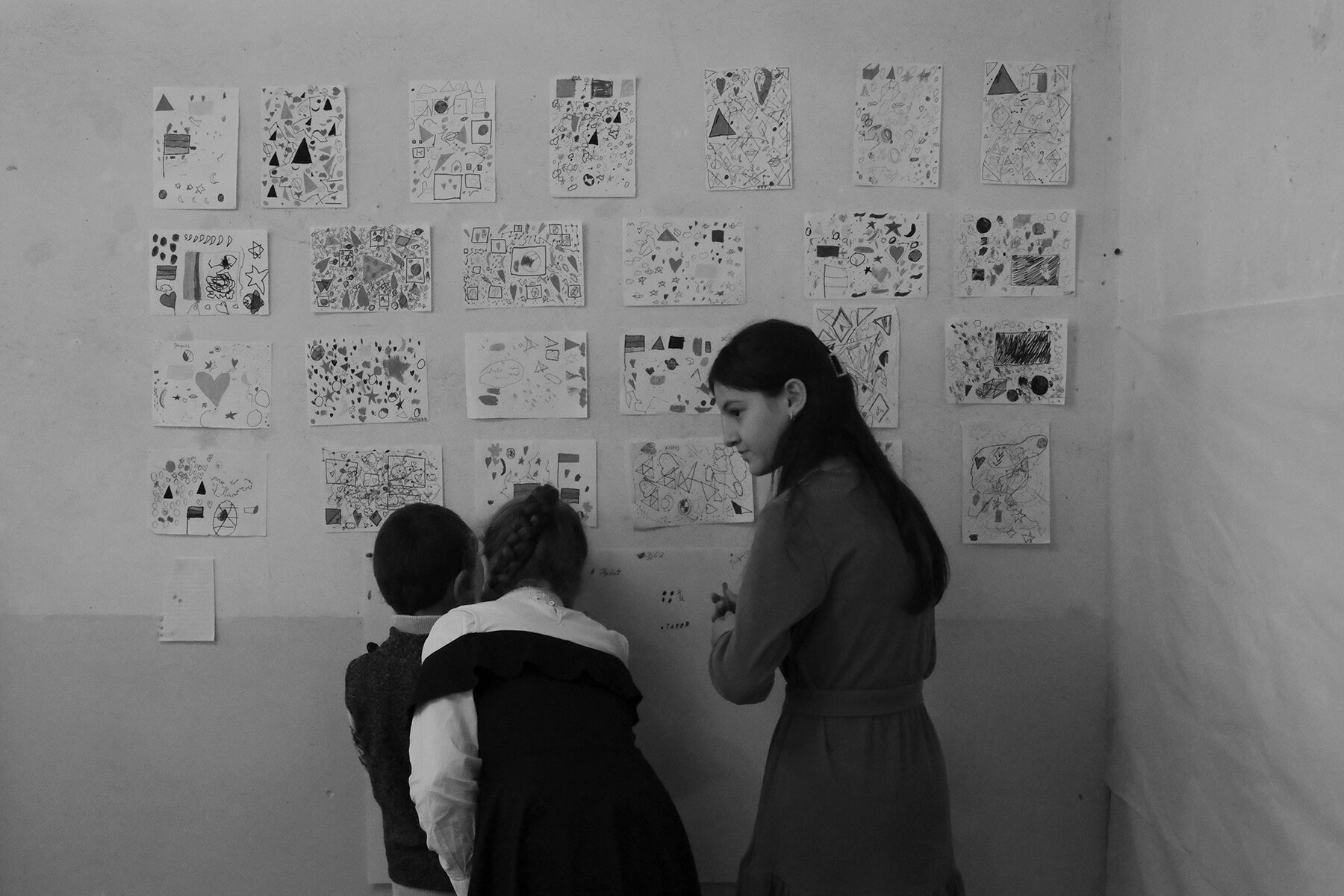
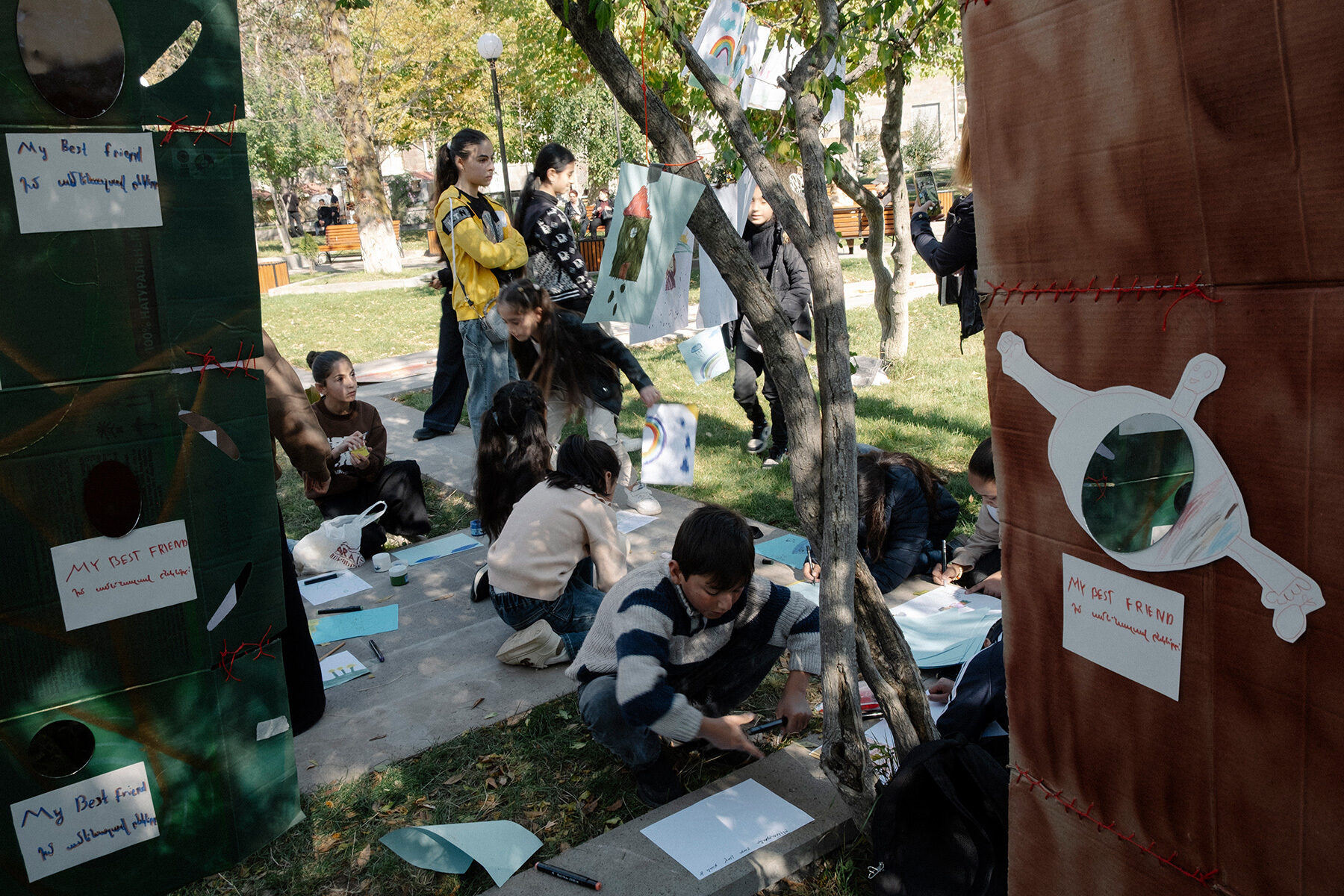
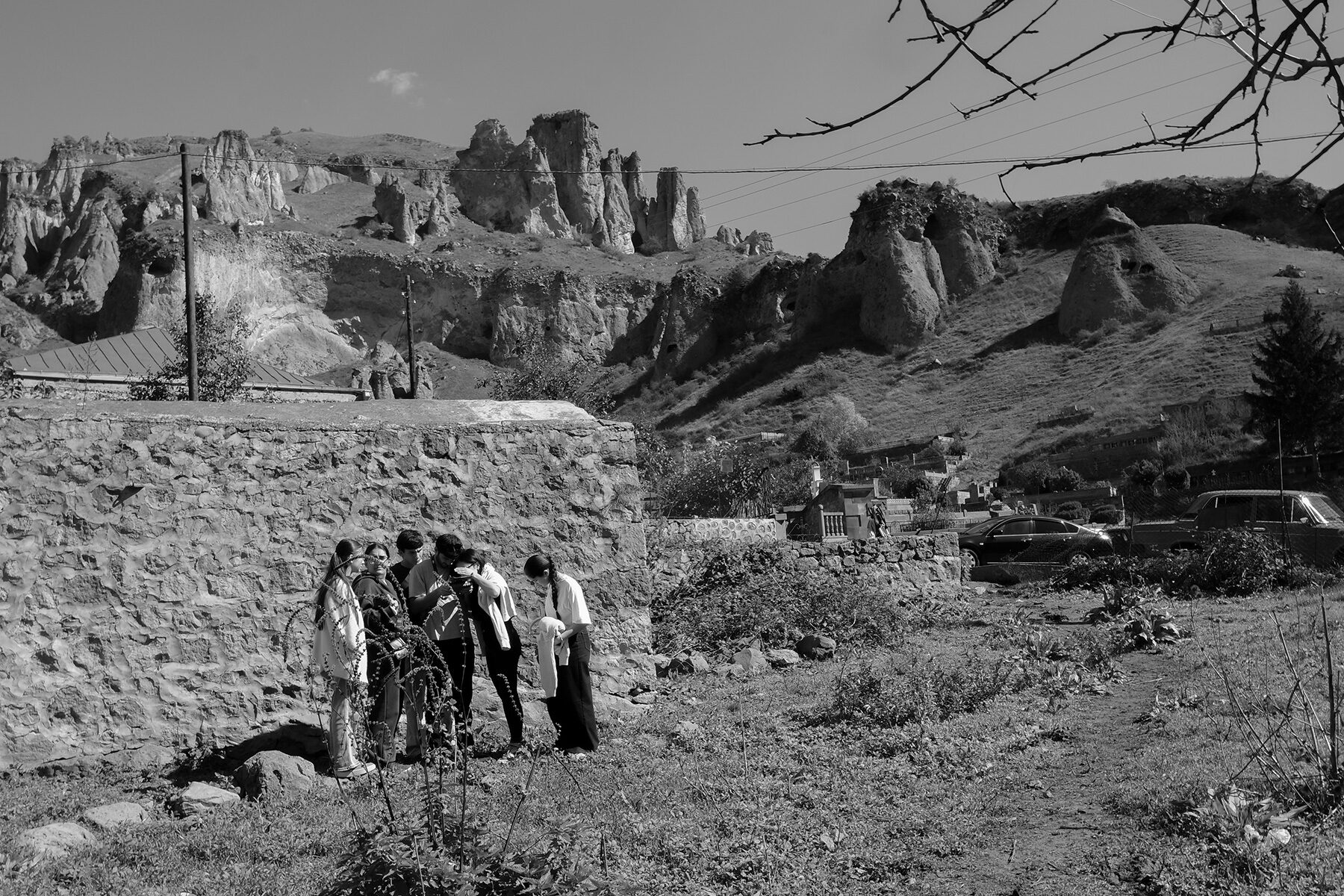
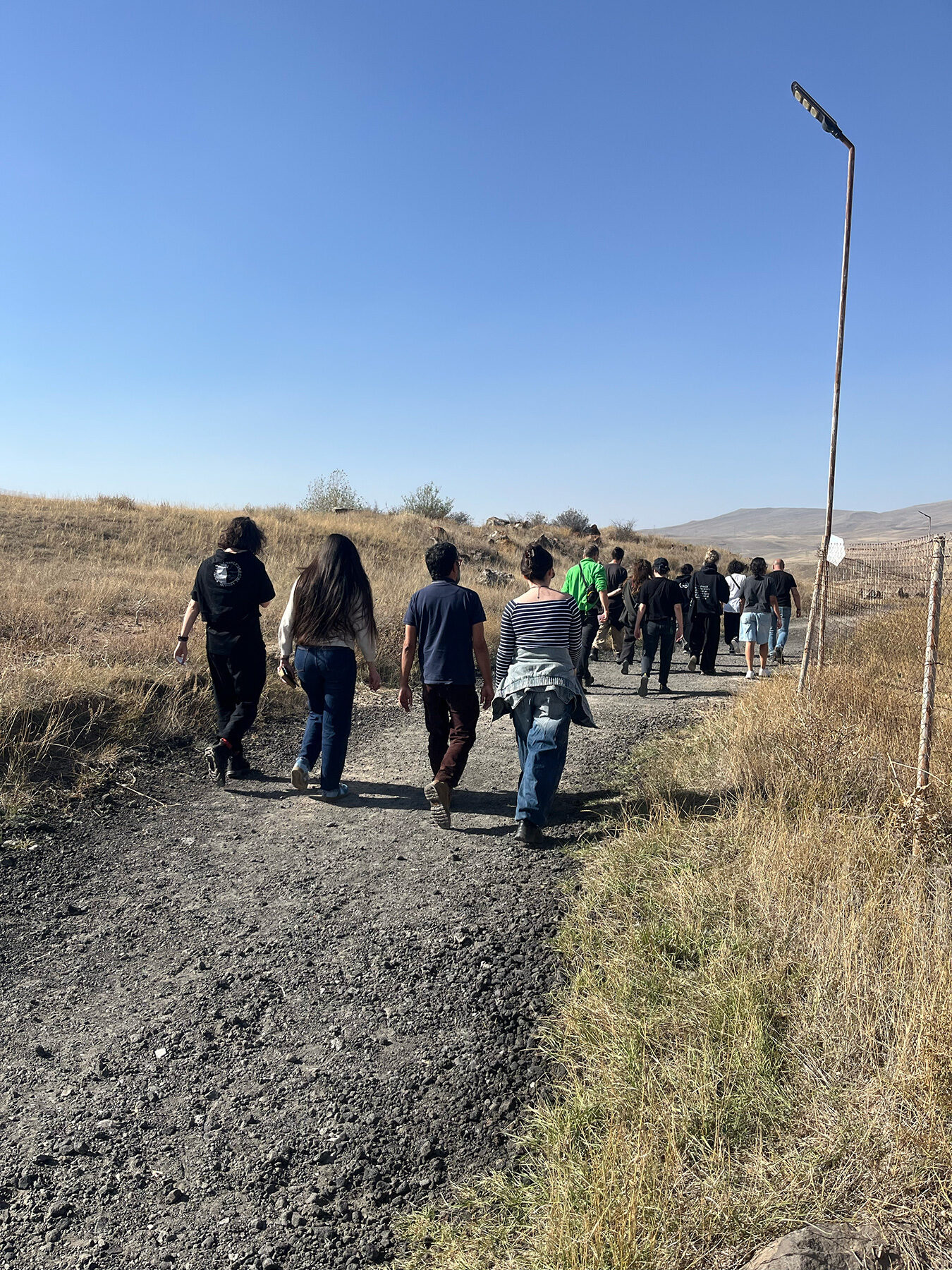
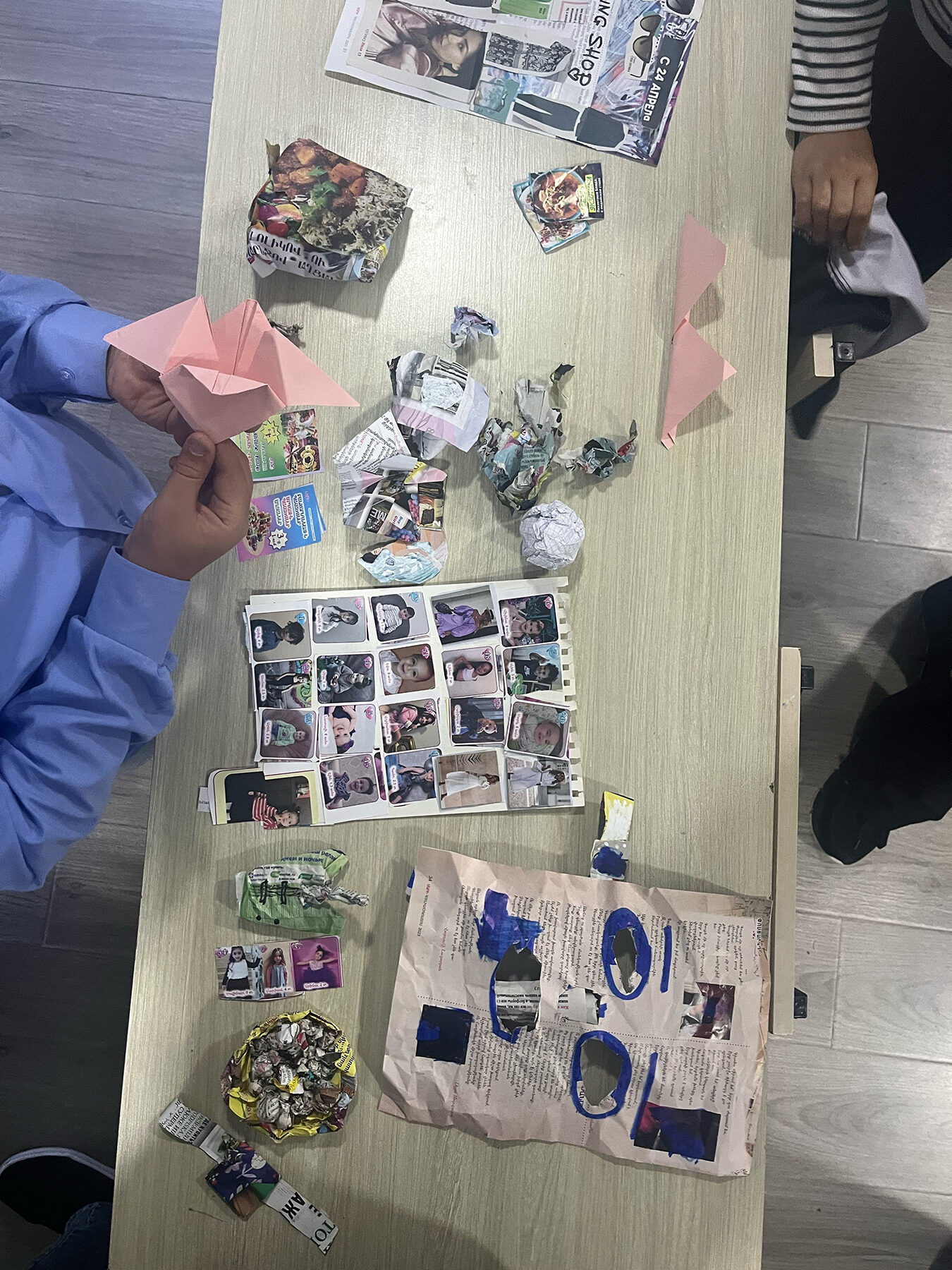
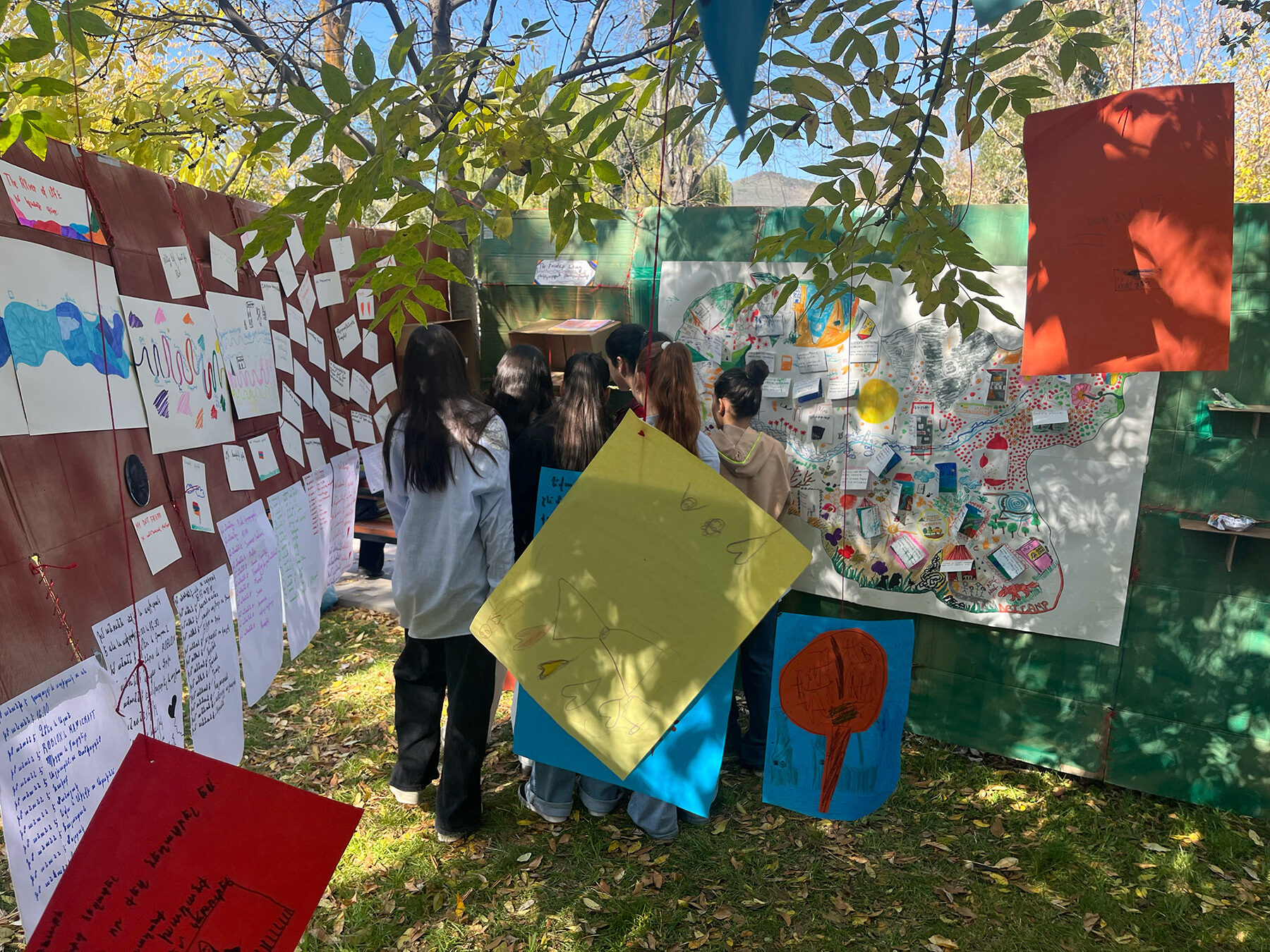
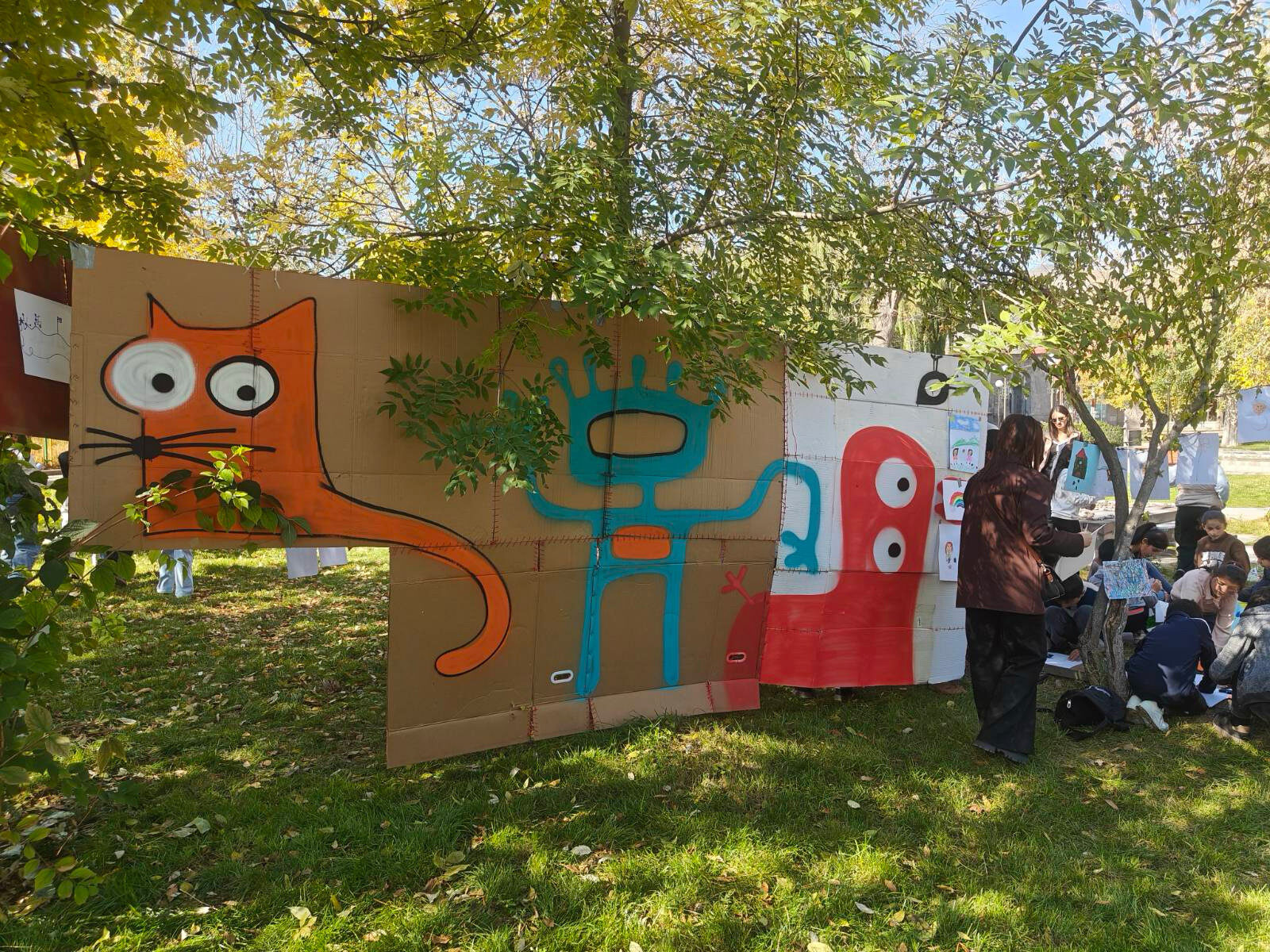
Archaeology has been profoundly malleable as a symbolic exercise. There has been a greater emphasis on archaeology as the recovery of fragments, rather than the whole picture. Archaeology recovers what remains, and is always partial, so the role of the fragment as a clue, as a sign, as a symbol of loss as much as survival, has been powerful.
Christopher Smith: Beyond Metaphor: Archaeology as a Social and Artistic Practice.
Rather than cataloguing material remains, Archaeology in the Presence centers on the intangible: narratives, rituals, shared fears, and aspirations circulating within the community. The project is based on the assumption that art practices can contribute to a more bearable life in border regions and foster imagination of people’s conceptions of the future in a conflict-affected region.
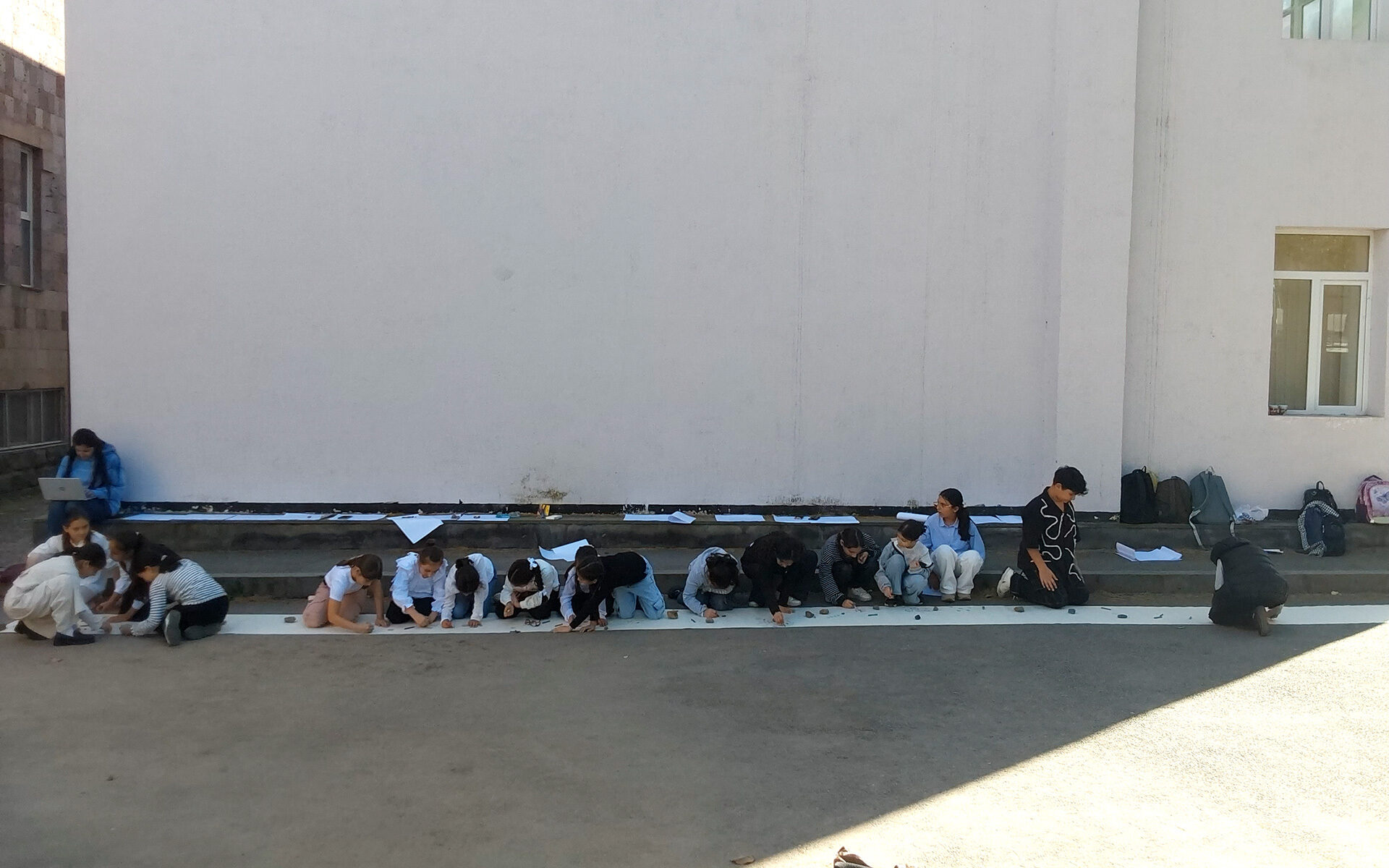
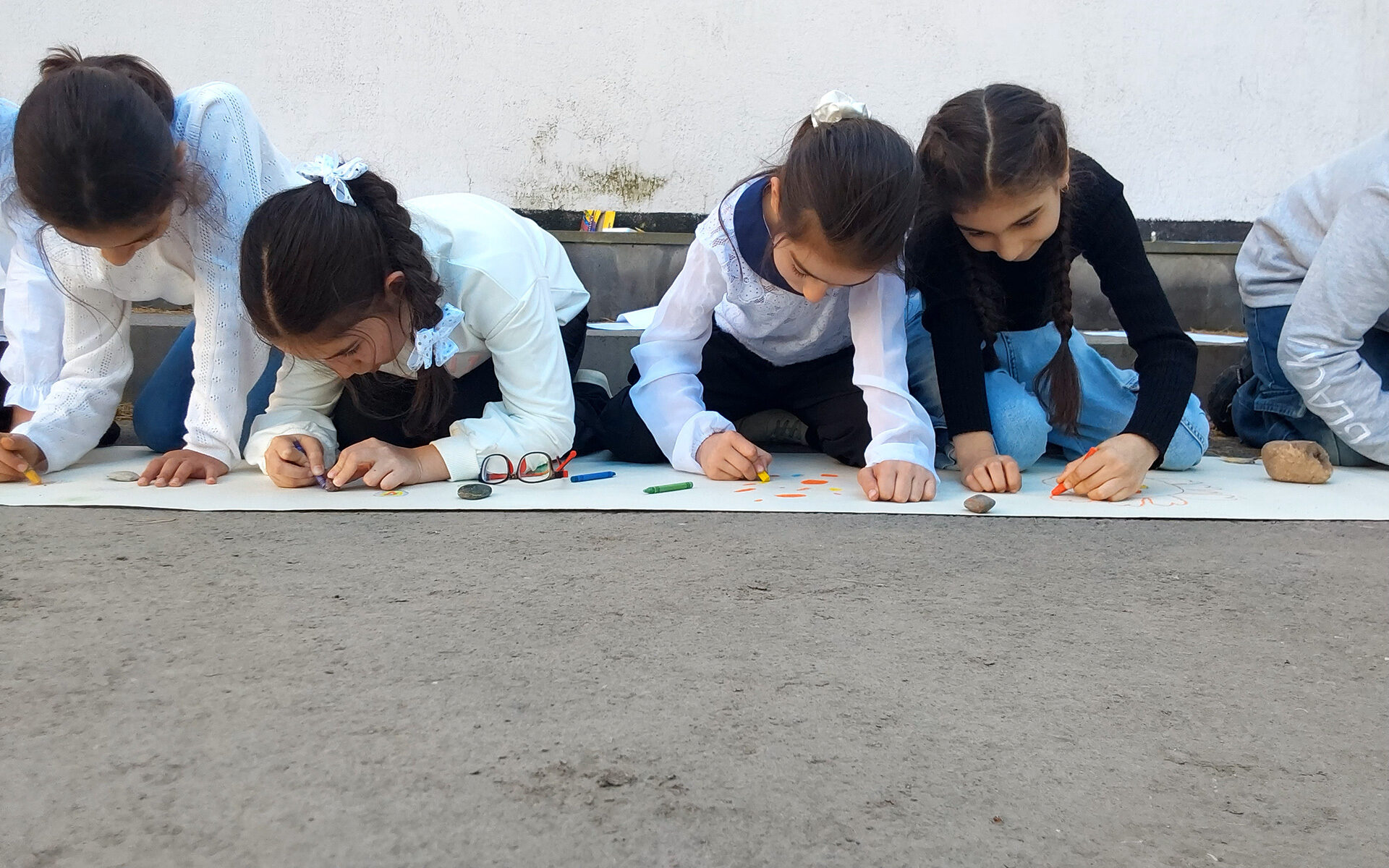
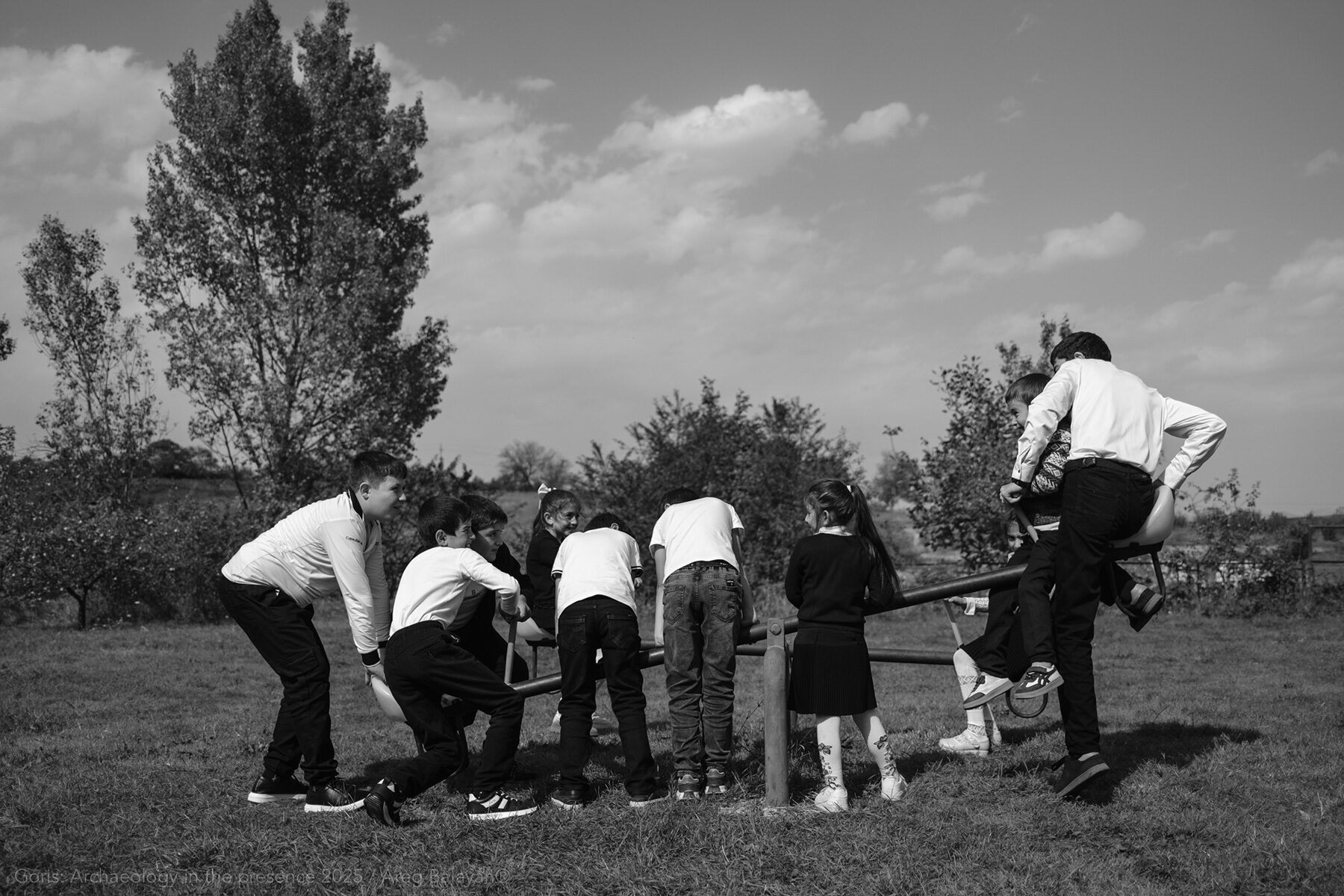
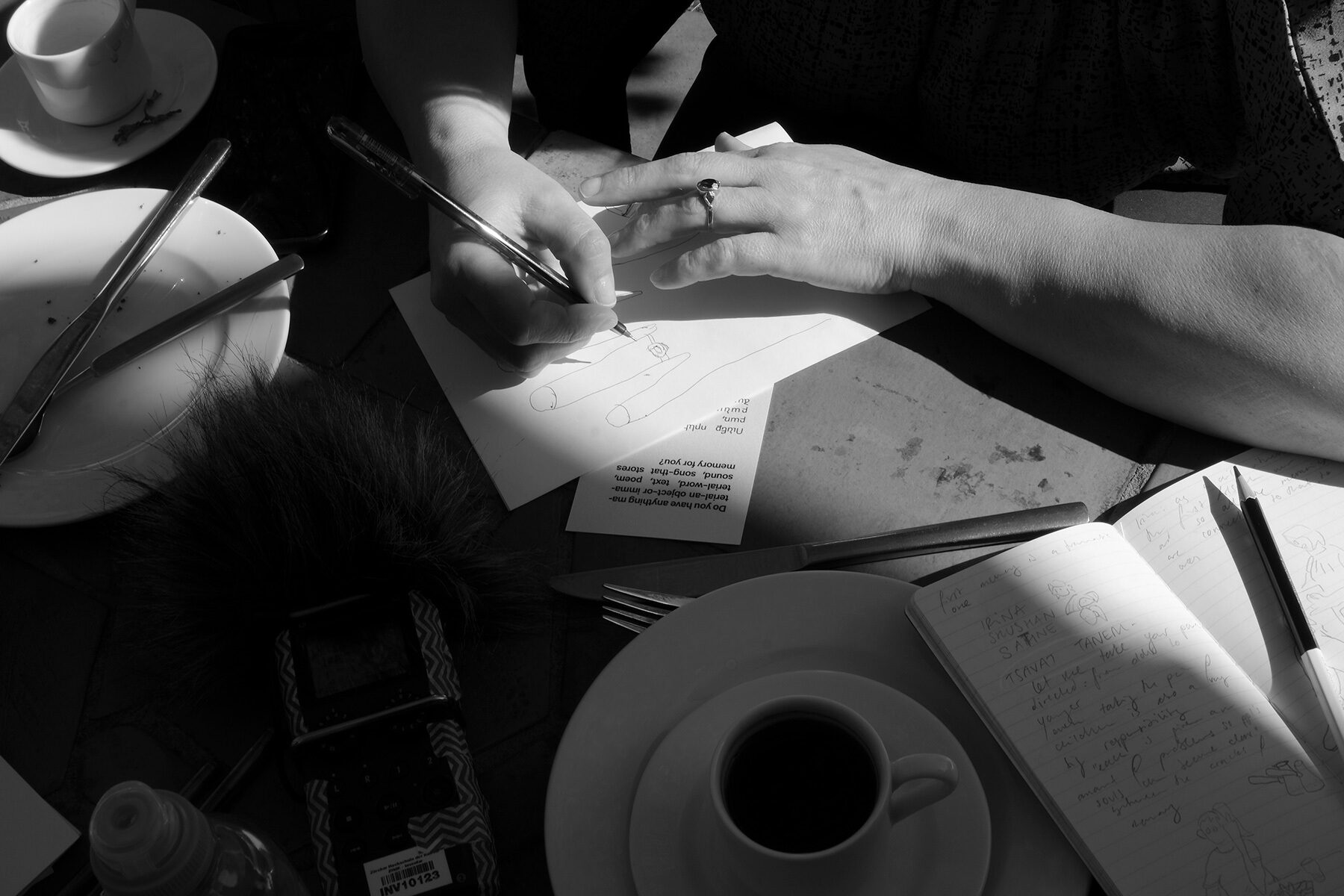
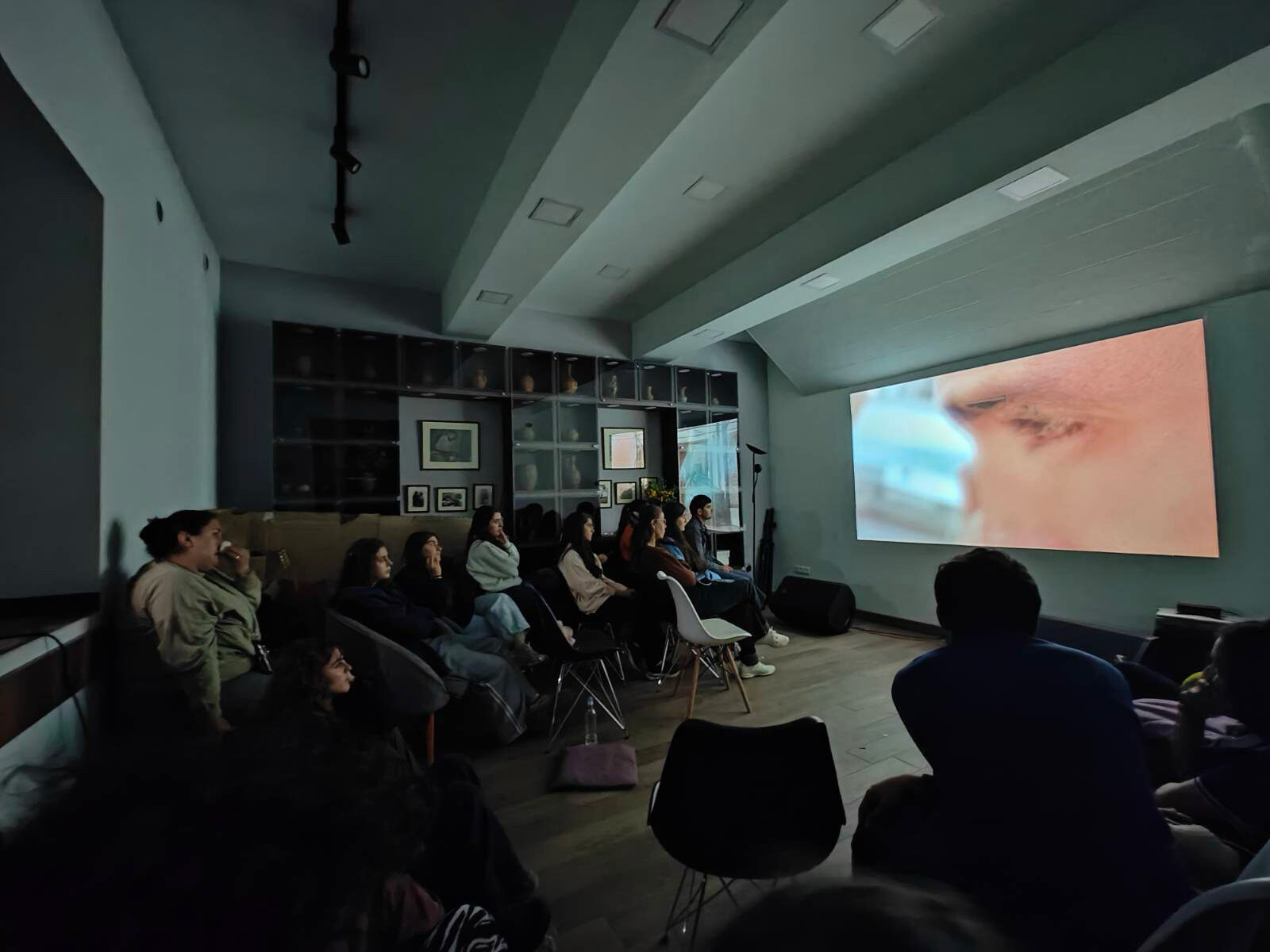
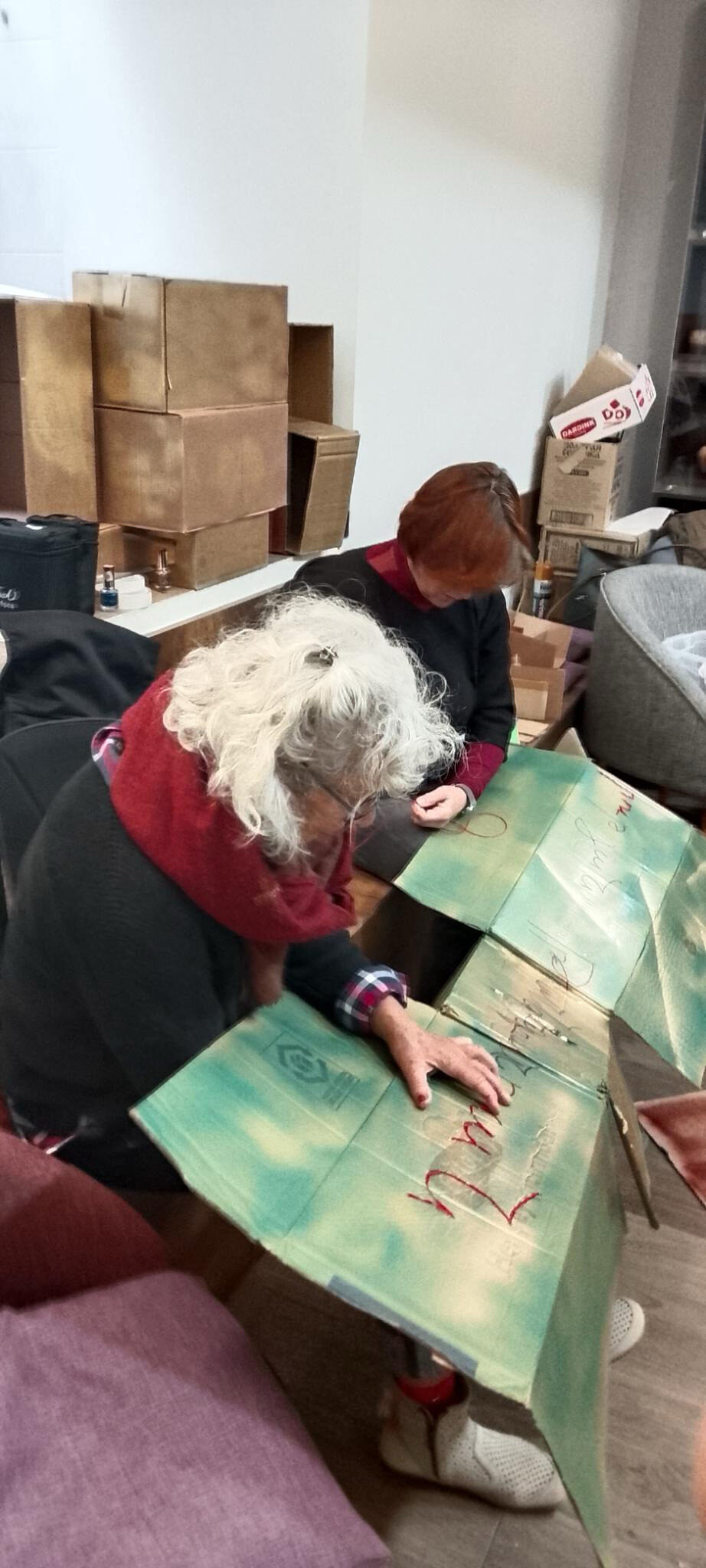
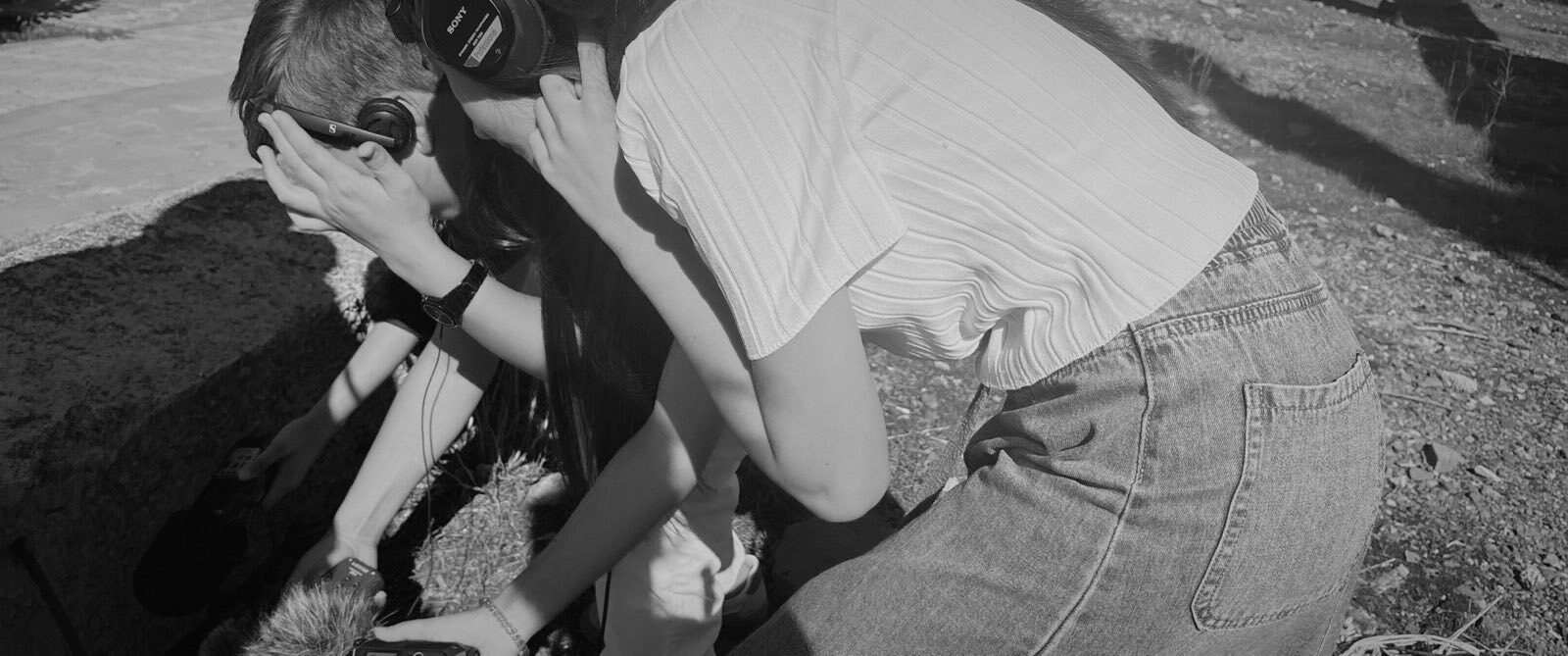
In October 2025, a group of eleven artists from Armenia, Nagorno-Karabakh, Switzerland, Germany, Sri Lanka, Pakistan, and Georgia engaged with local context and different communities and held art workshops, discussion sessions, and dialogue rounds. Throughout the project they collaborated for almost two weeks with different community groups where they developed community-based art practices leading to a celebration: a festival in public spaces showcasing the results of the workshops along with the artists’ reflections developed throughout the project.
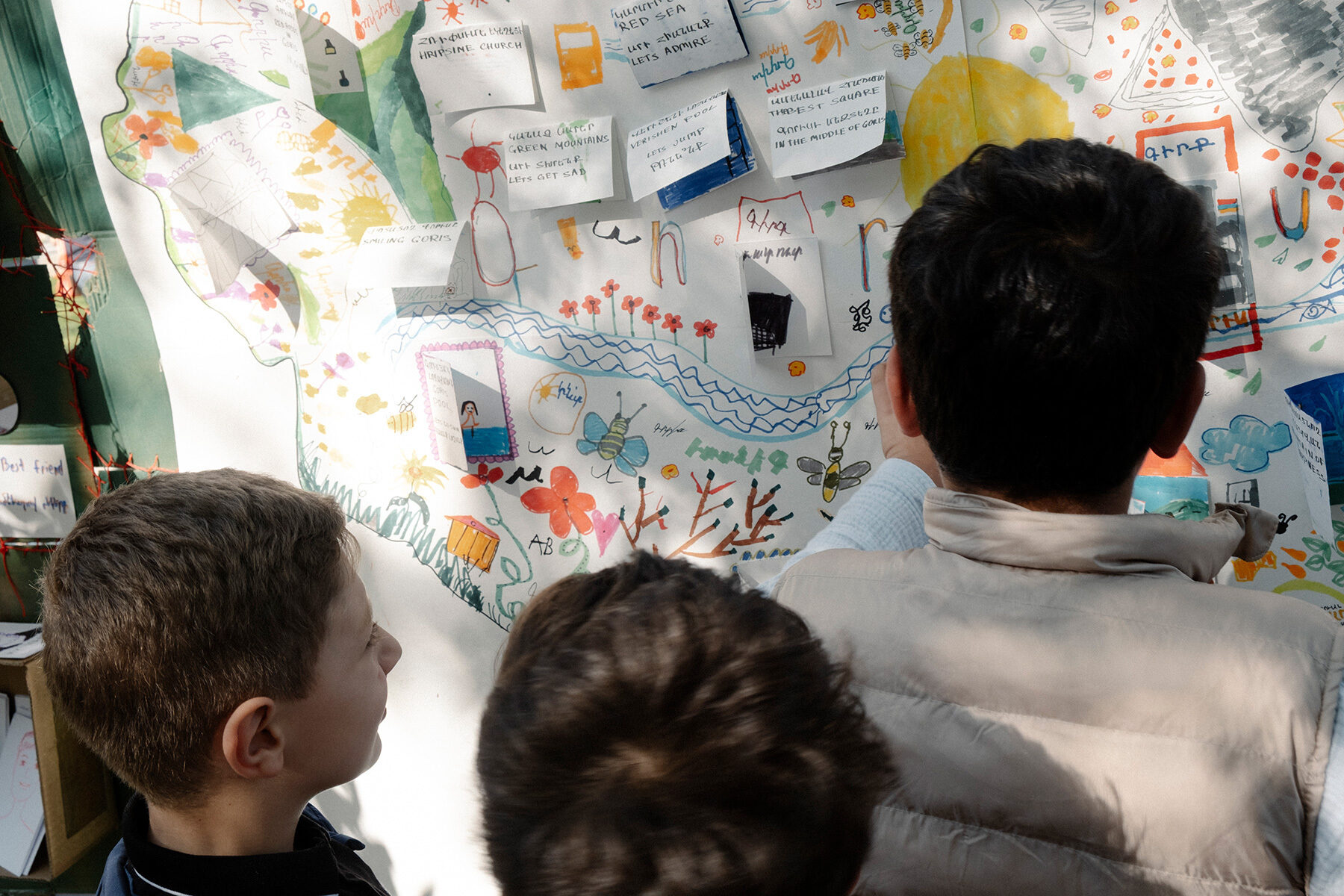
Diverse art forms were explored, including Urban Sketching where streets become not only a path from point A to B but places of existence – a city that we can observe and draw. In photography excursions portraits were taken only after names and stories had been shared, a friendship museum was created from artifacts developed by children; at its centre is a friendship map including both real and imaginary places. Inner-Garten – a visual art project – began with stones that transformed into labyrinths, drawings and animation. Lines was a movement performance, while in Movement and Sounds of Love an artist embodied the stories of many young people that they had shared with her.
Place and Year
Goris, 2025
Artists
Habib Afsar, Asmik Aleksanyan, Eliza Baghdiyan, Areg Balayan, Natia Chikvaidze, Karen Kai Khachatryan, Rada Leu, Anika Krbetschek, Gohar Sargsyan, Bruno Steiner, Piyusha Sumanapala, Essam Nagy
Project Management
Shoghakat Mlke-Galstyan (artasfoundation)
Rana Yazaji (artasfoundation)
Interpreter
Stella Loretsyan
Partner Organisations
Zurich University of the Arts (ZHdK)
Go Language Center, Goris
Mirhav Hotel, Goris
Kids Art Camp, Goris
Art School, Goris
Music School, Goris
Arvestanots, Goris
Bakunts School, Goris
School N5, Goris
In cooperation with the research project Contemporary Art, Popular Culture, and Peacebuilding in Eastern Europe, funded by the Swiss National Science Foundation (SNSF)
Financial Contribution
H.E.M. Stiftung Liechtenstein